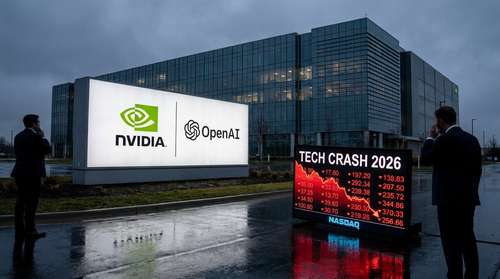

The first quarter of the year has delivered a sobering reality check for Silicon Valley and the broader corporate landscape. Driven by an unrelenting push toward automation, the 2026 tech layoffs have already resulted in over 73,200 eliminated positions across 95 companies. Unlike previous downsizing cycles aimed at correcting pandemic-era overhiring, this wave is fundamentally different. Industry heavyweights are no longer just trimming the fat—they are actively replacing human operational roles with artificial intelligence infrastructure.
Recent data indicates a sharp acceleration in job cuts throughout April. Corporate leadership teams are increasingly making a calculated tradeoff. They are dismantling traditional departments to free up billions in capital, which is then immediately funneled into large language models and next-generation data centers.
Meta and Oracle Drive the Deepest Cuts
The sheer scale of the current tech industry job crisis becomes glaringly apparent when looking at enterprise software and social media giants. Oracle has initiated one of the most aggressive workforce reductions in its corporate history. The Oracle restructuring 2026 strategy involves slashing up to 30,000 jobs worldwide. The company's Indian workforce is bearing the brunt of these changes, with approximately 12,000 positions eliminated in India across cloud, healthcare, sales, and NetSuite divisions.
Oracle's drastic move isn't born of financial distress. The company recently posted a massive profit surge, yet these cuts are designed to fund billions in AI data center debt alongside initiatives like the Stargate supercomputer project. Adding to the tension, reports have surfaced that laid-off Oracle employees face strict ultimatums, reportedly being required to immediately sign digital severance documents via DocuSign to receive any compensation.
Meanwhile, Mark Zuckerberg's empire continues its relentless march toward a leaner operating model. Following earlier reductions in its hardware-focused Reality Labs division, the latest Meta job cuts April 2026 initiative targets engineering and backend operations in Sunnyvale and Burlingame. Insiders suggest Meta could ultimately eliminate up to 16,000 roles this year. The capital saved is being heavily redirected toward automated operational frameworks and generative AI models.
Media Giants Bleed: The Latest Disney Layoffs News
The shockwaves extend well past traditional software corridors. Legacy entertainment conglomerates are feeling intense pressure from Wall Street to modernize their internal infrastructures and reduce operational overhead. In the most recent Disney layoffs news, newly appointed CEO Josh D'Amaro greenlit the elimination of roughly 1,000 positions.
Marvel Studios has been hit particularly hard by this mandate. The powerhouse studio is losing nearly 8% of its staff as it scales back an aggressive production slate in favor of streamlined, digitally assisted workflows. Entertainment companies are realizing that the old model of throwing massive headcounts at production and marketing problems simply cannot compete with the margins of AI-assisted lean teams.
Snap Joins the Contraction
Social media challenger Snap Inc. has also capitulated to the new market reality. The company recently slashed 1,000 jobs, representing roughly 16% of its global workforce. CEO Evan Spiegel was remarkably candid about the reasoning, specifically pointing to advancements in AI as the enabler for automating routine, repetitive work. By eliminating these positions and removing another 300 unfilled roles, Snap expects to save an estimated $500 million annually. To ease the transition, the company offered four months of severance pay and accelerated equity vesting for its domestic workers.
The AI Workforce Impact: The Efficiency Trap
Why is this happening everywhere at exactly the same time? It comes down to the undeniable AI workforce impact. For the first time, artificial intelligence is the primary stated reason for domestic workforce reductions. According to employment trackers, employers officially cited AI for over 15,341 job cuts in March alone, making up a massive 25% of all corporate layoffs that month.
Labor economists are calling this the efficiency trap. Corporations can now post surging profit margins while simultaneously shrinking their payrolls. Machine learning platforms easily handle backend administrative tasks, customer service routing, and even mid-level code generation that previously required dozens of salaried employees. Unfortunately for displaced workers, early tracking suggests those who lose their jobs to automation earn 3% less upon re-employment and face stunted wage growth.
Navigating the Future of Tech Employment
We are witnessing a permanent structural shift in how businesses operate. The future of tech employment will no longer center on mass hiring for baseline coding, marketing, or administrative roles. The days of unlimited hyper-growth and lavishly staffed project teams are definitively over.
Instead, corporate recruitment is becoming hyper-specialized. Companies are aggressively headhunting for experts in machine learning architecture, AI safety, and advanced cloud infrastructure management. Professionals caught in the crossfire face a difficult, but necessary, transition. Thriving in this new era requires continuous upskilling and a willingness to master the very tools that are currently disrupting traditional roles. Lean, automated, and hyper-efficient is the new standard, and the global workforce must adapt to survive.