WASHINGTON — In a historic move to secure the backbone of the artificial intelligence revolution, the United States and Taiwan have finalized a sweeping US-Taiwan semiconductor deal that will see Taiwanese tech giants invest over $250 billion into American manufacturing. The agreement, signed Thursday at the Department of Commerce, marks a pivotal shift in the global technology landscape, designed to accelerate AI infrastructure growth while shielding critical supply chains from geopolitical volatility.
A New Era of AI Supply Chain Security
The bilateral pact, which officials are calling the "Partnership for Next-Generation Resilience," commits Taiwan's leading technology firms to a $250 billion direct investment in US-based facilities over the next five years. In exchange, the United States has agreed to a reciprocal tariff cap of 15% on Taiwanese goods, a long-sought concession that places Taiwan on equal trade footing with key allies like Japan and South Korea.
"This isn't just a trade agreement; it is a firewall for the 21st century," said a senior US Commerce Department official during the signing ceremony. "By bringing advanced chip production to American soil, we are ensuring that the hardware powering the future of AI is built by American workers, securing our technological sovereignty for decades to come."
Breaking Dependence on Overseas Production
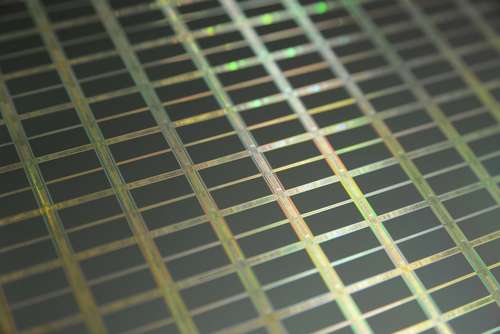
For years, Washington has viewed the concentration of advanced chip manufacturing in East Asia as a national security vulnerability. This deal directly addresses AI supply chain security by incentivizing the relocation of the most sophisticated manufacturing processes—specifically 2-nanometer and A16 technologies—to new industrial hubs in Arizona and Texas. The agreement effectively creates a "silicon shield" around the US AI sector, reducing reliance on cross-Pacific logistics that could be disrupted by regional tensions.
TSMC Leads Major US Investment Push in 2026
Central to the agreement is a massive expansion by Taiwan Semiconductor Manufacturing Co. (TSMC). Under the terms of the TSMC US investment 2026 roadmap, the foundry giant has confirmed plans to construct two additional fabs in Phoenix and expand its footprint by hundreds of acres. This expansion is expected to double its manufacturing capacity in the United States by 2030, specifically targeting the high-performance chips required for training massive AI models.
Industry analysts project that this influx of capital will create over 25,000 direct semiconductor manufacturing jobs and support more than 100,000 ancillary roles in construction, logistics, and engineering. "We are witnessing the re-industrialization of the American West," noted semiconductor analyst Sarah Jenkins. "This deal ensures that the silicon brains behind ChatGPT, Gemini, and future AI systems will carry a 'Made in America' stamp."
Reciprocal Tariffs and Economic Impact
The technology trade agreement offers significant economic incentives for Taiwan beyond the strategic alliance. By capping reciprocal tariffs at 15%—down from rates that often exceeded 20%—Taiwanese exporters gain more competitive access to the US market. The deal also eliminates duties entirely on generic pharmaceuticals and certain aircraft components, further diversifying the economic relationship beyond just silicon.
Furthermore, the agreement includes a unique provision: a $250 billion credit guarantee fund backed by the Taiwanese government. This fund will assist smaller supply chain partners—such as chemical suppliers and equipment manufacturers—in following TSMC to the US, ensuring a complete, self-sustaining ecosystem is built domestically rather than just isolated factories.
Powering the AI Infrastructure Boom
The timing of the deal coincides with an explosive demand for data center hardware. As AI infrastructure growth outpaces current production capacity, the new US-based facilities are expected to come online just as the next generation of AI models requires exponentially more compute power. This alignment of policy and market demand positions the US to lead the next wave of technological innovation.
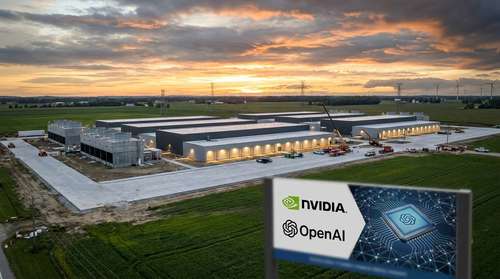
With this landmark agreement, the US and Taiwan have not only solidified their economic bond but have fundamentally reshaped the geopolitics of technology. As excavators break ground on new fabs this month, the message is clear: the future of AI will be designed, powered, and manufactured in America.