WASHINGTON D.C. — Tensions in the Middle East reached a boiling point this weekend as the Trump administration announced a dramatic escalation of its "maximum pressure" campaign against Iran. In a coordinated move following a high-stakes summit with Israeli Prime Minister Benjamin Netanyahu, President Donald Trump has ordered a second aircraft carrier strike group to the Persian Gulf and signaled an aggressive new initiative to cut off Iran's economic lifeline: its oil exports to China.
The aggressive posture comes just days after President Trump and Prime Minister Netanyahu met at the White House on February 11, where sources say they agreed to "go full force" to dismantle Tehran's nuclear ambitions. With the 2026 midterm primary season officially underway, the administration's foreign policy gamble has sparked fierce debate on Capitol Hill, fueling US Iran war rumors and raising the specter of a broader regional conflict.
Choking the Dragon: The Move to Cut Iran-China Oil Trade
The centerpiece of this new escalation is a targeted effort to zero out Iranian oil exports, specifically the illicit trade with Beijing that has kept the Iranian economy afloat. According to senior administration officials, President Trump is preparing to enforce secondary sanctions that could impose punishing 25% tariffs on Chinese entities knowingly facilitating the purchase of Iranian crude.
Data from 2025 reveals that China imported over 57 million tonnes of Iranian oil, accounting for nearly 80% of the regime's total oil exports. These shipments, often disguised through ship-to-ship transfers in waters off Malaysia and Indonesia, have effectively neutralized previous U.S. sanctions. "The days of looking the other way are over," said a senior State Department official briefed on the plan. "If Beijing wants to trade with America, they must stop funding the regime in Tehran. It is that simple."
This ultimatum places the Iran oil exports China trade directly in the crosshairs of U.S.-China relations, potentially opening a new front in the trade war just as the global economy shows signs of stabilizing.
Naval Buildup: A 'Second Armada' Deploys
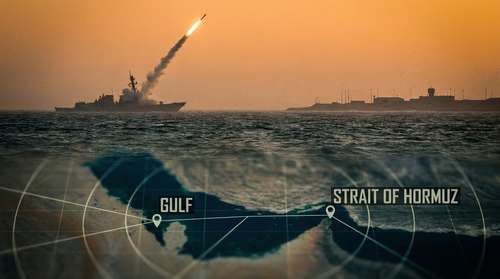
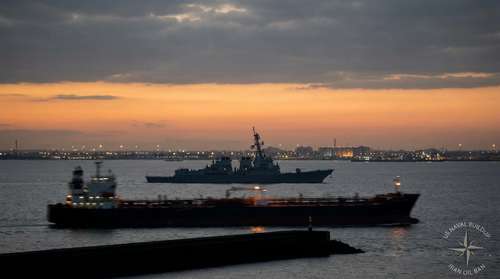
Complementing the economic strangulation is a massive show of military force. The Pentagon confirmed late Saturday that a second U.S. Navy carrier strike group has been ordered to deploy to the Middle East, joining the forces already stationed in the region. This US Navy Middle East buildup represents the most significant concentration of American naval power in the region since the crisis of June 2025.
The deployment serves as a stark reminder of the "June War" of 2025, when U.S. and Israeli forces conducted coordinated strikes against Iranian nuclear facilities at Fordow and Natanz. While President Trump declared at the time that Iran's nuclear capabilities were "obliterated," recent satellite imagery suggests renewed activity at key sites, prompting this renewed show of force.
"We are not looking for war, but we are prepared to finish what we started if Tehran chooses the path of escalation," President Trump told reporters at Mar-a-Lago, emphasizing that the military option remains "fully on the table."
Last Chance in Geneva: Diplomacy on the Brink
Despite the drumbeat of war, a slender diplomatic channel remains open. The Swiss Foreign Ministry has confirmed that Geneva nuclear negotiations are scheduled to resume next week, mediated by Omani officials. However, expectations for a breakthrough are historically low.
The 'Zero Chance' Deal
Privately, U.S. officials are skeptical that the Geneva talks will yield results. One senior aide described the chance of a new deal as "near zero," citing Iran's refusal to discuss its ballistic missile program—a key demand of the Trump Netanyahu Iran strategy. The Trump administration is insisting on a "comprehensive deal" that addresses not just nuclear enrichment, but also missile development and support for proxy groups.
Tehran, for its part, has signaled defiance. Iranian President Masoud Pezeshkian, facing internal unrest and a crumbling economy, warned that Iran would "never surrender to bullying" and threatened to close the Strait of Hormuz if its oil exports were completely blocked.
2026 Midterm Foreign Policy: A Political Firestorm
The escalation has immediately become a defining issue of the 2026 midterm foreign policy debate. Isolationist factions within the GOP have expressed unease at the prospect of another "forever war," while Democrats are accusing the President of manufacturing a crisis to influence the upcoming primaries.
"The American people do not want another war in the Middle East," said Senate Minority Leader Chuck Schumer. "We need a strategy that contains Iran without dragging our military into a conflict that could spiral out of control."
Conversely, hawks argue that the Trump Iran sanctions 2026 roadmap is the only way to ensure national security without committing ground troops. As the rhetoric heats up, the coming weeks in Geneva and the Persian Gulf will likely determine whether the region heads toward a tenuous deal or a devastating conflict.