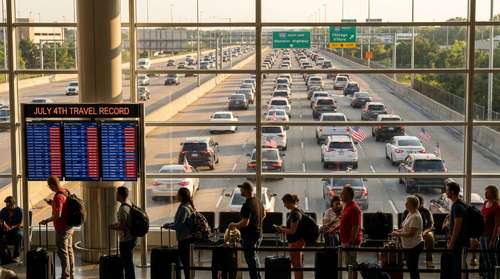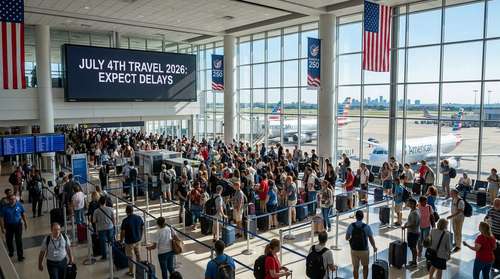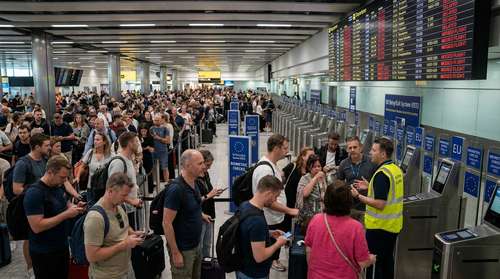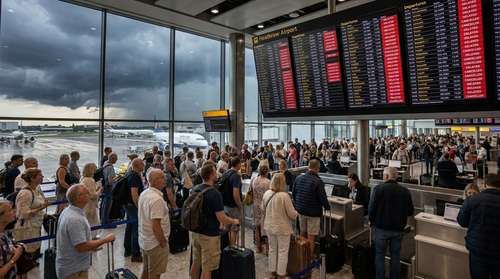
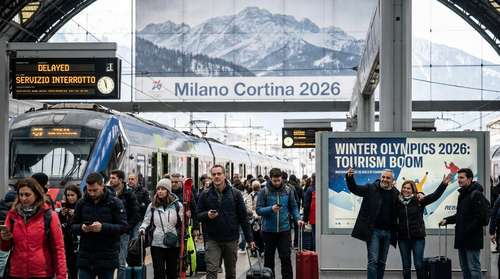
MILAN — As the 2026 Winter Olympics enter their high-stakes final week, Northern Italy is navigating a precarious split-screen reality. On one side, a historic tourism surge has defied all expectations, with hotel occupancy in Milan hitting 85% and flight bookings up 160% compared to 2025. On the other, the region’s transit infrastructure is under siege—not just from crowds, but from deliberate acts of sabotage that have snarled the high-speed rail network just as the Games hit their peak.
For the thousands of fans currently navigating the 250-mile stretch between Milan’s urban ice arenas and Cortina’s alpine slopes, the "dispersed games" model is proving to be a brilliant economic engine but a logistical tightrope. While the International Olympic Committee’s experiment in multi-city hosting is successfully spreading wealth to forgotten corners of the Dolomites, it is also exposing the fragility of the transit arteries that connect them.
The "Dispersed Model" Pays Off: Wealth Spreads Beyond Milan
The most ambitious gamble of the Milano-Cortina 2026 organizers—spreading events across a massive geographic footprint—appears to be delivering the promised economic dividend. Unlike past Olympics where tourism dollars were siloed in a single host city, the 2026 Games have triggered a regional wealth redistribution that is revitalizing smaller communities across Lombardy and Veneto.
New data released this week confirms that the benefits are spilling over well beyond the host venues. While Milan is commanding average daily rates (ADR) up 64% year-over-year, smaller alpine towns are seeing their own quiet boom. The “Olympic spillover” is projected to bring over 21 million visitors to Italy’s smaller municipalities throughout 2026, forcing a re-evaluation of rural tourism potential.
“We are seeing a structural shift,” says a spokesperson for the Veneto regional tourism board. “Visitors aren’t just coming for the events; they are booking prolonged stays in towns that usually see zero winter traffic. The dispersed model has effectively turned the entire region into a mega-resort.”
Rail Sabotage and Strike Threats Test Resilience
However, the smooth flow of this dispersed tourism wealth hit a violent snag over the weekend. In a developing story that has overshadowed the sporting events, Italian authorities confirmed that recent delays on the high-speed lines near Bologna and Pesaro were caused by “deliberate acts of sabotage.”
Arson attacks on electrical cabins and severed cables have caused cascading delays of up to 150 minutes on the critical Milan-Rome and Venice-Bologna arteries. The attacks, which investigators are linking to anarchist groups protesting the Games, have turned the logistical challenge of moving fans between venues into a security nightmare. For a Games predicated on rail connectivity rather than new road construction, these disruptions strike at the very heart of the sustainability pledge.
Travelers did catch one lucky break this week: a massive 24-hour aviation strike planned for February 16 was postponed at the eleventh hour by government decree. The strike, now rescheduled for February 26, would have grounded flights during the peak arrival window for the closing ceremonies. However, a separate rail strike remains a threat for February 27, leaving many visitors scrambling to finalize their departure plans.
Viral Moments: Pasta, Backflips, and "Curling Babies"
Despite the travel headaches, the mood on the ground remains buoyant, fueled by a series of viral moments that have captured the global imagination. Inside the Olympic Village, the breakout star isn’t an athlete but a dish: Chef Carlo Cracco’s “Olympic Rings Pasta.” The bespoke culinary creation has taken over TikTok, with athletes sharing videos of the interlocking pasta rings, turning a carb-loading necessity into a cultural flex.
On the ice, history was made—and instantly shared—when Ilia Malinin landed a backflip during his routine, a move that was banned for decades. The clip garnered millions of views within hours, injecting a dose of adrenaline into the figure skating conversation. Meanwhile, the unofficial mascot of the Games has become the son of Italian speed skater Francesca Lollobrigida. The toddler, dubbed the “Curling Baby” by social media, stole the show during a live interview, charming a global audience and softening the edge of the intense competition.
Navigating the Final Week: A Traveler’s Survival Guide
For those arriving for the final days of competition, the advice from local experts is clear: build buffers into your itinerary. The high-speed Frecciarossa trains remain the best way to travel, but the recent sabotage incidents mean that tight connections are a risk.
“If you are heading to Cortina or Livigno for the final ski events, do not rely on the last train of the night,” advises a travel coordinator at Milan Central Station. “The system is moving record numbers of people while under immense pressure. Patience is the only accessory you absolutely need to pack.”
As the flame prepares to move to the Verona Arena for the closing ceremony, Milano-Cortina 2026 has already secured its legacy. It will be remembered as the Games that proved a region could host the world—if it can just keep the trains running.