February 17, 2026 – A critical funding lapse for the Department of Homeland Security (DHS) has plunged U.S. airports into uncertainty just weeks before the peak spring break travel season. With the DHS appropriations bill expiring at midnight on Friday, February 13, thousands of Transportation Security Administration (TSA) officers are now working without pay, raising alarms about potential mass sickouts and security checkpoint closures. Travel industry leaders warn that this standoff could not come at a worse time, threatening to cripple the nation's aviation infrastructure mere months before the 2026 FIFA World Cup and America’s 250th anniversary celebrations.
DHS Funding Lapse Leaves TSA Unpaid
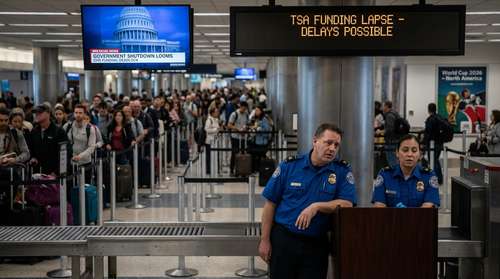
As the political stalemate in Washington enters its fourth day, the operational reality at the nation's airports is becoming increasingly precarious. While the TSA is deemed an essential agency, meaning its uniformed officers are required to report for duty during a government shutdown, they will not receive their scheduled paychecks until Congress passes a funding measure. This scenario mirrors the devastating 35-day shutdown of 2018-2019, where financial hardship led to a wave of "blue flu" sickouts that closed terminals at major hubs like Miami and Houston.
"We are asking people to work high-stress jobs on the front lines of national security while wondering how they will pay their mortgage next week," said a representative for the TSA workers' union. "Morale is plummeting fast, and the system cannot sustain this pressure for long." Reports from major transit hubs indicate that while wait times remain manageable for now, absenteeism is expected to spike if the lapse extends into the weekend, potentially triggering a cascade of delays across the network.
Spring Break Travel Delays 2026 Scenario
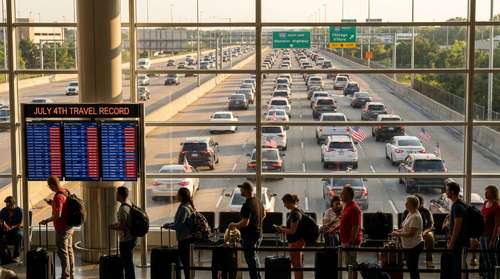
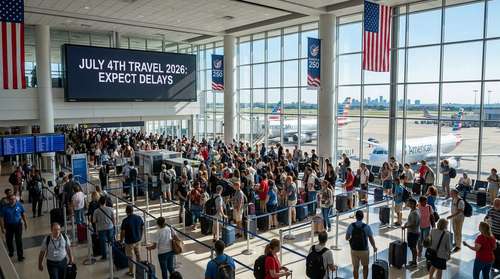
The timing of this funding crisis is catastrophic for the travel industry. March typically marks the beginning of the spring break rush, where passenger volumes frequently exceed 2.5 million daily travelers. Airlines for America and the U.S. Travel Association have issued urgent pleas to Congress, noting that a depleted TSA workforce could lead to wait times exceeding four hours at busy airports such as Atlanta Hartsfield-Jackson (ATL), Los Angeles International (LAX), and Orlando International (MCO).
The "Blue Flu" Risk
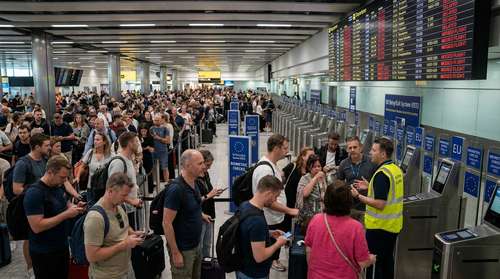
During previous shutdowns, unscheduled absences among screeners forced airport authorities to consolidate checkpoints, creating bottlenecks that caused thousands of missed flights. Analysts predict that with the cost of living significantly higher in 2026 than in previous shutdown years, the financial breaking point for officers will arrive much sooner. "If this isn't resolved by Friday, we could see a repeat of the 2019 operational disruptions, but with higher passenger loads," warned an aviation analyst. "Spring break travelers should prepare for the worst."
2026 World Cup Travel Warnings and Long-Term Impact
Beyond the immediate chaos of spring break, the current instability casts a long shadow over the United States' readiness to host the FIFA World Cup, set to kick off in June 2026. With matches scheduled in 11 U.S. cities including New York/New Jersey, Dallas, and Seattle, the tournament is expected to draw millions of international visitors. The DHS funding lapse is already affecting preparatory work, including the processing of special event visas and the finalization of security protocols for fan zones.
International observers are expressing concern that a dysfunctional entry process could mar the tournament. The surge in ESTA applications reported earlier this year highlighted the massive global interest in the event. However, if Customs and Border Protection (CBP) officers—who fall under the same unfunded DHS umbrella—face similar pay disruptions, the entry experience for international fans could become a logistical nightmare. "We are inviting the world to our doorstep for the biggest sporting event in history and our 250th birthday," said a spokesperson for the Global Business Travel Association. "Greeting them with closed checkpoints and picket lines is not an option."
What Travelers Need to Know Right Now
For those with flights scheduled in late February 2026, experts recommend taking proactive steps to mitigate the impact of the TSA funding crisis. The situation is fluid, but the following precautions are advised:
- Arrive Earlier than Usual: The standard two-hour rule is no longer safe. Aim for three hours for domestic and four for international flights.
- Monitor TSA Wait Times: Use the MyTSA app to check real-time wait estimates, though be aware that sudden sickouts can cause lines to swell unexpectedly.
- Pack Patience: Frontline officers are working without pay. kindness can go a long way in a tense environment.
- Check Status of PreCheck: In past shutdowns, expedited screening lanes were sometimes closed due to staffing shortages.
As negotiations continue on Capitol Hill, the clock is ticking for the U.S. travel sector. With the twin titans of Spring Break and the World Cup looming, the cost of inaction grows by the hour.