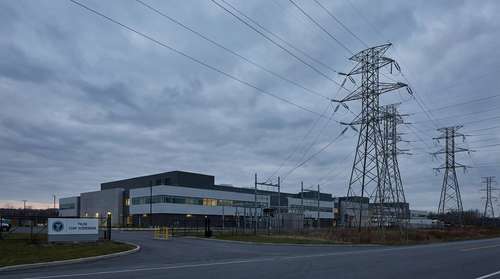
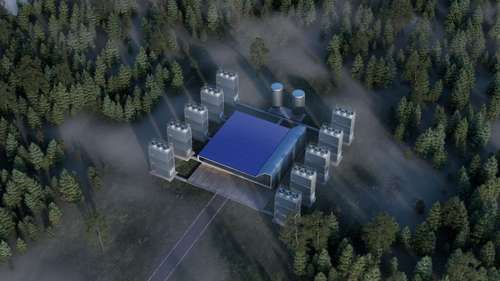
In a landmark move on Tuesday, Microsoft unveiled a sweeping "Community-First AI Infrastructure" framework, pledging to fundamentally overhaul how it builds and operates its massive Microsoft AI data centers. The announcement, delivered by Microsoft President Brad Smith in Washington, D.C., comes as a direct response to growing public outrage and political pressure regarding the strain artificial intelligence infrastructure places on local resources.
As the race for AI dominance accelerates, communities across America have voiced increasing frustration over skyrocketing utility bills and dwindling water supplies. Addressing these concerns head-on, Smith outlined a comprehensive Microsoft five promises framework designed to ensure the tech giant pays its fair share. "We are not asking taxpayers to subsidize our electricity expenses," Smith declared, marking a significant pivot in the industry's approach to AI environmental sustainability.
The Electricity Pledge: Ending Higher Bills for Locals
The most significant pillar of the new framework is the Microsoft electricity promise. For years, residents in data center hubs like Northern Virginia and Arizona have seen their electricity rates climb as utilities struggle to upgrade grids to meet the voracious energy demands of AI servers. Under the new pledge, Microsoft commits to paying significantly higher electricity rates that cover the full cost of the infrastructure required to power its facilities.
Specifically, the company stated it will ask public utility commissions to set special rate structures for its data centers. This ensures that the massive capital required for grid modernization is funded entirely by the tech giant, rather than being passed down to residential ratepayers. With analysts projecting data center energy costs 2026 to reach record highs, this commitment aims to insulate American families from the financial shockwaves of the AI boom.
Influence from the White House
The announcement follows explicit pressure from President Donald Trump, who took to Truth Social on Monday to demand that tech companies "pay their own way." Trump's administration has made energy affordability a key platform, and Microsoft's swift action positions it as the first major player to align with this new regulatory expectation. The framework is expected to set a precedent for other hyperscalers like Amazon and Google.
Water Replenishment and Environmental Stewardship
Beyond energy, the framework addresses the critical issue of data center water usage. AI cooling systems consume millions of gallons of water daily, a fact that has sparked protests in drought-stricken regions. In its second promise, Microsoft vowed not only to minimize its water footprint but to become "water positive."
This means the company will replenish more water into local community sources than it consumes. Microsoft plans to achieve this by investing in local water infrastructure projects, such as repairing aging municipal pipes to prevent leaks and funding watershed restoration efforts. By turning its facilities into net contributors to the local water supply, the company hopes to quell environmental criticisms and secure the long-term viability of its operations in arid climates.
Economic Commitments: Jobs and Taxes
The third and fourth promises focus on the direct economic impact on host communities. Historically, tech companies have courted local governments for massive property tax breaks and subsidies in exchange for building facilities. Microsoft is officially ending this practice under the new Brad Smith AI announcement.
Moving forward, the company pledged to reject local property tax abatements, ensuring that its presence contributes fully to the local tax base. This revenue is vital for funding public schools, emergency services, and infrastructure maintenance. Furthermore, Microsoft promised to prioritize local hiring for both construction and ongoing operations, partnering with unions to train residents for these high-skilled positions. This shift aims to transform data centers from walled gardens into genuine economic engines for their neighbors.
Investing in the Future: AI Education
The final pillar of the framework is a commitment to community enrichment through education. Microsoft promised to invest in local AI training programs, equipping students, small business owners, and workers with the skills needed to thrive in an AI-driven economy. By partnering with community colleges and K-12 schools, the company intends to democratize access to the technology that its data centers support.
As the industry watches closely, the success of these five promises will likely determine the future regulatory landscape for big tech. If Microsoft can successfully execute this strategy, it may quell the public fury that has threatened to stall the rapid expansion of American AI infrastructure.