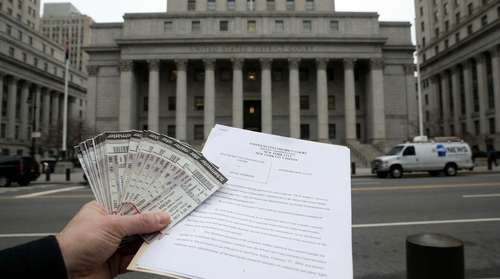
Live music fans have long suspected the system is rigged against them, and now a federal jury agrees. On April 15, 2026, a Manhattan jury delivered a historic Ticketmaster antitrust verdict, declaring that Live Nation Entertainment has been operating an illegal monopoly over the U.S. concert industry. The decision caps a fierce five-week trial that exposed the inner workings of the ticketing giant. By systematically stifling competition and leveraging its dominance, the Live Nation monopoly successfully forced venues into exclusivity agreements while artificially inflating concert ticket fees.
The Federal Ticketmaster Antitrust Verdict Explained
After four days of deliberation, the nine-member jury reached a sweeping conclusion: Ticketmaster and its parent company hold an unchecked grip on live entertainment. The lawsuit against Live Nation was originally launched in May 2024 by the Department of Justice and a coalition of 40 state attorneys general.
While the DOJ reached a tentative settlement with the Beverly Hills-based company in early March 2026—a deal that included a $280 million fund, capped service fees at certain amphitheaters, and forced the divestment of 13 exclusive booking agreements—more than 30 states decided the federal concessions were entirely insufficient. They viewed the agreement as a minor speed bump for a company actively suppressing market competition.
Led by New York Attorney General Letitia James and Pennsylvania Attorney General Dave Sunday, the remaining coalition pushed forward to trial. Their argument hinged on exposing a ticketing monopoly that controls roughly 86 percent of the market for major concert venues. The strategy paid off. Jurors found the corporation liable on all monopolization counts, marking one of the most significant moments in U.S. concert industry news this decade.
Inside the Live Nation Lawsuit: "Robbing Them Blind"
The five-week proceedings served as a backstage pass into the aggressive corporate tactics utilized by the live events behemoth. One of the most damaging pieces of evidence presented by plaintiff attorney Jeffrey Kessler came in the form of internal company Slack messages. According to testimony, Live Nation executives mocked customers as "stupid" and explicitly joked about "robbing them blind".
Live Nation CEO Michael Rapino also faced intense scrutiny on the witness stand, particularly regarding the infamous 2022 Taylor Swift Eras Tour ticketing debacle. While Rapino blamed technical failures and cyberattacks for the platform crashing, the plaintiffs used the incident to highlight what happens when fans have no alternative purchasing options. Furthermore, venue operators, including the former chief executive of the Barclays Center's parent company, testified that Rapino threatened to divert major concerts if they refused to use Ticketmaster as their exclusive ticketing service.
How the Ticketing Monopoly Inflated Concert Ticket Fees
For the average concertgoer, the most tangible impact of this Ticketmaster monopoly ruling comes down to the checkout screen. The jury calculated exactly how much the company's lack of competition cost the public, determining that Ticketmaster overcharged fans an average of $1.72 per ticket at major venues across 22 states.
While a dollar and change might seem minor on a single purchase, multiplying that figure by tens of millions of tickets sold annually reveals a massive financial burden on consumers. Independent venue owners and fans alike have long criticized the opaque fees attached to live events. The states successfully demonstrated that without alternative promoters or rival ticketing platforms like Eventbrite or AXS operating freely, the company possessed absolute authority to dictate prices and impose arbitrary service charges. Because Live Nation functions simultaneously as a venue operator, tour promoter, and ticket vendor, its integrated model effectively froze out independent competitors. Following the announcement, Live Nation's stock dropped roughly 6 percent, while competitors like Vivid Seats and StubHub saw immediate market surges.
What's Next: Will Fans See Lower Prices?
Despite the definitive courtroom loss, music fans shouldn't expect immediate relief at the digital box office. The Ticketmaster monopoly ruling is just the first major domino to fall. U.S. District Court Judge Arun Subramanian will now preside over a separate bench trial to determine specific financial penalties and structural remedies.
The upcoming remedy phase could radically transform the entertainment landscape. State attorneys are expected to push for severe consequences, including the potential forced divestiture of Ticketmaster from Live Nation—effectively breaking up the 2010 merger. Other potential outcomes include mandatory sales of company-owned amphitheaters or strict limits preventing Live Nation from promoting more than 50 percent of any given artist's tour.
Live Nation released a statement Wednesday making it clear they intend to fight the outcome. "The game is not over by any means," said company lawyer Dan Wall. The corporation plans to renew its motion for judgment as a matter of law and vigorously appeal the decision. For now, independent venues and millions of music fans are watching the docket closely, hoping this landmark federal decision ultimately dismantles the stranglehold on live entertainment and ushers in a new era of competitive, fair pricing.