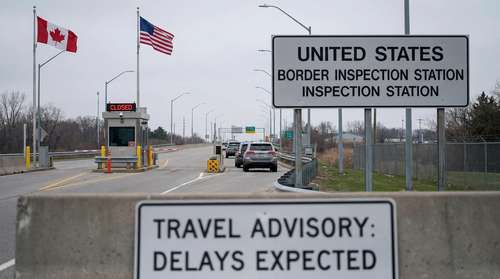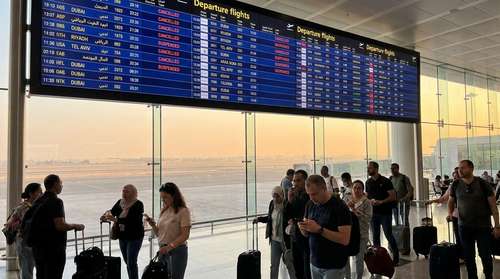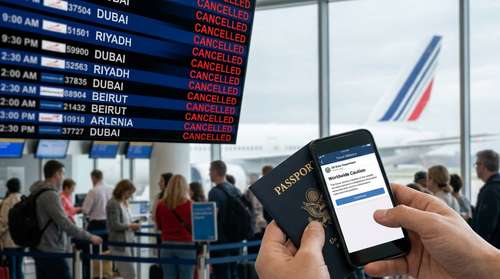
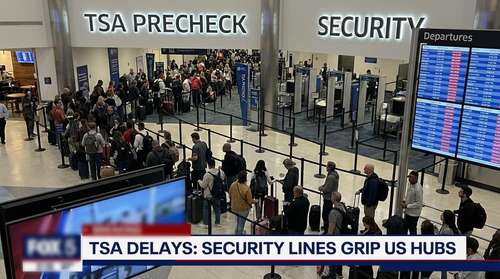
Travelers arriving at major American hubs this weekend were met with an unprecedented crisis, as TSA airport delays today stretched into the four-hour mark. A bitter political stalemate over Department of Homeland Security (DHS) funding has pushed federal screening operations to the brink just as peak seasonal travel begins. With tens of thousands of transportation security officers working without pay since mid-February, the cascading effects of massive walkouts are forcing airlines to issue urgent warnings to passengers nationwide.
The DHS Shutdown Travel Impact Reaches a Breaking Point
The core of the aviation chaos stems from the partial government shutdown that began on February 14, 2026. Lawmakers remain completely deadlocked over budgetary allocations for Immigration and Customs Enforcement (ICE) and Customs and Border Protection (CBP). Late Friday evening, House Speaker Mike Johnson successfully advanced a 60-day continuing resolution (passing 213 to 203) designed to fund the entirety of the DHS.
However, Senate Minority Leader Chuck Schumer swiftly declared the House measure "dead on arrival". Senators had previously passed their own bipartisan bill in a rare 2 a.m. Friday vote that would fully fund the TSA and Coast Guard while deliberately excluding ICE removal operations. Because the House refused to take up the Senate's version before lawmakers departed Washington for a two-week recess, the DHS shutdown travel impact has now manifested visibly across terminal floors.
Unpaid security personnel are bearing the brunt of this legislative gridlock. To keep checkpoints barely functional, the Trump administration took the extraordinary step of deploying ICE personnel to commercial airports. These agents are currently assisting with non-screening duties such as crowd control and ID verification, allowing the few remaining trained TSA officers to focus entirely on operating X-ray machines and body scanners.
Record-Breaking US Airport Security Lines
The visual reality at the nation's busiest transit centers has been staggering over the last 48 hours. At Hartsfield-Jackson Atlanta International Airport (ATL), US airport security lines have consistently spilled out of the domestic terminal, trailing into open-air parking structures. Local airport authorities have even suspended their real-time wait monitors because conditions are deteriorating too rapidly to provide accurate updates.
Houston's George Bush Intercontinental Airport (IAH) experienced similar gridlock, with wait times routinely hitting the three-hour mark. In a surreal twist at IAH, deployed ICE agents were seen handing out bottled water to exhausted travelers stranded in endless terminal queues. Other major facilities, including Los Angeles International (LAX) and LaGuardia (LGA), have had to dramatically restrict checkpoint access, funneling thousands of passengers through just a handful of open security lanes.
The Escalating TSA Staffing Shortage
You cannot operate a modern aviation network without a fully staffed and compensated security apparatus. The ongoing TSA staffing shortage is the direct result of officers facing an impossible financial burden. According to the latest agency data, over 450 TSA officers have resigned entirely since the shutdown commenced six weeks ago.
Absenteeism has simultaneously spiked to critical levels. Call-out rates hovered around 38% in Atlanta this weekend, while Houston Hobby saw a staggering 55% of its security staff call out on a single day. For the nearly 50,000 agents still showing up, the financial toll of missed rent and car payments has devastated morale.
Flight Disruptions US 2026: Surviving the Spring Rush
If you are actively monitoring Spring Break 2026 travel news, the operational advice from airlines has drastically shifted. Aviation authorities are pleading with domestic passengers to arrive at least four—and sometimes up to five—hours prior to their scheduled departure.
Even trusted traveler programs are feeling the operational squeeze. Frequent flyers accustomed to breezing through checkpoints are finding that PreCheck and CLEAR lanes are frequently consolidated or temporarily closed due to bare-bones staffing. The ripple effect has triggered widespread flight disruptions US 2026. Thousands of passengers have missed connections or initial departures simply because they were trapped in the security labyrinth. While major carriers are waiving rebooking fees for affected passengers, securing an open seat on a later flight is remarkably difficult during the heavy spring vacation window.
- Arrive Exceptionally Early: Target a minimum of four hours before domestic departures.
- Pack Strategically: Avoid bringing complex carry-on items that require manual bag checks, as this slows down the already crippled line.
- Check Airline Apps: Rely on direct carrier communications rather than airport displays for the most accurate departure times.
Will New Airport Travel Alerts End the Chaos?
Relief may finally be on the horizon, though the logistical hurdles remain complex. In response to the intensifying public backlash, the White House issued a presidential memorandum late Friday directing immediate backpay for the screening workforce. DHS Secretary Markwayne Mullin confirmed that emergency payroll processing was expedited over the weekend, with the primary goal of delivering paychecks to TSA agents as early as Monday, March 30.
Whether this rapid financial patch will immediately reverse the high call-out rates remains to be seen. Industry experts caution that replacing the hundreds of officers who have already permanently resigned will take months of recruiting, background checks, and specialized training. Travelers should continue to monitor local airport travel alerts and confirm terminal conditions directly with their airlines before leaving for the airport. Until Congress passes a comprehensive, long-term funding package, navigating a US departure gate will require extreme patience and strategic preparation.