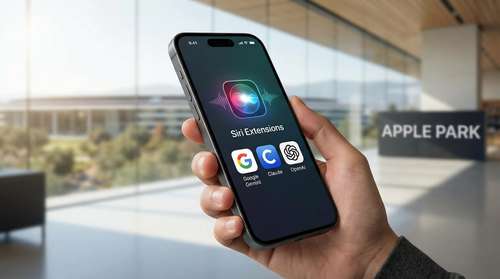
Apple is preparing a seismic shift for its mobile ecosystem that will fundamentally alter how users interact with artificial intelligence. With the highly anticipated iOS 27 Siri update, the tech giant is reportedly moving away from its exclusive reliance on ChatGPT, opening the doors to a diverse lineup of competing AI assistants. According to recent industry leaks and reports from Bloomberg, iOS 27 will introduce a groundbreaking "Siri Extensions" architecture. This framework will allow iPhone users to natively integrate Google Gemini, Anthropic’s Claude, and other major chatbots directly into the operating system.
For the past two years, the AI landscape on Apple devices has been strictly curated. The upcoming changes indicate that Apple is ready to transition the iPhone from a walled AI garden into a neutral, highly lucrative platform for the industry's fiercest competitors.
The Dawn of the 'Siri Extensions' Feature
Since the initial launch of Apple Intelligence in 2024, ChatGPT has enjoyed a privileged position as the sole third-party brain capable of handling complex Siri queries. That exclusivity is coming to an end. The new Siri Extensions feature is designed to live within the Apple Intelligence & Siri settings menu across iOS 27, iPadOS 27, and macOS 27.
If you have a supported AI application installed from the App Store, you will be able to toggle it on as an active extension. Instead of being forced into a single ecosystem, you can route specific tasks to specialized agents based on your personal preferences. Need deep web research or data analysis? Send the query to Google Gemini. Looking for nuanced creative writing and document summarization? Route it to Anthropic Claude. Reports indicate that even xAI's Grok and Meta AI could be supported at launch.
If a requested third-party app isn't already installed on your device, the Siri interface will seamlessly redirect you to a dedicated App Store hub, encouraging immediate downloads and setups.
Boosting App Store Subscription Revenue
Opening the gates to multiple chatbots isn't merely about user flexibility; it's a calculated revenue play. Apple traditionally takes a commission—typically up to 30%—on App Store subscriptions. By encouraging users to download and subscribe to multiple premium AI services like the Anthropic Claude iOS app or Gemini Advanced, Apple effectively transforms the ongoing AI chatbot war into a lucrative new subscription pipeline. As device upgrade cycles lengthen, leveraging AI software subscriptions bolsters Apple's critical Services revenue.
Redefining the Apple OpenAI Partnership
This strategic pivot marks the effective end of the exclusive Apple OpenAI partnership that defined the company's early AI efforts. While OpenAI and its ChatGPT models will remain an integrated option on equal footing, they will now have to compete directly with rivals for user preference on the iPhone. OpenAI is not being removed, but its monopoly on Siri hand-offs is finished.
It is crucial to distinguish this user-facing Extensions menu from Apple's deeper backend infrastructure. While the Google Gemini iPhone integration allows users to select Gemini as a preferred front-end chatbot, Apple is also reportedly moving forward with a separate, underlying agreement to use Google's foundational models to rebuild Siri's core conversational abilities. The Extensions system operates as an entirely separate layer, giving consumers ultimate control over specialized tasks.
The Fierce Apple AI Talent War
Apple's aggressive software roadmap arrives amid a historically fierce Apple AI talent war. As software integration expands, the battle to build the next generation of AI-native consumer hardware is rapidly depleting Silicon Valley's engineering ranks. Well-funded startups are relentlessly targeting Apple's seasoned hardware and software experts to build post-iPhone devices.
Just this week, reports surfaced regarding massive Apple retention bonuses 2026. The Cupertino company issued rare, out-of-cycle stock grants ranging from $200,000 to $400,000 to critical members of its iPhone Product Design team. These restricted stock units vest over a four-year period, acting as financial handcuffs designed to prevent elite hardware engineers from defecting to aggressive rivals.
Defending Against Meta and OpenAI
The external threat to Apple's talent pool is immense. OpenAI, working closely with former Apple design chief Jony Ive and hardware executive Tang Tan, is actively conceptualizing dedicated AI consumer electronics. To lure the necessary talent, OpenAI has reportedly offered individual Apple engineers compensation packages approaching $1 million annually in stock—dwarfing Apple's current retention offers.
The brain drain extends to the software division as well. In a massive $14.3 billion talent push earlier this year, Meta successfully poached Ruoming Pang, a key foundational models executive who was instrumental in developing the original Apple Intelligence architecture. These high-profile departures have forced Apple leadership into a defensive posture, accelerating both their compensation strategies and their software openness.
Looking Ahead to WWDC 2026
The stakes for the iPhone maker have never been higher. With the Worldwide Developers Conference (WWDC) scheduled for June 8, 2026, the new Siri AI routing and the broader rollout of third-party extensions will undoubtedly take center stage. Apple is positioning itself not just as a premium device manufacturer, but as the ultimate neutral arbiter of the artificial intelligence era.
By blending an open ecosystem approach with aggressive talent retention strategies, Apple aims to protect its hardware moat while simultaneously profiting from the billions of dollars pouring into LLM development. The era of the locked-down digital assistant is officially drawing to a close, and the winner of the AI war might just be the company that hosts them all.