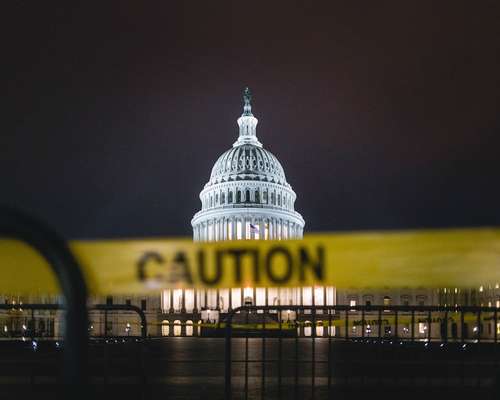
House Speaker Mike Johnson is racing against a ticking clock this Monday morning, scrambling to salvage a federal funding package as a potential government shutdown 2026 looms. The sticking point is no longer just dollars and cents—it is the explosive public outrage following the fatal shootings of two American citizens by federal agents in Minneapolis, a tragedy that has frozen the DHS funding bill in its tracks. With the Department of Homeland Security operating on a fragile continuing resolution that expires on February 13, the Capitol is locked in a high-stakes standoff between a defiant Trump administration and a unified Democratic front demanding immediate ICE reforms.
The Minneapolis Catalyst: "Not Just a Funding Fight"
The deadlock on Capitol Hill is inextricably checking the pulse of the streets in Minneapolis, where protests have raged for weeks. The controversy began on January 7, when 37-year-old legal observer Renee Good was fatally shot by an ICE agent in South Minneapolis. Tensions reached a boiling point just over two weeks later when Alex Pretti, an ICU nurse and U.S. citizen, was killed by Border Patrol agents in downtown Minneapolis while filming an arrest. These incidents have transformed a routine appropriations battle into a referendum on Trump ICE enforcement tactics.
Senate Democrats, led by Chuck Schumer, have drawn a red line, refusing to advance the Department of Homeland Security shutdown prevention bill without legally binding changes to how federal agents operate. "This is not a game," Speaker Johnson told reporters Sunday, defending the agents' right to anonymity. "They’ve been doxed. Local officials have effectively put a price on their heads." However, Democratic negotiators are insisting on a ban on face masks for agents, mandatory body cameras, and the end of "roving patrols" in sanctuary cities—demands the White House has flatly rejected.
Trump Digs In: "We Are Not Pulling Back"
Complicating Johnson's position is the unyielding stance of President Trump. In a Truth Social post late Thursday, the President confirmed he is "not at all" de-escalating the immigration sweep controversy, despite the mounting death toll and political fallout. "We want to keep our country safe," Trump said, dismissing calls from Minneapolis Mayor Jacob Frey and Governor Tim Walz to withdraw federal tactical units from the Twin Cities.
This hardline approach has emboldened the House Freedom Caucus to demand Johnson reject any "woke restrictions" on ICE, leaving the Speaker with little room to maneuver. If Johnson capitulates to Democratic demands to keep the government open, he risks a revolt from his right flank; if he holds the line, he risks being the face of a chaotic government shutdown 2026 that would paralyze border security and disaster response in the middle of winter.
The February 13 Deadline and the Threat of a National Shutdown
The current stopgap measure keeping DHS afloat runs out on February 13, but the political runway is already gone. Activists have called for a "National Shutdown" this Friday to protest the killings, a move likely to intensify the pressure on wavering moderate Republicans. The Minneapolis ICE protests show no sign of abating, with demonstrators occupying the streets near the Whipple Federal Building, defying tear gas and curfew orders.
For Speaker Johnson, the path forward is treacherous. He must craft a DHS funding bill that can pass a Republican House demanding aggression and a Democratic Senate demanding accountability. "Every single American needs Homeland Security fully funded," Johnson argued on Meet the Press, attempting to separate the funding from the policy dispute. Yet, with two Americans dead and video evidence contradicting official accounts of the shootings, the policy has become the only thing that matters to the votes he needs across the aisle.
What’s at Stake?
If the deadline passes without a deal, the Department of Homeland Security shutdown would furlough tens of thousands of employees and potentially halt the very enforcement operations the President is championing. Unlike previous shutdowns, the visceral anger over the Minneapolis shootings has removed the usual off-ramps. As the clock ticks toward midnight on the 13th, Washington isn't just debating a budget; it's debating the use of lethal force on American soil.