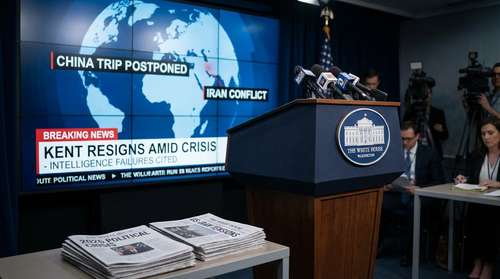
President Donald Trump has officially delayed his highly anticipated state visit to Beijing as the administration grapples with an escalating military conflict in the Middle East. The breaking news that the Trump China trip postponed comes in the wake of a massive 2026 political crisis news cycle, marked by the shocking Joe Kent resignation Iran bombshell and fierce international blowback over a deadly US Iran school strike. As the White House attempts to navigate closed waterways and fractured alliances, the ongoing Iran war intelligence failure is raising profound questions about the administration's stability and the broader trajectory of Trump foreign policy 2026.
Trump China Trip Postponed as Iran War Demands Attention
Originally scheduled for March 31 to April 2, the diplomatic summit with Chinese President Xi Jinping has been pushed back by "five or six weeks." Trump stated on Tuesday that his primary focus must remain on the ongoing US-Israeli military campaign against Tehran, officially dubbed Operation Epic Fury. The postponement sidelines crucial bilateral discussions regarding tariffs, Taiwan, and technological supply chains.
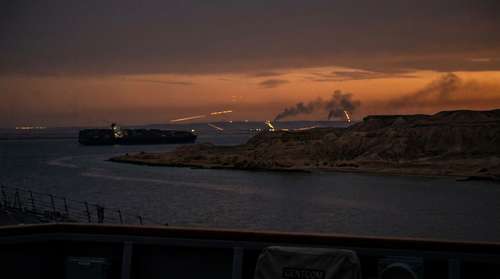
Furthermore, Trump's repeated appeals to global powers—including China and the United Kingdom—to help break Iran's effective blockade of the Strait of Hormuz have been largely rebuffed. With one-fifth of the world's traded oil paralyzed, global markets are experiencing severe price surges. Beijing, which imported around 12 million barrels of oil daily earlier this year, has thus far declined to join a US-led military coalition in the strait, adding immense economic pressure to an already fraught geopolitical landscape.
Joe Kent Resignation Highlights Deep Administration Divide
The foreign policy pivot is occurring simultaneously with a historic internal fracturing. On Tuesday, National Counterterrorism Center Director Joe Kent became the first senior official to resign in protest over the war. The controversy surrounding the Kent resignation centers on his explosive public claim that Iran posed "no imminent threat" and that the United States initiated the conflict due to pressure from Israel and its American lobbying apparatus.
Despite a reported last-minute intervention from Vice President JD Vance—who urged Kent to consult with White House Chief of Staff Susie Wiles before stepping down—Kent publicly condemned the war. He argued that the intervention flagrantly violated the non-interventionist platform the Trump-Vance ticket campaigned on, exposing a growing rift between the administration's America First base and its current military commitments.
Tulsi Gabbard Senate Testimony and the Intelligence Fallout
The fallout from Kent's abrupt exit immediately spilled onto Capitol Hill. During highly anticipated Tulsi Gabbard Senate testimony on Wednesday, the Director of National Intelligence faced intense bipartisan scrutiny over the administration's pre-war assessments. Gabbard testified that the Iranian regime remains "degraded but largely intact," despite the death of Supreme Leader Ayatollah Ali Khamenei during the initial February 28 strikes that killed over 1,200 people.
However, Gabbard visibly deviated from her prepared remarks regarding Iran's nuclear capabilities, prompting top Democrats like Senator Mark Warner to question whether the White House had cherry-picked intelligence to justify a premeditated conflict. When pressed by Senator Mark Kelly on what specific warnings the President had received, Gabbard and the CIA chief declined to provide direct answers, intensifying fears of a systemic intelligence failure.
US Iran School Strike and Growing International Pressure
Complicating the administration's wartime narrative is a horrific military blunder that has sparked worldwide outrage. A preliminary investigation revealed that a catastrophic Tomahawk missile strike on February 28 in the southern Iranian city of Minab killed approximately 175 people, many of them elementary school children. According to reports from The New York Times, US Central Command relied on outdated Defense Intelligence Agency coordinates, mistakenly identifying the school as an active military base.
While Trump told reporters he had not yet been briefed on the findings, the tragedy has galvanized global opposition to the conflict. The strike has severely damaged Washington's moral standing and hardened Tehran's resolve to continue blocking vital global shipping lanes, leaving the US increasingly isolated on the world stage.
The Future of Trump Foreign Policy in 2026
As March 2026 draws to a close, the White House finds itself fighting battles on multiple fronts. The decision to delay the pivotal Beijing summit underscores how thoroughly the Middle East conflict has derailed the broader objectives of the administration's second term. Supply chains are threatened by the Hormuz closure, and vocal critics from both sides of the aisle are amplifying their dissent.
With intelligence gaps publicly exposed and high-level internal officials departing in protest, the next few weeks will be critical. The administration must determine whether it can stabilize the volatile region, reopen global waterways, and reset its diplomatic agenda with China, or if it will be drawn further into a deeply unpopular and economically devastating war.