A massive weather system, dubbed Winter Storm Fern, is wreaking havoc on aviation infrastructure this Friday, grounding over 2,100 flights and leaving millions of passengers stranded across the United States. As winter storm travel disruptions 2026 reach their peak, major hubs from Dallas to Atlanta are paralyzed by a dangerous mix of ice, sleet, and heavy snow. The National Weather Service reports that an unprecedented 240 million people—nearly 70% of the U.S. population—are currently under winter weather alerts as the system sweeps from the Southern Plains toward the Northeast.
Thousands of Flights Grounded as Storm Fern Intensifies
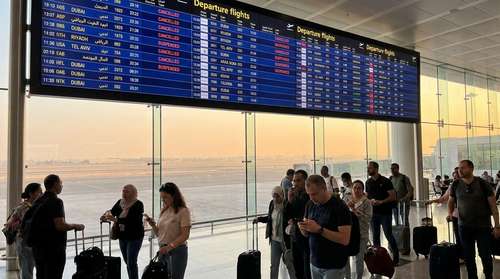
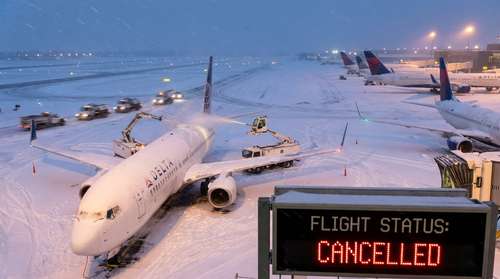
Travel chaos has engulfed the nation’s airports, with FlightAware data confirming that flight cancellations today have surpassed 2,100, with another 6,000 flights delayed. The disruption is centered on key airline fortress hubs, particularly Dallas Fort Worth International Airport (DFW) and Hartsfield-Jackson Atlanta International (ATL), where de-icing crews are struggling to keep up with freezing rain and rapid ice accumulation.
"This is not just a snow event; the ice accumulation in the South is creating a worst-case scenario for aviation operations," said a spokesperson for the Federal Aviation Administration (FAA). Airlines have already preemptively canceled hundreds of flights scheduled for Saturday, anticipating that equipment will remain frozen and crews displaced throughout the weekend. Travelers at DFW reported waiting on tarmacs for hours as ground stops halted all inbound and outbound traffic.
Airlines Issue Emergency Travel Waivers
In response to the crisis, major carriers have activated flexible rebooking policies. Airline travel waivers January 2026 are now in effect for passengers flying with Delta, United, American, and Southwest. These waivers generally cover travel dates between January 23 and January 26, allowing customers to change their itineraries without paying fare differences or change fees.
Specific Airline Policies
- American Airlines: Waivers apply to 34 airports, including DFW and Charlotte (CLT). Travelers must rebook by January 28.
- Delta Air Lines: Issued a comprehensive waiver for the Southeast and Northeast, specifically warning of disruptions in Atlanta and New York.
- United Airlines: offering fee-free changes for customers traveling through Chicago (ORD), Houston (IAH), and Newark (EWR).
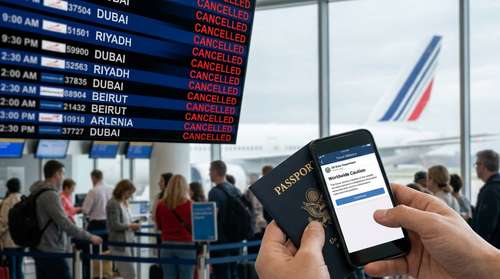
Passengers are strongly advised to download their airline’s mobile app to check winter weather flight delays in real-time before heading to the airport. Experts warn that even if a flight shows as "on time," connecting flights and crew availability could lead to last-minute cancellations.
240 Million Under Alert: The Path of the Storm
The sheer scale of this system is historic. Stretching over 2,000 miles, the storm is delivering a triple threat: crippling ice in Texas and Tennessee, heavy snow in the Midwest, and bitter cold in the Northeast. Meteorologists predict that the Dallas Fort Worth airport delays are just the beginning, as the storm tracks eastward into the weekend.
"We are looking at widespread power outages and impassable roads across 40 states," warned the National Weather Service. In Atlanta, a rare ice storm warning has shut down surface transport, complicating efforts for flight crews to reach the airport. Meanwhile, cities like Philadelphia and New York are bracing for up to a foot of snow by Saturday night, likely triggering a second wave of cancellations for the Northeast corridor.
What to Do If Your Flight Is Canceled
With this massive US winter storm 2026 showing no signs of letting up, stranded travelers have limited options. If your flight is canceled, airlines recommend using self-service kiosks or mobile apps rather than waiting in long customer service lines. Rebooking on the earliest flight might mean waiting until Monday or Tuesday, as load factors are already high.
For those stuck in connecting cities, verify if your airline provides distressed passenger vouchers for hotels, though weather-related cancellations typically do not mandate compensation under U.S. Department of Transportation rules. The best defense is proactive monitoring: check US travel weather alerts frequently and consider canceling non-essential travel immediately to take advantage of the waivers.