With just 44 days remaining until the globe's premier soccer tournament kicks off across North America, the ongoing DHS funding lapse 2026 threatens to plunge American transit hubs into unprecedented gridlock. As Congress prepares for another potential recess without a resolution, travel industry leaders are sounding the alarm over an impending crisis. The partial Department of Homeland Security shutdown, which began in mid-February, has already inflicted severe damage on the transportation workforce. Now, with emergency funds rapidly drying up, officials project severe safety vulnerabilities and logistical nightmares just as millions of international fans prepare to arrive.
The Breaking Point: TSA Officer Resignations Surge
Since the funding stalemate started on February 14, more than 1,110 frontline screening personnel have abandoned their posts. These mass TSA officer resignations underscore a worsening morale and financial crisis among the workers tasked with securing the nation's skies. While an emergency executive order signed by President Trump in late March temporarily restored paychecks, the Department of Homeland Security has warned that these stopgap funds will run out by the first week of May.
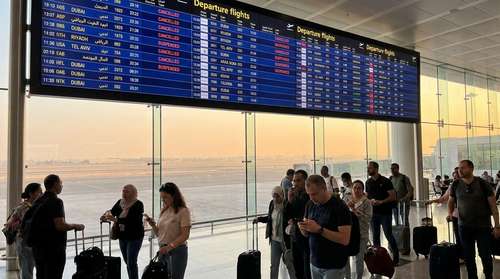
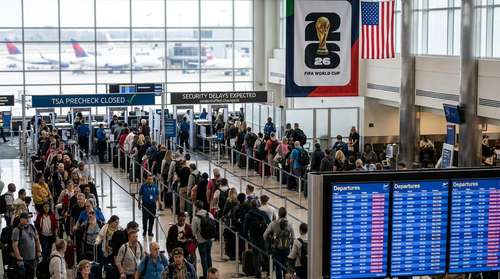
Replacing highly trained security personnel is a sluggish process that the current timeline simply cannot accommodate. According to agency officials, properly vetting and training a new transportation security officer takes between four to six months. With June rapidly approaching, the depleted workforce numbers are locked in. Fewer open screening lanes inevitably mean soaring airport security wait times. Travelers who remember the hours-long bottlenecks during the spring break period should brace for even worse conditions if a long-term appropriations bill is not passed immediately.
U.S. Travel Association Warnings Grow Louder
The travel industry's leading advocates are no longer hiding their frustration. In recent days, stark U.S. Travel Association warnings have targeted lawmakers who are threatening to leave Washington without fixing the appropriations gap. The organization has outlined how a continued lapse will devastate the economy and compromise passenger safety just as the busy season begins.
"We are 44 days from the largest sporting event in American history and Washington is failing the American people," stated U.S. Travel Association President and CEO Geoff Freeman. "The stakes for our economy, our safety, and our standing in the world are too high for this to continue. Congress must fund DHS now before they leave town".
Freeman and other industry executives are advocating for a three-year stable funding structure for the Transportation Security Administration to permanently remove frontline worker pay from partisan budget disputes. Without this vital legislative fix, the specter of catastrophic summer travel disruptions 2026 will loom over both domestic vacationers and international visitors.
Legislative Gridlock Threatens the Travel Economy
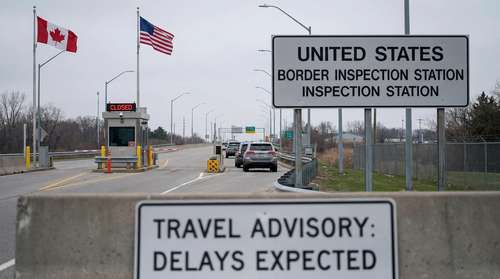
Despite mounting pressure from the private sector and local municipalities, the legislative path forward remains murky. A shell budget resolution to bypass the filibuster and a standalone DHS Appropriations Act for fiscal year 2026 have been floated in the House, yet neither has successfully navigated both chambers to reach the president's desk. The nonpartisan travel coalition notes that previous prolonged shutdowns have triggered billions in broader economic losses. Hotels, restaurants, and local businesses in the 11 host cities are counting on a seamless influx of international tourists. If prospective visitors see viral images of paralyzed American airports, many may reconsider their trips entirely. As the standoff persists, the administration and Congress remain locked in a partisan battle over unrelated border policies, leaving the very agencies responsible for facilitating international commerce caught in the crossfire.
2026 FIFA World Cup Travel Alerts and Security Risks
The impending tournament adds a massive layer of complexity to an already strained system. Hosting an event of this magnitude involves coordinating federal, state, and local law enforcement across 11 U.S. host cities. Yet, the funding freeze has stalled crucial planning operations. Because of the prolonged fiscal gap, critical technology deployments specifically designed for tournament preparation have been cast into doubt. Furthermore, the Federal Emergency Management Agency remains paralyzed, leaving $625 million in allocated federal security grants for the tournament entirely frozen.
Intelligence reports have already highlighted extremist threats regarding the upcoming international matches, increasing the urgency for fully operational defense and screening protocols. As a result, aviation experts are beginning to issue preliminary 2026 FIFA World Cup travel alerts, advising ticket holders to anticipate severe transit delays. Some analysts recommend that fans arrive at transit hubs up to four or five hours before their scheduled departures to navigate the reduced screening capacity.
Unpaid Personnel Stretched Dangerously Thin
The impacts of the budget crisis extend far beyond luggage checkpoints. Unpaid personnel across Customs and Border Protection, the Secret Service, and cybersecurity divisions are currently being stretched dangerously thin. A fully functional Department of Homeland Security is mandatory to process the estimated five million fans expected to cross U.S. borders this summer. Aviation experts emphasize that creating unpredictability in the system forces passengers to guess when to arrive, which only exacerbates terminal crowding. If lawmakers fail to strike a deal before the remaining emergency reserves are exhausted, the combination of massive event crowds, crippled agency resources, and a demoralized workforce will almost certainly trigger historic gridlock. Travelers mapping out their summer itineraries should monitor federal budget negotiations closely, as the outcome will dictate whether they experience a seamless journey or a frustrating, hours-long standstill.