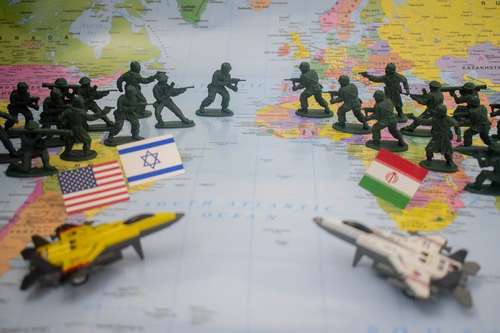
As the US-Israel war Iran 2026 enters its grueling 17th day, President Donald Trump is issuing an urgent ultimatum to international allies: deploy warships to the Middle East immediately, or face severe global economic consequences. The sweeping conflict, which erupted on February 28 following massive joint US-Israeli preemptive strikes, has rapidly morphed into a complex global energy crisis. With the vital Strait of Hormuz currently paralyzed by retaliatory drone strikes and hidden naval mines, the world's oil supply is hanging by a precarious thread.
Global Oil Crisis Looms Over the Strait of Hormuz
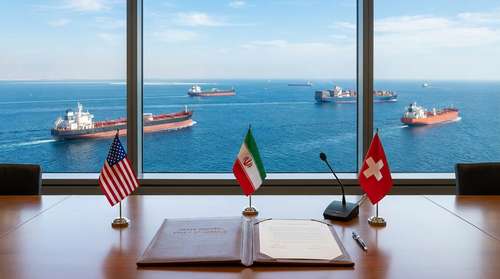
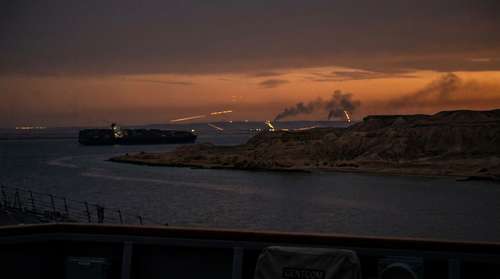
The Strait of Hormuz—a narrow, 30-mile maritime corridor that typically funnels nearly a fifth of the world's traded petroleum—has emerged as the conflict's most dangerous strategic flashpoint. While President Trump recently declared that the United States has decimated "100% of Iran's military capability," the reality on the water tells a more complicated story. The U.S. Navy has starkly described the critical waterway as an Iranian "kill box". The asymmetric threat of mobile, coastal "shoot and scoot" missile launchers and cheap, easily deployed Shahed drones has forced international commercial shipping to an unprecedented halt.
The resulting Middle East oil crisis 2026 is already sending severe shockwaves through the global economy. Brent crude is currently hovering dangerously close to the $100-a-barrel threshold, sending domestic gasoline prices soaring across the United States. In response to skyrocketing inflation fears, the White House is pushing aggressively for international burden-sharing, insisting that nations reliant on Gulf oil must step up to secure the vital shipping lanes.
Trump Pressures Allies to Deploy Warships
Looking for a rapid solution to the commercial shipping blockade, the Trump Strait of Hormuz demands have become increasingly pointed and public. The President has directly pressured a half-dozen nations, including Japan, South Korea, China, and European partners like France and Britain, to form a robust global maritime coalition. "The United States of America has beaten and completely decimated Iran... but the Countries of the World that receive Oil through the Hormuz Strait must take care of that passage," Trump announced over the weekend.
Despite these high-stakes Trump foreign policy updates, international commitment remains largely tepid. Allies are hesitant to put their naval personnel in the direct line of fire. British Prime Minister Keir Starmer noted recently that while the UK is actively exploring diplomatic and strategic plans to reopen the strait, London remains adamant that it "will not be drawn into the wider war".
Israel Obliterates Iran's Space Research Center
While the naval standoff continues to choke global trade, the Israel Iran military escalation reached devastating new heights this week. On Saturday, the Israel Defense Forces (IDF) executed a highly targeted precision strike inside Tehran, utterly destroying the primary Iranian Space Research Center. This high-security facility was not merely a civilian scientific hub; Israeli intelligence confirmed it housed critical laboratories actively used for developing military satellites, conducting advanced intelligence gathering, and directing fire against regional targets across the Middle East.
Simultaneously, Israeli jets leveled a major air defense factory, crippling Tehran's remaining ability to manufacture surface-to-air systems. These strikes perfectly complement the sweeping American aerial campaign. The Pentagon confirmed this week that U.S. forces have successfully hit over 7,000 targets across the Islamic Republic, claiming a 90% reduction in their ballistic missile launch capabilities. One of the most severe blows landed on Kharg Island—the export terminal responsible for roughly 90% of Iran's crude oil shipments. U.S. Central Command reported that the strikes obliterated naval mine storage facilities and missile bunkers while deliberately preserving the core oil infrastructure.
Retaliatory Drone Strikes Rattle the Gulf
Unable to match the overwhelming air superiority of the U.S. and Israel, Iranian forces have resorted to asymmetric warfare. Following the initial wave of attacks in late February that reportedly killed Supreme Leader Ayatollah Ali Khamenei, Tehran's surviving military factions have launched a series of desperate but disruptive retaliatory drone strikes across the Persian Gulf. Facilities in the United Arab Emirates, Bahrain, and Saudi Arabia have all faced targeted harassment.
Top Iranian security official Ali Larijani issued a scathing rebuke on Monday, accusing neighboring Islamic states—particularly the UAE—of abandoning Iran during the onslaught. This regional fracture highlights the intense diplomatic tightrope Middle Eastern nations are walking as the conflict reshapes the geopolitical landscape.
Congress Battles Over Massive War Funding Bill
Back in Washington, the geopolitical fallout has ignited a bitter domestic political feud. Lawmakers are currently locked in a fierce, high-stakes debate over a colossal war funding bill Congress must pass to sustain the intense operational tempo in the Persian Gulf. The proposed emergency legislation aims to rapidly replenish depleted American munitions—particularly precision-guided missiles, bunker busters, and naval interceptors—while simultaneously bolstering Israel's military reserves.
However, bipartisan consensus is rapidly fracturing on Capitol Hill. Fiscal conservatives are heavily questioning the long-term financial drain of an open-ended Middle Eastern engagement, demanding clear parameters for ending the conflict before approving blank checks. Conversely, defense hawks argue that absolute, undisputed military dominance is the only viable way to stabilize the region, protect the global economy, and secure the Strait of Hormuz. They maintain that any hesitation will only embolden rogue actors and further destabilize global energy markets.
For those closely tracking the Iran conflict latest news, the coming days will prove absolutely critical. If the proposed international maritime coalition fails to materialize and the Strait of Hormuz remains impassable, the resulting global energy shock could easily eclipse the immediate tactical victories won in the skies over Tehran. As Day 17 comes to a close, the world watches nervously to see who will blink first in this high-stakes standoff.