
The conflict between the White House and the Federal Reserve has reached a historic boiling point as the Trump administration launches a criminal probe into Fed Chair Jerome Powell. On Friday, the Department of Justice (DOJ) served the central bank with grand jury subpoenas, escalating a long-simmering war over interest rate policy and central bank independence. This unprecedented move marks the first time a sitting President’s administration has threatened a Federal Reserve Chair with criminal indictment, sending shockwaves through global financial markets and raising urgent questions about the future of the U.S. economy.
DOJ Investigation Targets $2.5 Billion Renovation Project
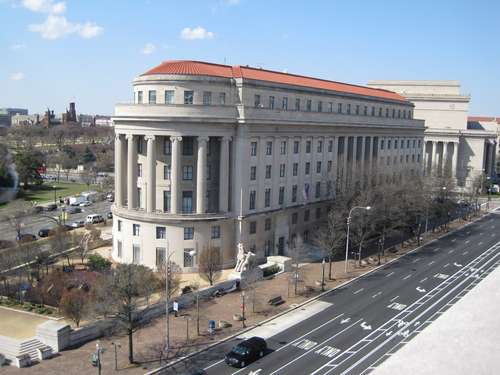
The criminal investigation centers on allegations regarding a massive $2.5 billion renovation of the Federal Reserve’s historic headquarters in Washington, D.C. According to reports, the U.S. Attorney for the District of Columbia, Jeanine Pirro, approved the inquiry, which focuses on whether Powell lied to Congress during his June 2025 testimony before the Senate Banking Committee.
President Trump and his allies have characterized the renovation project as ‘ostentatious’ and a misuse of public funds, citing cost overruns that pushed the budget from an original $1.9 billion to nearly $2.5 billion. Administration officials have specifically scrutinized spending on marble cladding and updated facilities, alleging these expenses were downplayed in congressional hearings. However, Fed officials attribute the ballooning costs to supply chain inflation and necessary asbestos abatement in the 1930s-era Marriner S. Eccles Building.
Powell Strikes Back: ‘A Pretext for Political Pressure’
In a defiant video statement released Sunday evening, Jerome Powell broke his customary silence to address the charges directly. He categorically denied any wrongdoing and framed the investigation as a politically motivated attack designed to strip the Federal Reserve of its autonomy.
‘This new threat is not about my testimony last June or about the renovation of the Federal Reserve buildings,’ Powell stated, looking directly into the camera. ‘Those are pretexts. The threat of criminal charges is a consequence of the Federal Reserve setting interest rates based on our best assessment of what will serve the public, rather than following the preferences of the president.’
Powell’s refusal to bow to executive pressure highlights the critical stake at the heart of this conflict: the ability of the central bank to set monetary policy without short-term political interference.
Escalating War Over Interest Rate Policy 2026
The backdrop to this legal drama is a fierce disagreement over the direction of the U.S. economy. President Trump has relentlessly campaigned for aggressive interest rate cuts to stimulate growth, publicly criticizing Powell for keeping rates ‘artificially high.’ Despite recent cuts, the administration argues the Fed is moving too slowly, hampering the economic boom Trump promised voters.
Economists warn that forcing rapid rate cuts could reignite inflation, repeating the errors of the 1970s. By threatening the Fed Chair with jail time, critics argue the administration is attempting to coerce the Federal Open Market Committee (FOMC) into capitulation, a move that could destabilize the dollar and erode investor confidence in U.S. assets.
Market Reaction and Political Fallout
Financial markets reacted swiftly to news of the Jerome Powell criminal probe. U.S. stock futures dipped, while gold prices surged to record highs as investors sought safe-haven assets amidst the uncertainty. The prospect of a compromised central bank has rattled Wall Street, where Fed independence is viewed as a bedrock of economic stability.
Political reaction has been swift and divided. Republican Senator Thom Tillis broke ranks to condemn the investigation, stating he would block any Trump nominee to the Fed until the matter is resolved. ‘The independence and credibility of the Department of Justice are in question,’ Tillis warned. Meanwhile, Trump loyalists have praised the move as a necessary step toward accountability for unelected bureaucrats.
With Powell’s term as Chair set to expire in May 2026, the timing of the investigation suggests a strategic effort to force his early resignation or delegitimize his tenure. However, Powell has signaled he intends to serve out his full term as a Governor until 2028, setting the stage for a prolonged constitutional showdown.
What This Means for the U.S. Economy
The implications of this conflict extend far beyond the Beltway. If the executive branch successfully pressures the Fed into altering its interest rate policy, the U.S. could enter a new era of politicized central banking. For everyday Americans, this could mean more volatile mortgage rates, fluctuating inflation, and a less predictable job market.
As the DOJ subpoenas move forward, all eyes will be on the Federal Reserve’s next meeting. Will policymakers hold the line on their data-driven approach, or will the threat of indictment force a pivot? For now, the war over the Fed is no longer just about economics—it is a battle for the institutional soul of the American economy.