
It's fascinating to recall that one of today’s most influential names in the gaming industry started as a humble playing card company in Kyoto, Japan. Nintendo's transformation from these modest roots into a global video game powerhouse is not just a story of product innovation but also a testament to strategic foresight and adaptability.
Nintendo’s Roots: A Playing Card Pioneer
Nintendo began its journey in 1889, manufacturing playing cards. For much of the 20th century, the company focused on this niche market, crafting its reputation around high-quality cards. However, the landscape of entertainment was beginning to change rapidly in the later decades, and Nintendo had to reconsider its strategy to remain relevant.
Innovation and Diversification
The late 20th century marked a transformative phase for Nintendo. With the dawn of electronic gaming, the company ventured into toy production and eventually video games. This shift was crucial for Nintendo as it allowed the company to enter and eventually reshape the burgeoning video game market. By recognizing early the potential of digital entertainment, Nintendo set the stage for its future triumphs in gaming.
The Breakthrough with the NES
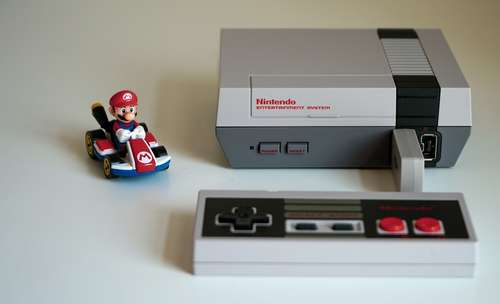
During the 1980s, Nintendo launched the Nintendo Entertainment System (NES). The NES didn’t just set sales records; it redefined the home gaming experience. Through a combination of engaging game titles and strategic marketing, Nintendo captured the hearts of gamers worldwide, solidifying its place in gaming history.
Navigating the Competitive Video Game Market
As the gaming industry matured, Nintendo faced increased competition. Yet, its ability to innovate consistently helped it maintain an edge over its rivals. Games like Super Mario and franchises such as Zelda became cultural phenomena, reflecting Nintendo’s knack for creating engaging and timeless content.
Adapting to Modern Challenges
Modern times pose different challenges with the evolution of technology and gaming preferences. However, Nintendo's innovative strategies continue to fuel its success. By focusing on gameplay innovation and an understanding of market trends, Nintendo remains a dominant player in the gaming industry.
Enduring Success and Financial Acumen
Behind Nintendo's enduring appeal is not just its creative prowess but also a keen sense for financial strategy. This mindset has allowed Nintendo to navigate the complex economic aspects of the gaming industry effectively. Episodes of The Indicator from Planet Money highlight how these financial strategies and adaptability continue to secure Nintendo's position at the zenith of the gaming industry.
Available discussions such as Inside Video Game Economics and Forever Games: The Economics of the Live Service Model offer deeper insights into Nintendo's sustained relevance and financial mastery.
As Nintendo continues to innovate and adapt, its journey from a small card company to a gaming colossus is a remarkable illustration of strategic vision and industry-leading creativity. We may always wonder what new chapters Nintendo will write in the evolving story of digital entertainment.