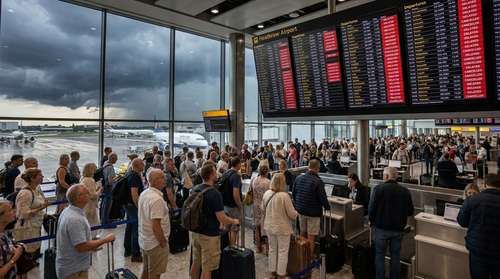
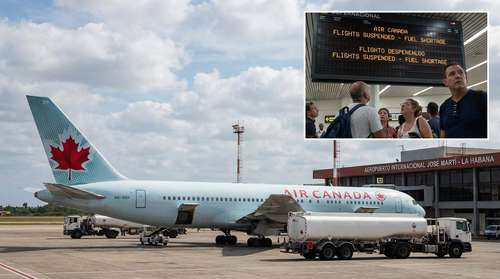
In a sudden move that has sent shockwaves through the Caribbean travel sector, Air Canada suspends Cuba flights suspended effective immediately, leaving thousands of vacationers in limbo. The decision comes less than 24 hours after authorities at Havana’s Jose Marti International Airport issued an urgent warning that the facility faces a total exhaustion of jet fuel reserves, a crisis that threatens to ground international air traffic to the island for weeks.
Havana Airport Jet Fuel Shortage Triggers Travel Chaos
The situation escalated rapidly on Monday morning when Cuban aviation officials released a NOTAM (Notice to Air Missions) declaring that "Jet A1 fuel is not available" across major airports, including the critical hub of Havana. This Havana airport jet fuel shortage has forced carriers to scramble for solutions, but Air Canada has taken the most drastic measure by halting all regular operations.
For travelers currently soaking up the sun in Varadero or Cayo Coco, the news is sobering. The shortage isn't just a logistical hiccup; it is a systemic failure of the island's energy supply chain. With pumps running dry, aircraft landing in Cuba cannot refuel for their return journeys, creating a logistical nightmare for airlines operating long-haul routes or those without the capacity to carry return fuel.
Impact on Jose Marti International Airport
The Jose Marti International Airport fuel crisis is the epicenter of this disruption. As the primary gateway for international visitors, the airport's inability to service aircraft strikes a blow to the country's tourism-dependent economy. Sources on the ground report that ground crews have been notified that refueling trucks are indefinitely sidelined, with no confirmed timeline for replenishment.
Air Canada Launches Emergency 'Rescue' Operations
Facing the prospect of thousands of stranded passengers, Air Canada has initiated an emergency repatriation plan. Starting Tuesday, the airline is deploying a series of empty aircraft from Montreal and Toronto. These "rescue" flights will carry maximum fuel loads—enough to fly to Cuba, pick up passengers, and return to Canada without needing to tap into Cuba's depleted reserves.
According to an airline spokesperson, approximately 3,000 customers are currently affected. "Our priority is the safe return of our citizens," the representative stated. "We are operating ferry flights to bring our customers home, but regular commercial service is suspended until we can guarantee a reliable fuel supply." This move underscores the severity of the stranded in Cuba news making headlines globally.
Other Carriers Forced to Reroute
While Air Canada has opted for a full suspension, other international carriers are attempting to keep routes open through costly and complex workarounds. Airlines such as Air Transat and Sunwing are reportedly modifying flight plans to include "technical stops" in neighboring nations.
- Dominican Republic: Flights are diverting to Punta Cana to top up tanks before the final leg to Cuba.
- Mexico: Cancun is serving as a refueling station for aircraft departing Havana.
- Bahamas: Nassau is handling emergency fuel requests for flights heading back to Europe and North America.
These Caribbean flight disruptions are adding hours to travel times and significantly increasing operational costs, expenses that may eventually be passed down to travelers.
Cuba Travel Advisory 2026: What Travelers Need to Know
The Cuba travel advisory 2026 has been updated to reflect these volatile conditions. The Canadian government and other international bodies are urging a high degree of caution. Beyond the airport tarmac, the fuel shortage is symptomatic of a broader energy crisis affecting the island's power grid and ground transportation.
Tourists planning trips in the coming weeks face significant uncertainty. With the Cuba travel alert today warning of potential flight cancellations on short notice, travel insurance providers are already seeing a spike in claims and inquiries. Industry experts advise that anyone with a booking to Cuba in February or March should contact their airline immediately to verify flight status.
This developing story marks a new low point for Caribbean air travel in the post-pandemic era. As tankers remain dry and tourists wait anxiously in departure lounges, the resilience of Cuba's tourism industry is facing one of its toughest tests yet.