Acting Attorney General Todd Blanche is one step closer to formally taking the reins of the Justice Department. On Tuesday, August 4, 2026, the Todd Blanche attorney general nomination cleared a critical hurdle when it advanced to the full Senate. The breakthrough arrived only after the nominee officially rescinded a highly controversial $1.8 billion payout program, a last-minute concession that secured indispensable Republican backing.
The 12-10 party-line Senate Judiciary Committee vote caps weeks of intense negotiations and a high-stakes political standoff. While Blanche has successfully navigated this immediate roadblock, his pathway to final confirmation remains fraught with fierce partisan opposition and lingering legal questions about the permanence of his recent promises.
The Turning Point: Scrapping the Billion-Dollar Fund
The primary sticking point threatening the Todd Blanche confirmation was a nearly $1.8 billion financial pool originally established in May. Dubbed by the administration as a way to systematically compensate victims of alleged government lawfare, the initiative drew sharp bipartisan scrutiny.
The anti-weaponization fund Trump championed was originally forged as a central pillar of the sprawling Trump IRS lawsuit settlement. The president had sued the federal Treasury and the IRS over the unauthorized leak of his confidential tax returns by a former government contractor. In exchange for dropping the $10 billion civil suit, the administration proposed the massive payout fund—money sourced directly from the federal judgment fund.
Critics immediately noted the program could financially reward political allies, including individuals involved in the January 6 Capitol riot who claimed the judicial system had wronged them. Facing a stalled nomination, Blanche issued a formal written order late Sunday night. The directive explicitly stated that the May 2026 order establishing the fund "is rescinded and shall have no force or effect". He also clarified that a separate provision granting the president and his family immunity from tax audits applies only to claims open at the time of the settlement, stripping away protections for any future tax filings.
Securing Crucial Republican Votes
Before Sunday's written directive, the Todd Blanche attorney general bid faced a formidable roadblock. Republican Senators John Cornyn, Thom Tillis, and other key committee members had publicly withheld their support, demanding formal, written modifications to the settlement deal before they would allow the nomination to proceed.
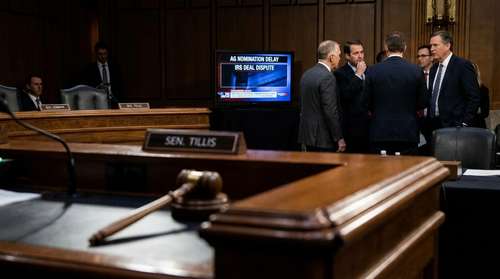
The senators argued that the payout initiative represented an inappropriate use of taxpayer dollars and set a dangerous precedent. During the Tuesday hearing, Tillis blasted lawmakers on both sides of the aisle for what he described as the intensifying weaponization of the federal government from one administration to the next. Following Blanche's Sunday order, the lawmakers reversed course. In a joint statement released on Monday, Senators John Cornyn, Thom Tillis expressed their gratitude to Blanche's staff for addressing their concerns, paving the way for Tuesday's successful Senate Judiciary Committee vote.
Lingering Loopholes in the Agreement
Despite the concessions that satisfied Republican holdouts, legal experts warn that the underlying framework of the settlement remains intact. Brandon DeBot, Policy Director at the Tax Law Center, issued a statement Monday warning that Blanche's assurances "are not worth the paper they're written on". The new August directive rescinds the Department of Justice order creating the fund, but it does not formally amend the original settlement agreement signed by the plaintiffs.
Further complicating matters, President Trump confirmed to reporters on Monday that he did not sign Blanche's recent order. Because the original Trump IRS lawsuit settlement stipulates that changes require the written agreement of all parties, critics argue the president could theoretically sue to enforce the initial terms or attempt to revive the anti-weaponization fund Trump originally demanded at a later date. This loophole leaves the door open for continued legal battles long after the Todd Blanche confirmation process concludes.
Democrats Rally Against the Department of Justice Nomination
While Blanche managed to consolidate Republican support, he faces a unified wall of Democratic resistance. During Tuesday's markup hearing, opposition lawmakers painted the nominee as lacking the necessary independence required to serve as the nation's top law enforcement officer.
Democrats highlighted Blanche's history as Trump's personal defense attorney and criticized his handling of other sensitive matters during his tenure as acting chief. Specifically, lawmakers scrutinized his management of the recently disclosed Jeffrey Epstein files, which Blanche admitted involved administrative "mistakes" despite defending the release as an exercise in unprecedented transparency.
Senator Sheldon Whitehouse delivered a blistering critique ahead of the vote, arguing that advancing this specific Department of Justice nomination fundamentally compromises the agency's operational independence from the White House, labeling him the most discreditable person ever to seek the office.
What Lies Ahead for the Full Senate
With the committee hurdle cleared, the nomination now moves to the full Senate floor for a final vote expected within the coming days. Republicans maintain a narrow advantage, meaning Blanche can afford virtually zero defections if all Democrats uniformly vote against the Department of Justice nomination.
The coming days will test whether the written assurances provided to lawmakers are enough to keep moderate Republicans in line across the entire chamber. As the political maneuvering continues, Washington remains closely focused on the Justice Department's evolving leadership and the unprecedented legal agreements shaping its future.