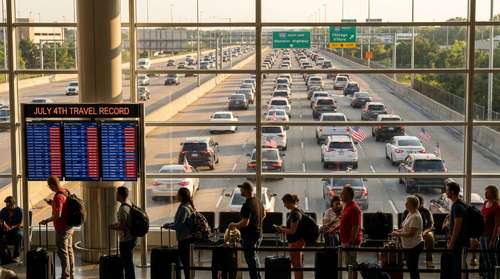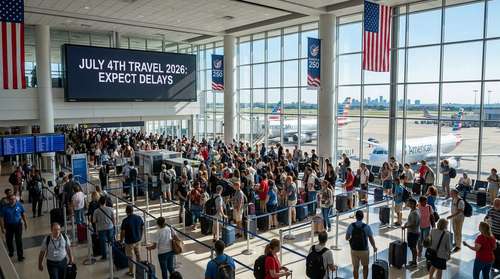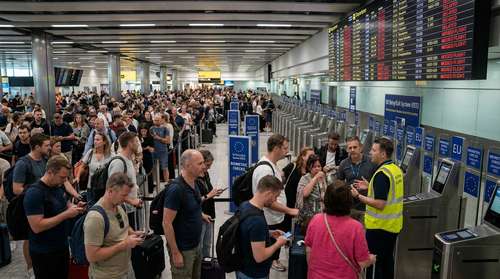
MIAMI, Feb. 10, 2026 – Miami International Airport (MIA) is in the grip of a chaotic "triple meltdown" today as a perfect storm of infrastructure failure, international supply chain collapse, and severe weather slams the major travel hub. Thousands of travelers are stranded across terminals as a nationwide jet fuel shortage in Cuba has grounded nearly all flights to the island, compounding misery from a major water main break and cascading delays from an arctic blast in Canada.
Cuba Jet Fuel Crisis Grounds Hundreds of Flights
The centerpiece of today's chaos is the sudden and total suspension of jet fuel availability across Cuba. At 5:00 UTC this morning, Cuban authorities issued NOTAM A0356/26, declaring that Jet A-1 fuel is completely unavailable at all nine of the island's international airports, including Havana (HAV), Varadero (VRA), and Santiago de Cuba (SCU). The notice, effective through March 11, has forced an immediate halt to hundreds of weekly routes.
American Airlines, which operates its largest Caribbean hub at MIA, has been forced to cancel dozens of daily flights. While some shorter routes are attempting to "tanker" fuel—carrying enough for a round trip without refueling—longer routes and heavy passenger loads make this impossible for many aircraft. "We are currently re-evaluating our entire Cuba schedule," an American Airlines spokesperson said in a brief statement this morning. "Safety remains our priority, and we cannot operate where fuel is not guaranteed."
Canadian Carriers Suspend Operations
The ripple effect is severe for Canadian travelers connecting through Miami. Air Canada, WestJet, and Air Transat have effectively suspended all operations to Cuba. Passengers who were scheduled to fly from Toronto or Montreal to Cuba via Miami are now stuck in Florida, their itineraries severed mid-journey. With over 400 weekly flights normally servicing the U.S.-Cuba corridor, analysts estimate nearly 15,000 passengers could be displaced in the first 48 hours of this crisis alone.
MIA Infrastructure Failure: No Water, No Restrooms
Adding insult to injury for stranded passengers is a critical infrastructure failure at MIA itself. A massive water main break that occurred on February 8 on the airport's perimeter continues to severely limit water pressure throughout the terminals. As of this morning, many restrooms in the North Terminal are shuttered, and airline lounges have been forced to close showers and limit food service.
Travelers describe apocalyptic scenes inside the terminals. "It’s unbearable," said Sarah Jenkins, a passenger stranded on her way to Cayo Coco. "We can't fly out, we can't find a hotel because they're all booked with other stranded passengers, and now we can't even use a proper bathroom in the terminal. It feels like the entire system has just snapped."
Airport officials state that repairs are complicated by the age of the pipes, some of which date back to the airport's 1928 origins. While emergency portable restrooms have been deployed curbside, they offer little relief for passengers stuck airside past security checkpoints.
'Arctic Blast' Compounds Delays from North
The third leg of this operational tripod of failure comes from the north. An intense "Arctic Blast" sweeping through Ontario and Quebec has paralyzed airports in Toronto (YYZ) and Montreal (YUL), causing massive cascading delays for flights arriving into Miami. De-icing equipment failures and temperatures plunging to -40°F in Canada have meant that incoming aircraft—vital for operating outgoing flights from MIA—are arriving hours late or not at all.
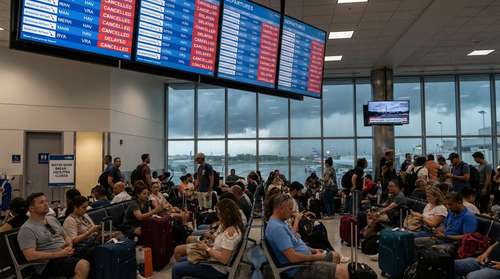
Flight boards at MIA are a sea of red, with delays averaging 4+ hours for arrivals from the Northeast and Canada. This dislocation of aircraft and crews has left gates occupied by planes that cannot leave, forcing incoming flights to sit on the tarmac for hours waiting for a parking spot.
What Travelers Need to Know Right Now
If you are scheduled to fly through Miami today, especially to the Caribbean or from the Northeast/Canada, airlines are urging you to check your flight status before leaving for the airport. Here is the current situation at a glance:
- Cuba Flights: Expect immediate cancellation or severe rescheduling. If your flight is operating, luggage restrictions may apply to save weight for fuel tankering.
- Airport Amenities: Bring your own water and sanitize supplies. Restroom access is severely limited in the North Terminal.
- Rebooking: American Airlines and other carriers have issued travel waivers. Do not come to the airport to rebook; call or use the airline app to avoid massive service desk lines.
With the Cuba fuel blockade set to last at least 30 days and the water main repairs ongoing, the "Miami Meltdown" is likely to affect travel plans well into next week. "This is a historic disruption," noted aviation analyst Mark Driscoll. "I've seen fuel shortages, and I've seen pipe bursts, but never all at once at a major gateway like Miami."