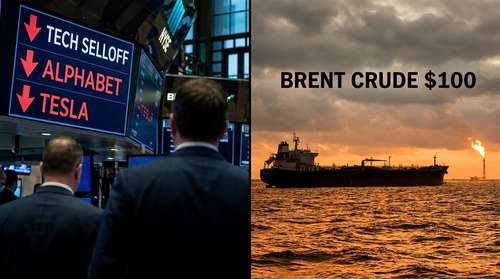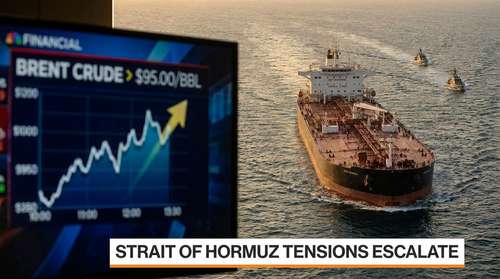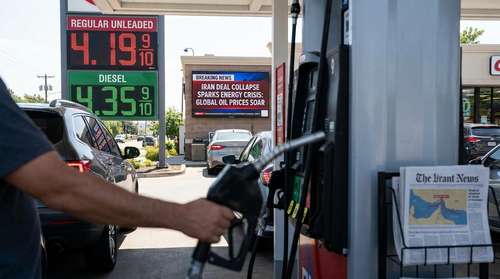
DAVOS, Switzerland — The 56th World Economic Forum (WEF) is set to open under a cloud of unprecedented tension this week, as U.S. President Donald Trump arrives in the Swiss Alps accompanied by the largest American delegation in the summit's history. His arrival comes just days after the WEF's own Global Risks Report 2026 identified "geoeconomic confrontation" as the single greatest threat to the global economy, setting the stage for a high-stakes clash of visions between the "America First" administration and the defenders of global multilateralism.
Trump's 'Economic Gladiators' Descend on Davos
President Trump touched down in Zurich on Sunday, bringing with him a cabinet lineup that insiders are calling a "war council" for global trade. The delegation includes Treasury Secretary Scott Bessent, Secretary of State Marco Rubio, and Commerce Secretary Howard Lutnick. Their presence signals a clear message: the United States intends to dictate the terms of the 2026 global trade tensions rather than merely participate in them.
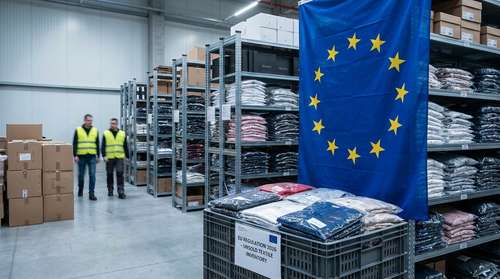
"We are not here to apologize for American prosperity," a senior administration official told reporters upon arrival. "We are here to ensure the global system works for American workers, or to build a new one that does." This aggressive posture aligns with the administration's recent expansion of reciprocal tariffs, which have reshaped supply chains and rattled markets from Brussels to Beijing.
WEF Report Warnings: The Age of 'Geoeconomic Confrontation'
The atmosphere in Davos is already charged following the release of the WEF's annual Global Risks Report on Wednesday. The report paints a grim picture of the global business outlook 2026, with 18% of surveyed experts citing "geoeconomic confrontation" as the top short-term risk—surpassing even climate change and cyber insecurity.
The report warns that the era of cooperative globalization has effectively ended, replaced by a fractured landscape where trade, finance, and technology are increasingly weaponized. "Multilateralism is in retreat," the report notes, highlighting how protectionist policies and strategic industrial competition are driving a wedge between major powers. For the Davos crowd, usually optimistic about globalization, the report serves as a stark reality check regarding the geoeconomic confrontation unfolding in real-time.
The AI Dominance Race and IPO Fever
Beyond trade wars, the other major battlefront at Davos 2026 is Artificial Intelligence. The U.S. delegation is keen to cement American leadership in the sector amidst a projected "mega-wave" of technology listings. Market analysts are closely watching AI IPO market trends, with widespread speculation that 2026 will see record-breaking public debuts from industry giants like Anthropic.
Commerce Secretary Howard Lutnick is expected to host a closed-door roundtable with top tech CEOs to discuss regulatory frameworks that favor U.S. innovation while curbing foreign competition. The administration's stance is clear: AI is not just a commercial engine but a national security asset. This week's discussions will likely focus on restricting the flow of advanced chips and models to strategic rivals, further fueling the fragmentation the WEF warns against.
A New Order or Global Disorder?
The contrast between the WEF's traditional call for "cooperation in a fractured world" and the Trump administration's bilateral deal-making approach could not be starker. European leaders are reportedly scrambling to present a united front, fearing that the Trump Davos delegation will use the summit to peel off individual nations for preferential trade deals, effectively bypassing the EU bloc.
As the summits begin, the mood in the Congress Centre is one of apprehension. Business leaders are navigating a minefield of sanctions, tariffs, and political litmus tests. With the World Economic Forum news cycle dominated by the prospect of a deepening trade war, the question for the global elite is no longer how to save globalization, but how to survive the new order of economic nationalism.