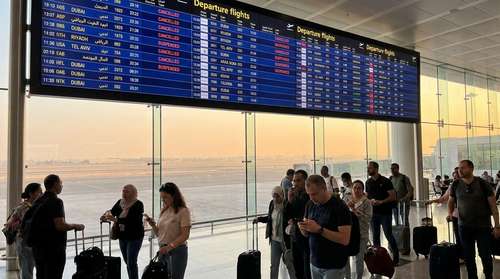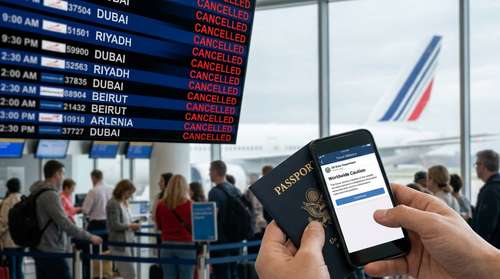
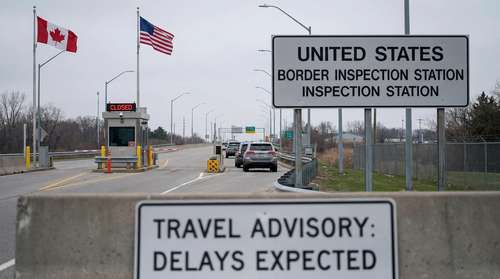
In a historic contraction of cross-border commerce, Canadian travel to US destinations has plummeted by 25 percent, draining billions of dollars from the American economy. A comprehensive Statistics Canada travel report released this week outlines the severe economic blowback from soured diplomatic relations, the latest round of Trump tariffs Canada is facing, and highly controversial political rhetoric. With millions of Canadians collectively keeping their wallets closed to their southern neighbor, the resulting US tourism industry loss has triggered an unavoidable crisis for local economies historically reliant on northern visitors. The staggering numbers confirm what many in the travel sector have feared for over a year: political rhetoric has measurable, devastating financial consequences for everyday businesses.
The Genesis of the Canada Travel Boycott
The staggering decline in visitation is rooted in a homegrown, grassroots Canada travel boycott that began gaining massive traction in 2025. The diplomatic fracture accelerated when President Donald Trump and U.S. Ambassador to Ottawa Pete Hoekstra repeatedly suggested that Canada could become America's "51st state".
According to the late-July 2026 data, Canadians made just 29.1 million trips to the United States last year, representing a steep drop from the 39 million recorded the previous year. Analysts Laura Presley and Carter McCormick from Canada's national statistical office noted that "Canadian travel sentiment shifted abruptly" following the implementation of aggressive America First policies.
This conscious consumer pullback has dealt a swift and punishing blow, contributing to a devastating US hospitality industry impact. Hotels, restaurants, and resort towns that have spent decades catering to Canadian snowbirds and summer road-trippers are now facing unprecedented seasonal vacancies.
State-Level Fallout and Generational Divides
The economic absence is being deeply felt from the northern border towns all the way down to the sunbelt. Tourism boards from states like California and Nevada have scrambled to launch charm offensives aimed at luring their northern neighbors back. Earlier this year, promotional campaigns like "California wouldn't be California without Canada" hit the airwaves, while Las Vegas tourism officials actively traveled north to reassure potential visitors.
Interestingly, data reveals a generational split in the boycott's enforcement. While Baby Boomers and older demographics remain steadfast in their refusal to cross the border, some Gen Z travelers have shown a higher willingness to visit the United States, citing unique entertainment options and a desire for affordable weekend getaways. However, this younger demographic's spending power is not nearly enough to offset the broader macroeconomic losses.
New Tariffs Threaten a Fragile Summer Recovery
While there were modest signs of a slight recovery in auto border crossings during the early summer months, recent political maneuvers have effectively poured cold water on any returning goodwill. On July 20, 2026, the White House introduced a fresh wave of trade hostilities, imposing aggressive 50 percent tariffs on major Canadian exports.
These new levies target a broad array of goods, ranging from automotive and dairy products to wine, cement, and even hockey sticks. This renewed trade war is widely expected to further entrench the boycott mentality just as peak summer travel season hits its stride. Travel analysts note that for every headline about new punitive border levies, a corresponding wave of vacation cancellations sweeps through American booking systems.
A Dramatic Reallocation of Tourism Wealth
It is important to understand that Canadians haven't stopped traveling; they have simply changed their coordinates. The staggering $3.3 billion CAD ($2.3 billion USD) that evaporated from the U.S. economy has been swiftly redirected elsewhere. The financial windfall from the ongoing boycott has largely been absorbed by Canada's own domestic tourism sector, as well as European and Asian markets.
The 2026 national report highlighted that the shortfall in U.S. visits was almost entirely offset by a boom in domestic exploration. Canadians took an additional five million trips within their own borders, opting to spend their leisure dollars supporting local economies from British Columbia to the Maritimes.
Simultaneously, international flights bypassing the United States are operating at near capacity. Leisure travelers are increasingly choosing trans-oceanic adventures, with Canadian travel spending in overseas markets ballooning to over $81 billion CAD. Statistics show trips to Asia jumping by 16.7 percent year-over-year, and travel to Europe rising by 13.6 percent.
This decisive pivot clearly illustrates that the modern tourist is voting with their passport. When faced with a political climate they view as hostile, travelers are proving they will readily endure longer flights and navigate different time zones rather than support an economy whose leadership devalues their nation's sovereignty.
The Long-Term Outlook for Cross-Border Travel in 2026
The ongoing refusal of Canadians to vacation in the United States highlights a structural crisis for the broader American tourism ecosystem. Canada has historically been the single largest source of inbound international visitors to the U.S., accounting for roughly a quarter of all foreign tourists prior to the current diplomatic fallout.
With the current geopolitical climate offering no immediate off-ramp, the damage to American tourism could take years to repair. Industry leaders are voicing deep concerns that an entire generation of Canadian travelers—who historically viewed U.S. road trips and weekend shopping getaways as cultural rites of passage—are now building enduring loyalties with entirely different global destinations.
Unless diplomatic relations undergo a massive and unexpected course correction, the reality of cross-border travel 2026 remains undeniably bleak for American business owners. The latest economic data sends a clear, uncompromising message: respect and reliable trade relations are the unwritten currency of international tourism, and right now, the exchange rate is firmly working against the United States.