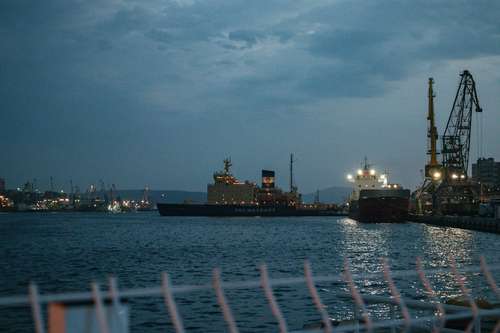
In a dramatic escalation of maritime tensions, the United States military, supported by British forces, has seized the Russian-flagged oil tanker Bella-1 in the North Atlantic. The vessel, which had recently been renamed the Marinera in an apparent attempt to evade detection, was intercepted Wednesday near Iceland following a multi-week pursuit. US European Command confirmed the operation, stating the ship was detained for flagrant violations of international sanctions and US maritime law involving the illicit transport of Venezuelan oil.
High-Stakes Pursuit Across the Atlantic
The seizure marks the culmination of a tense cat-and-mouse game that began in the Caribbean in late December. According to US officials, the Bella-1 was identified as part of the "shadow fleet"—a network of aging vessels used by regimes in Russia, Iran, and Venezuela to bypass Western oil sanctions. The tanker had initially refused a US Coast Guard order to stop near Venezuela, fleeing into open waters where it began a desperate voyage toward Europe.
During the pursuit, the vessel's crew reportedly painted over its original name and hoisted a Russian flag, re-registering the ship as the Marinera mid-voyage. However, the US Coast Guard Cutter Munro maintained constant tracking. The final interdiction took place in international waters between the UK and Iceland. The UK Ministry of Defence confirmed that Royal Air Force P-8 Poseidon aircraft provided critical surveillance support, allowing US boarding teams to secure the vessel without casualties.
Moscow Condemns "Act of Piracy"
The reaction from the Kremlin was swift and furious. On Thursday morning, Russia's Ministry of Transport issued a blistering statement accusing the United States of violating the 1982 UN Convention on the Law of the Sea (UNCLOS). Moscow argues that because the ship was duly registered under the Russian flag at the time of seizure, the US had no legal right to board it in international waters.
"This constitutes a breach of maritime law and an act of state-sanctioned piracy," a Kremlin spokesperson said, warning of "lasting consequences" for security in the North Atlantic. Reports suggest Russia had deployed a submarine to the region to escort the tanker, though US officials stated no Russian naval assets were in the immediate vicinity during the boarding operation. The diplomatic fallout threatens to further strain the already fragile relations between Washington and Moscow.
Legal Justification and Sanctions Enforcement
Washington has dismissed Russia's claims, arguing the vessel was effectively "stateless" when the pursuit began. White House Press Secretary Karoline Leavitt told reporters that the mid-voyage reflagging was a fraudulent maneuver designed solely to escape justice. "Changing a flag while fleeing law enforcement does not grant immunity," Leavitt stated. She confirmed that the crew could face prosecution in the United States for their role in the sanctions evasion scheme.
The Shadow Fleet and Global Oil Markets
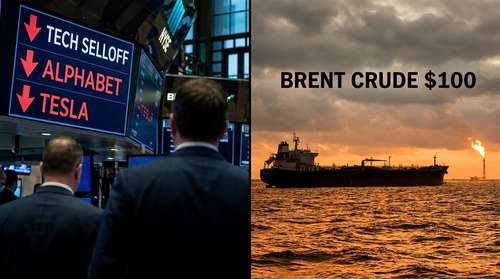
This incident shines a spotlight on the growing challenge of the "shadow fleet," which experts estimate moves millions of barrels of sanctioned crude annually. The seizure of the Bella-1 coincided with a separate operation in the Caribbean, where US forces detained another tanker, the M/T Sophia, also linked to illicit Venezuelan oil trade. These twin operations signal a more aggressive US posture in 2026 toward dismantling the logistics networks of sanctioned regimes.
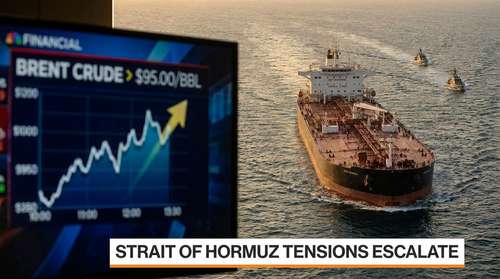
Analysts predict this aggressive enforcement could send ripples through the global oil market. "The message to the shadow fleet is clear: the Atlantic is no longer a safe harbor," said maritime security analyst Dr. Elena Costa. "If the US is willing to board Russian-flagged vessels near Europe, the risk premium for illicit oil transport just skyrocketed." As the Bella-1 is towed to a US-allied port for processing, the world watches to see if Russia will retaliate beyond diplomatic protests.