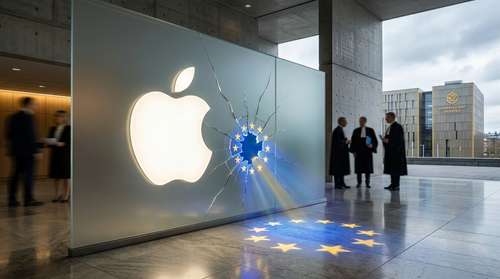
In a monumental blow to one of the world's most valuable companies, Apple has lost its high-stakes legal battle against the European Union. On July 8, 2026, the EU’s General Court in Luxembourg formally dismissed the tech giant's challenge to overturn its regulatory designation under the bloc's sweeping digital competition laws. This Apple EU court loss cements the company's status as a regulated "gatekeeper," ensuring that its historically closed software ecosystem must remain open to competitors. The ruling reinforces the power of the Digital Markets Act (DMA) and sets a formidable precedent for how Big Tech operations will be governed across Europe moving forward.
For years, Apple has maintained strict control over its software and hardware integration, citing user safety. However, the European Commission's introduction of the Digital Markets Act gatekeeper provisions forced a radical shift. The legislation mandates that tech companies with massive market influence cannot use their dominance to stifle competition. Under these rules, Apple was ordered to permit alternative payment methods, rival hardware interoperability, and accommodate iOS third party app stores Europe operations. Unwilling to concede its tightly controlled ecosystem without a fight, Apple launched a multi-pronged legal counteroffensive. Now, those efforts have hit a massive judicial roadblock.
The Apple App Store DMA Ruling: One Unified Platform
A central pillar of Apple’s defense relied on a technical argument about how it operates its digital storefronts. The company argued that it does not run a single, monolithic App Store. Instead, it claimed to operate five distinct, device-specific marketplaces: one each for the iPhone, iPad, Mac, Apple Watch, and Apple TV. By splitting the numbers, Apple hoped to avoid meeting the strict user threshold that triggers the DMA's harshest requirements.
The EU General Court Apple decision firmly rejected this strategy. The judges concluded that despite being accessed on different devices, all versions of the App Store serve the exact same fundamental purpose: connecting software developers with end users. By viewing these storefronts collectively, the court affirmed the European Commission's initial assessment that Apple operates a single "core platform service". This crucial distinction means the Apple App Store DMA ruling stands intact, legally obligating the company to allow developers to distribute software outside its proprietary channels and bypass its controversial commission fees.
Breaching the Walled Garden: Security Concerns Dismissed
Another major thrust of the appeals centered on the mandatory interoperability requirements imposed by Brussels. The DMA forces Apple to ensure that rival hardware, such as third-party smartwatches and wireless earbuds, can connect and function with iPhones just as seamlessly as Apple’s own products.
Apple has long defended its closed ecosystem by arguing that strict control is necessary to protect user privacy and device security. During the appeal, the company asserted that the DMA's mandates were unlawful and disproportionate, warning that forced interoperability would degrade the user experience and expose consumers to malicious actors.
The Luxembourg judges tossed out these arguments, ruling against Apple on procedural grounds. The court stated that the interoperability requirements are inherent to the gatekeeper designation itself. Consequently, the Apple walled garden antitrust defense failed to persuade the judiciary to roll back the regulations, leaving the strict tech rules in place.
The iMessage Dispute Ruled Inadmissible
While the App Store and iOS took center stage, Apple also attempted to preemptively shield its native texting platform, iMessage, from the regulatory crosshairs. The European Commission had previously classified iMessage as a "number-independent interpersonal communications service". Fearing this label would eventually force iMessage to become interoperable with rival messaging apps like WhatsApp or Signal, Apple asked the court to annul the classification.
The General Court refused to even consider the merits of this specific claim, declaring it "inadmissible". The judges noted that the Commission had already concluded a separate market investigation earlier in the year without officially designating iMessage as a gatekeeper service. Because the classification alone did not impose any binding legal obligations or alter Apple's current regulatory standing, the court ruled there was nothing to challenge. For now, iMessage remains exempt from the DMA's interoperability mandates, though the dismissal offers Apple no permanent legal immunity if market conditions change.
What Comes Next for Apple in Europe?
The immediate fallout from the July 8 ruling is stark. Apple must continue complying with the DMA or face catastrophic financial penalties. European regulators have the authority to levy fines of up to 10% of a gatekeeper's total worldwide annual turnover for non-compliance, a figure that could amount to tens of billions of dollars for a company of Apple's size.
In a statement responding to the judgment, an Apple spokesperson expressed deep disappointment. "We firmly believe the DMA's mandate goes beyond what is lawful and proportionate, threatening to erode decades of privacy and security protections we've built and leaving our users vulnerable to new risks," the company stated, adding that it will continue to advocate for its European customers.
While this comprehensive defeat before the General Court closes a major chapter in the Apple antitrust lawsuit 2026 saga, the legal battle is not entirely over. Apple retains the right to launch a final appeal before the Court of Justice of the European Union, the bloc's highest legal authority. However, any such appeal must be strictly limited to points of law rather than a re-examination of the facts. Until then, the era of forced open markets on iOS is officially the new normal across the European continent.