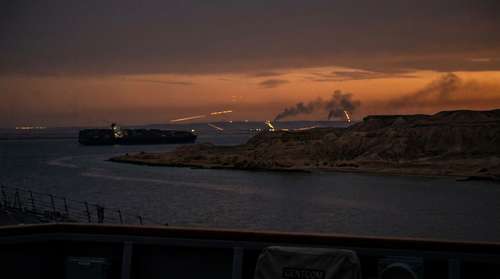
The Middle East is bracing for a dramatic escalation in hostilities after the United States and Iran traded heavy bombardments for a second consecutive night. Following direct orders from the Oval Office, U.S. Central Command struck a series of Iranian air defenses, surveillance stations, and communication hubs. This latest round of military action officially marks the US Iran ceasefire collapse, shattering the fragile diplomatic truce that had been holding since April.
Now, global energy markets and regional security face renewed jeopardy as the conflict intensifies into mid-2026. The immediate trigger for this rapid deterioration was the downing of a U.S. Army Apache helicopter over the Gulf earlier this week. While a drone boat managed to rescue the helicopter's crew safely, the incident served as the spark that ignited a powder keg. In response to what the administration labeled unjustified Iranian aggression, American forces initiated a widespread campaign of kinetic action.
The Apache Incident and CENTCOM Airstrikes Iran Targets
President Donald Trump quickly authorized extensive CENTCOM airstrikes Iran positions, targeting critical military infrastructure in southern port cities. Early reports indicated that radar sites and ground control stations in areas like Bandar Abbas and Kangan sustained heavy damage. The objective, military officials stated, was to severely degrade the Islamic Republic's capacity to threaten maritime navigation and launch retaliatory drone strikes. By Thursday morning, the Pentagon confirmed that a second wave of sophisticated nighttime operations had been completed, systematically dismantling elements of Iran's coastal defense network using dozens of Tomahawk missiles.
"Negotiate With Bombs": Pete Hegseth Outlines U.S. Strategy
The administration has adopted a highly aggressive posture as peace negotiations falter over disagreements regarding uranium enrichment and sanction relief. Speaking after a briefing at CENTCOM headquarters in Tampa, Florida, Defense Secretary Pete Hegseth did not mince words regarding the administration's approach to the stalled talks. Accusing Tehran of dragging out diplomatic efforts while tapping at American patience, Hegseth noted that the time for restraint had expired.
"If we need to negotiate with bombs, we'll negotiate with bombs, and we're very good at it," Hegseth told reporters on Wednesday. The controversial Pete Hegseth Iran negotiate with bombs rhetoric underscores a sharp pivot in Donald Trump Middle East policy. The administration is shifting away from high-level diplomacy in favor of using sheer kinetic force to compel concessions. Hegseth reiterated that American forces would hit key Iranian facilities hard until a comprehensive deal is reached, arguing that unpredictability and overwhelming firepower are necessary to secure American interests.
Retaliation and the Strait of Hormuz Closed to Global Shipping
Tehran has not remained passive during the American onslaught. Following the U.S. bombardments, the Islamic Revolutionary Guard Corps (IRGC) retaliated by targeting American military outposts across the region. Early Thursday, Kuwait and Bahrain reported incoming strikes, with both nations activating their respective air defense systems. Simultaneously, the Jordanian military successfully intercepted 20 Iranian missiles bound for an area hosting an American military base, averting what could have been a mass casualty event that would have forced an even deadlier American response.
Far more alarming for the global economy is the ensuing maritime crisis. In retaliation for the American strikes, the IRGC Navy officially declared the Strait of Hormuz closed to all commercial shipping. Explosions were reported near the strategic waterway, and Iranian forces claimed to have struck two vessels attempting to pass through the newly imposed blockade. Because a massive portion of the world's daily oil consumption passes through this narrow chokepoint, the Strait of Hormuz closed status threatens to send international markets into a tailspin, exacerbating concerns over energy inflation and massive supply chain disruptions.
The Future of Donald Trump Middle East Policy and the 2026 Iran War
As the US strikes Iran 2026 campaign enters its most volatile phase since the conflict first erupted in late February, the path forward remains highly uncertain. Trump has repeatedly framed his strategy as a necessary show of overwhelming strength to secure a final peace agreement. Yet, the rapid escalation this week proves how quickly deterrence can transform into open, uncontrollable warfare. Both sides are currently testing the limits of their military endurance, and geopolitical analysts warn that Trump Iran war news will thoroughly dominate the international landscape for the foreseeable future.
For now, the overarching question remains whether these intensified bombardments will force Tehran back to the negotiating table or push the entire Middle East into an irreversible regional war. With the April ceasefire officially dead, the next few days will be critical in determining whether diplomatic back-channels can extinguish the flames, or if the region will be consumed by further devastation.