In a move that has sent shockwaves through global financial markets, President Donald Trump has issued a sweeping executive ultimatum that effectively reignites the global trade war. On Monday, January 12, the President announced via Truth Social that any nation continuing to conduct business with the Islamic Republic of Iran will immediately face a 25% tariff on all goods exported to the United States. This aggressive escalation in US trade policy 2026 marks a decisive shift from the fragile stability established late last year and forces major economic powers like China, India, and the UAE to choose between the Iranian market and the American consumer.
The Truth Social Ultimatum: "Final and Conclusive"
The announcement came with little warning, bypassing traditional diplomatic channels in favor of a direct social media proclamation. Writing on his Truth Social platform, President Trump declared, "Effective immediately, any Country doing business with the Islamic Republic of Iran will pay a Tariff of 25% on any and all business being done with the United States of America. This Order is final and conclusive."
This "with us or against us" economic doctrine targets a wide net of global commerce. Unlike previous sanctions that targeted specific entities, this policy applies a blanket 25% tariff Iran-related penalty on entire nations. The White House has framed this as a necessary response to Tehran's brutal crackdown on recent anti-government protests, which rights groups estimate have claimed nearly 600 lives. However, the economic ramifications extend far beyond the Middle East, directly threatening the supply chains of the world's largest economies.
China-US Trade Truce on the Brink of Collapse
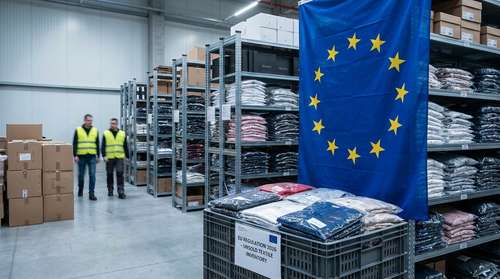
The most immediate casualty of this new directive appears to be the tenuous China US trade truce brokered in October 2025. That agreement, which saw Beijing resume soybean purchases and suspend restrictions on rare earth minerals in exchange for tariff reductions, is now in jeopardy. China remains Iran's largest trading partner and top oil purchaser, defying unilateral US sanctions.
Beijing's response was swift and sharp. A spokesperson for the Chinese embassy in Washington condemned the move as "illicit unilateral sanctions and long-arm jurisdiction," warning that China would take "all necessary measures" to safeguard its interests. Analysts fear that if the US imposes these tariffs on Chinese goods—which had recently seen duties drop to around 30%—Beijing will retaliate by reinstating export bans on critical minerals essential for US tech and defense sectors, effectively restarting a full-scale global trade war.
India and UAE Caught in the Crossfire
The policy also places strategic US partners in a precarious position. India, which counts Iran as a key market for basmati rice, tea, and pharmaceuticals, is already grappling with high US tariffs imposed earlier in Trump's second term. With Indian exports to the US already facing hurdles, an additional 25% levy could devastate sectors that rely on American buyers. Trade experts note that India's historic ties with Tehran, including the development of the Chabahar Port, are now direct liabilities under the new US framework.
Similarly, the United Arab Emirates, a hub for regional re-exports and global finance, faces a dilemma. The UAE has maintained pragmatic economic ties with Tehran despite geopolitical tensions. The international market impact for Dubai's logistics and banking sectors could be severe if the US enforces the tariff strictly against Emirati firms facilitating trade across the Persian Gulf.
The Trigger: Crisis in Tehran
While the economic consequences are global, the catalyst is local. Iran has been rocked by its most significant anti-government protests in years, sparked by economic despair and political repression. President Trump cited the regime's violent suppression of these demonstrations as the moral justification for the economic hammer blow. "We will not subsidize the oppression of the Iranian people through weak trade deals," a White House source stated on condition of anonymity.
Global Markets React with Volatility
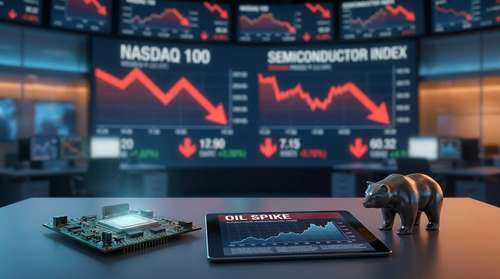
Financial markets opened Tuesday with significant volatility. Asian indices tumbled as investors priced in the cost of a renewed trade conflict, while oil prices surged on fears of supply disruptions from the Persian Gulf. The Truth Social business news cycle has once again proven to be a primary driver of market sentiment, with traders glued to the President's feed for clarity on implementation.
As the administration moves to enforce this order, the world awaits to see if major trading powers will capitulate to Washington's demands or band together to resist what they view as economic coercion. For now, the era of predictable trade relations seems officially over.