Global markets are bracing for impact as the Trump Iran deadline fast approaches tonight. With the conflict now entering its second grueling month, President Donald Trump has issued a stark 8 p.m. ET Tuesday ultimatum to Tehran: guarantee a permanent Strait of Hormuz reopening or face unprecedented military strikes on both civilian and military infrastructure. This tense standoff follows a dramatic rescue of downed American airmen over the Easter weekend and a collapsed diplomatic effort, pushing the already volatile region to the brink of full-scale devastation.
The Tuesday Night Ultimatum and Unprecedented Threats
President Trump has left little room for misinterpretation regarding his administration's intentions if Iranian authorities fail to lift their vessel restriction policy. Escalating his rhetoric in an expletive-laden post on Truth Social on Easter morning, the president warned that Tuesday would become "Power Plant Day, and Bridge Day, all wrapped up in one". These specific Trump infrastructure threats have triggered alarm bells across the international community, as he promised to decimate every major bridge in Iran by midnight if his demands remain unmet.
Human rights experts and the United Nations have swiftly condemned the rhetoric. Targeting power grids, water facilities, and transportation networks falls directly under the classification of "dual-use" civilian infrastructure. Legal scholars warn that destroying these assets constitutes a severe violation of the Geneva Conventions. When questioned by reporters about the legality of such widespread strikes, Trump dismissed the warnings, asserting that he is "not at all" concerned about committing war crimes, arguing that his primary objective is to force Iran's hand.
Daring Rescue Mission Amid Hostile Fire
The latest wave of US Iran military escalation was heavily influenced by a harrowing, large-scale search-and-rescue operation behind enemy lines. On Friday, an American F-15E Strike Eagle was brought down by an Iranian heat-seeking, shoulder-fired missile. While the pilot was quickly recovered during daylight hours, the weapon systems officer—identified by officials as a respected colonel—spent more than 24 hours evading hostile forces in rugged, mountainous terrain with only a handgun for self-defense.
Military officials, including Defense Secretary Pete Hegseth and Joint Chiefs Chairman Gen. Dan Caine, revealed on Monday that the extraction was one of the most complex combat search missions ever attempted. The operation ultimately required over 175 aircraft, hundreds of military personnel, and the deployment of more than 200 munitions. During the intense suppression of enemy fire, a U.S. A-10 Thunderbolt II was severely damaged while communicating with the downed airman, forcing its pilot to safely eject in a neighboring country. This successful, albeit costly, rescue has visibly emboldened the White House's aggressive negotiating posture.
Ceasefire Hopes Shattered by Tehran's Defiance
Despite the massive show of American aerial superiority, diplomatic channels are rapidly deteriorating. Over the weekend, Pakistan attempted to mediate a 45-day truce that would pause the bombing campaigns and resume global shipping. However, the proposal collapsed entirely, cementing a formal Iran ceasefire rejection. Iranian leaders not only dismissed the American ultimatum as "delusional" but openly mocked Washington's demands, with officials callously joking that they had "lost the keys" to the crucial waterway.
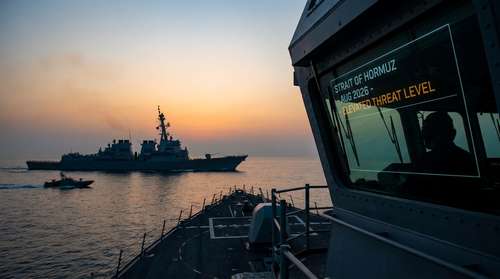
If you are closely following the Iran war news today, Tehran's counter-demands are unmistakable. Iranian leadership insists that the strategic shipping lane will remain restricted until the nation receives substantial financial compensation for war damages sustained since the joint U.S.-Israeli strikes initiated the conflict on February 28. Furthermore, Iran's Foreign Ministry issued a bleak warning that any breach of their territorial waters would immediately become a "graveyard for invaders". To compound the threat, Iranian military commanders have suggested they may expand their blockade to include the Bab el-Mandeb Strait, threatening another vital artery of global trade.
Economic Shockwaves and Global Oil Concerns
The prolonged closure of the world's most critical energy chokepoint has sent crippling shockwaves through international markets. The direct link between the oil market Iran conflict and domestic inflation is undeniable, with American consumers already seeing average gasoline prices surge past $4 a gallon. With roughly a fifth of global oil consumption typically passing through the Persian Gulf, the supply chain disruption is severely testing the patience of allied nations reliant on these Middle Eastern energy exports.
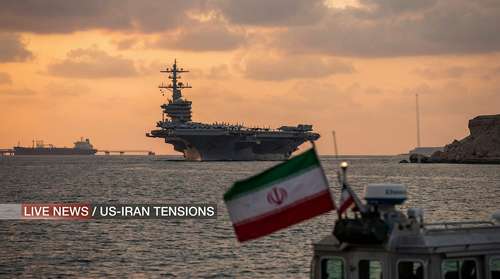
As the 8 p.m. ET deadline inches closer, global observers are watching anxiously to see who will blink first. Whether this standoff results in a catastrophic aerial bombardment or an eleventh-hour diplomatic breakthrough, the implications for global maritime trade, Middle Eastern stability, and international law will resonate for years to come. For now, the world holds its breath as both nations move their military assets into final, unyielding positions.