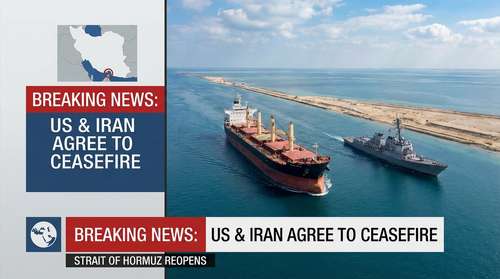
In a dramatic reversal that temporarily halts the escalating conflict in the Middle East, President Donald Trump has backed down from an apocalyptic military ultimatum against Tehran, agreeing to a 14-day pause in hostilities. The last-minute Trump Iran ceasefire averts a massive U.S. bombing campaign that was set to obliterate Iranian power plants, bridges, and infrastructure. Announced late Tuesday evening—just shy of an 8 p.m. Eastern deadline—the agreement hinges on the immediate reopening of the Strait of Hormuz, a critical global energy artery.
This rapid pivot stands out as a defining moment in recent US Iran war news 2026. Earlier in the day, the rhetoric had reached a boiling point when Trump warned on Truth Social that "a whole civilization will die tonight" if Tehran refused to capitulate. Tensions were so high that the Iranian regime had urged young citizens to form human chains around domestic power stations. However, frantic diplomatic efforts successfully de-escalated the situation, bringing both sides to the negotiating table.
Pakistan Mediation Averts Widespread Regional Destruction
The sudden diplomatic breakthrough is largely credited to intensive maneuvering by Islamabad. Pakistan mediation Iran proved crucial, with Pakistani Prime Minister Shehbaz Sharif and Army Chief General Asim Munir personally intervening to pull the warring nations back from the brink. Sharif publicly requested that Trump extend his looming deadline, asking for a two-week window to "allow diplomacy to run its course" and prevent a devastating regional fallout.
Before the agreement was formally announced, U.S. B-52 bombers were reportedly already en route to their targets. The planned infrastructure strikes had drawn severe warnings from international leaders, legal scholars, and the UN, who cautioned that targeting civilian utilities could constitute war crimes. Just hours prior, the U.S. and Israel had ramped up their offensive, striking the Iranian oil export hub of Kharg Island and various railway systems. Instead of total devastation, the 11th-hour Pakistani intervention secured a critical pause, marking a significant victory for regional stability.
Strait of Hormuz Opening Calms Panicked Global Markets
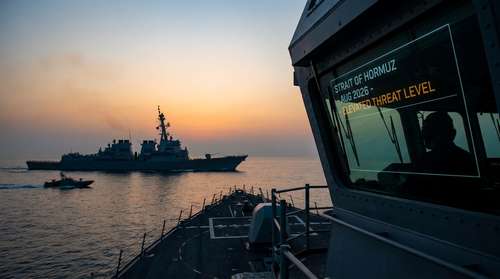
A strict, non-negotiable condition of the new truce is the complete and safe Strait of Hormuz opening. The narrow waterway, which accommodates roughly a fifth of the world's global energy supply, has been effectively blockaded since the war began over five weeks ago in late February. The maritime blockade severely choked international shipping lanes, slowing cargo traffic to a trickle and sending economic shockwaves worldwide.
Immediate Impact on Oil Prices
The news of a suspension in military strikes delivered immediate, tangible relief to the global economy. As soon as the ceasefire conditions were made public, oil futures plummeted. The U.S. crude oil benchmark, West Texas Intermediate (WTI), dropped by more than 9% in just half an hour, falling to around $96 a barrel. While prices remain higher than their pre-war baseline, this rapid Middle East de-escalation signals renewed investor confidence that a prolonged energy crisis can be avoided.
Exploring the Trump Peace Plan for Iran
With bombers grounded and the deadline passed, the international focus now shifts to the diplomatic arena. The White House indicated that Tehran submitted a comprehensive 10-point proposal, which Trump publicly characterized as a "workable basis on which to negotiate". He celebrated the development online, declaring a "double sided CEASEFIRE" and expressing optimism about achieving a definitive, long-term agreement.
Iranian Foreign Minister Abbas Araghchi confirmed Tehran's compliance, provided the U.S. strictly halts all offensive military operations. The Iranian Supreme National Security Council announced that formal negotiations detailing the specifics of the Trump peace plan Iran are scheduled to begin this Friday in Islamabad. These high-stakes talks, which may last up to 15 days, are expected to address critical issues including transit protocols through the strait, potential economic sanctions relief, and the broader withdrawal of U.S. combat forces from regional bases.
Implications for Trump's Foreign Policy Strategy
This unprecedented standoff and subsequent ceasefire highlight a high-stakes, highly volatile chapter in Trump foreign policy. By pushing adversaries to the absolute limit before agreeing to mediated peace talks, the administration is employing a maximum pressure strategy designed to force rapid concessions on the global stage. Critics argue the brinkmanship unnecessarily risks global catastrophe, while supporters claim the aggressive posturing is exactly what forced Tehran to present a workable peace proposal.
As the international community watches closely, the next 14 days will test the resilience of both American demands and Iranian resolve. The world waits to see if this temporary pause can evolve into a permanent resolution, finally bringing an end to weeks of devastating warfare and geopolitical uncertainty.