As of April 13, 2026, global markets are experiencing massive turbulence. Following the dramatic US Iran peace talks collapse over the weekend, the latest Strait of Hormuz blockade news has sent international energy markets into an unprecedented frenzy. Crude oil prices spiked over 8% early Monday after President Donald Trump directed the US Navy to immediately blockade Iranian ports and critical shipping lanes. With tanker traffic screeching to a halt and equity indexes plummeting, investors are bracing for the devastating ripple effects of an escalating geopolitical crisis and the very real threat of a global stock market crash 2026.
The Catalyst: US Iran Peace talks Collapse in Islamabad
After 21 hours of marathon negotiations in Pakistan, Vice President JD Vance announced that direct diplomacy had failed. The talks aimed to end the weeks-long Middle Eastern conflict under a temporary, Pakistani-mediated ceasefire. However, the diplomatic breakdown occurred when Tehran refused to yield to demands regarding its nuclear program, a core requirement for Washington. The US Iran peace talks collapse immediately triggered a hardline response from the Trump administration, effectively wiping out the geopolitical optimism that had temporarily stabilized markets last week.
In the aftermath of the failed negotiations, President Trump stated that the United States would not tolerate Iran's nuclear ambitions or allow the nation to profit from international trade while the conflict remains unresolved. This aggressive shift in foreign policy dashed any hopes of a swift return to pre-war commercial shipping conditions.
CENTCOM Implements the Naval Blockade
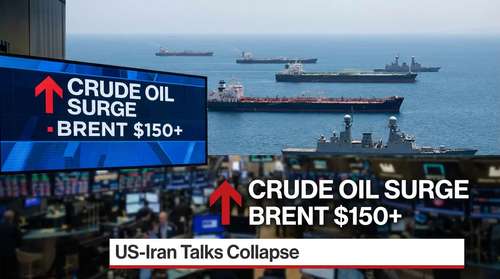
In a swift response to the failed Islamabad negotiations, President Trump ordered a complete naval interdiction of any vessels attempting to enter or leave Iranian ports. US Central Command (CENTCOM) confirmed the naval blockade goes into full effect at 10:00 a.m. EDT on Monday. According to Lloyd's List, a leading maritime intelligence provider, shipping through the crucial maritime chokepoint halted almost immediately after the announcement.
This narrow waterway handles nearly one-fifth of global oil and liquefied natural gas (LNG). With the passage functionally paralyzed, the Strait of Hormuz blockade news is driving immense volatility across trading floors. Energy experts warn that the blockade could remove an estimated 2 million barrels per day from the global supply chain, worsening an already strained international grid that has lost substantial volume since late February.
Crude Oil Price Surge April 2026: By the Numbers
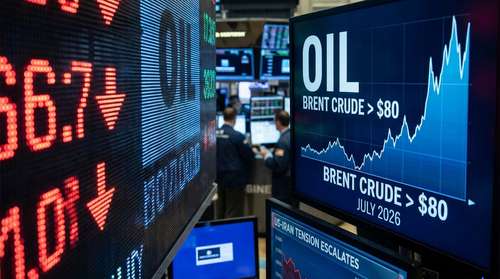
The immediate consequence of the naval directive has been a historic crude oil price surge April 2026. As of early Monday morning, US benchmark West Texas Intermediate (WTI) leaped over 8.2% to hit $104.57 per barrel. Concurrently, the Brent crude oil price live dashboard displayed international benchmarks surging by 8.36% to cross $103.16 per barrel.
Commodities analysts note that prices had dropped near $95 on Friday in anticipation of a peaceful resolution. Monday's whiplash was particularly brutal for traders who had priced in a de-escalation. Adding to the panic, European gas futures spiked almost 18% at one point during the morning trading session, reflecting deep anxiety over prolonged supply constraints.
Navigating the Energy Market Crisis Today
President Trump made it explicitly clear there will be \"no exceptions\" to the blockade, indicating that it applies equally to adversarial and allied vessels seeking to transport Iranian crude. This uncompromising stance magnifies the Trump Iran sanctions impact, threatening a wider economic and diplomatic dispute with major oil importers like China, which receives nearly half of its energy imports through these international waterways. Trump even threatened a 50% tariff on nations caught supplying military aid to Tehran.
The energy market crisis today is being further compounded by threats of asymmetric retaliation. The Islamic Revolutionary Guard Corps (IRGC) has issued stark warnings to the United States, insisting the strait remains under their control and vowing a forceful response to encroaching military forces. Some analysts project that if the blockade is protracted and military skirmishes occur, barrel prices could easily breach $110 to $150. Iranian officials have already taunted American consumers, predicting a swift return to $4 or $5 gas at the pump.
Equities Bleed: The Looming Global Stock Market Crash 2026
The sudden explosion in energy costs has severely spooked Wall Street and international bourses. S&P 500 and Nasdaq futures tumbled over 1.1%, while major Asian and Indian markets saw steep sell-offs. Equities are bleeding across major sectors, aside from domestic energy producers and defense contractors. Rising oil prices translate directly into higher manufacturing, logistics, and transportation costs. Should oil remain persistently elevated, central banks may be forced to halt interest rate cuts or even hike rates again to suppress a renewed inflationary wave.
Institutional investors are desperately fleeing risk-on assets, shifting capital into gold, government bonds, and safe-haven currencies. The growing consensus among financial analysts is that an extended disruption in the Persian Gulf significantly elevates the probability of a global stock market crash 2026. As nations scramble to secure alternative energy sources and adjust vulnerable supply chains, the economic fallout from this week's naval standoff will undoubtedly define the global financial landscape for the remainder of the year.