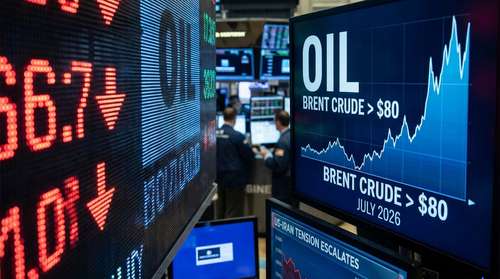
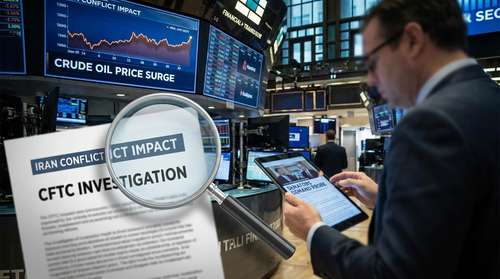
U.S. Senators Elizabeth Warren and Sheldon Whitehouse are demanding immediate accountability following highly suspicious activities in the energy futures market. On Friday, April 10, 2026, the lawmakers formally requested the U.S. Commodity Futures Trading Commission (CFTC) to launch a comprehensive investigation into massive, unusually timed oil commodity trades. These transactions occurred mere minutes before major executive policy shifts regarding the military conflict in Iran. As the crude oil price surge briefly pushed global benchmarks to a staggering $115 per barrel, concerns over blatant oil market insider trading have reached a boiling point in Washington.
The Mechanics of the Trump Oil Market Scandal
The controversy centers around two specific trading days: March 23 and April 7, 2026. According to the letter released by the lawmakers, anonymous traders executed enormous bets in the futures market immediately preceding major announcements by President Donald Trump. On March 23, trading volume spiked right before the White House announced a sudden delay in military strikes against Iranian energy infrastructure. This policy pivot came just days after the administration threatened to attack within 48 hours unless Iran opened the Strait of Hormuz—a vital global chokepoint for oil tankers.
A similarly suspicious pattern emerged on April 7. In the hours before the administration announced a surprise two-week ceasefire with Iran, traders placed aggressive bets on falling oil prices. Following the official announcement, oil and gas prices predictably plummeted. This undeniable correlation has sparked allegations of a Trump oil market scandal, suggesting that individuals with advance knowledge of nonpublic government and military intelligence leveraged that data to secure massive financial windfalls.
Inside the Elizabeth Warren Oil Probe
Senators Warren and Whitehouse argue that the precision and profitability of these trades cannot be dismissed as pure coincidence. The lawmakers have pointed out that this is becoming a recurring concern, referencing previous controversies surrounding policy announcements on Venezuela and tariff impositions. In their demand for a formal CFTC oil investigation 2026, the senators stated, "This pattern raises serious questions about whether there has been recurring misappropriation of nonpublic government information".
The Elizabeth Warren oil probe seeks to uncover whether administration officials or external actors with government connections used classified military strategies for personal gain. If proven true, these actions would violate federal law. Under the Insider Trading Sanctions Act of 1984, individuals found guilty of such offenses could face severe civil penalties—up to three times the amount of the profit gained—as well as criminal penalties including massive fines and up to 20 years in prison. Representative Ritchie Torres echoed these concerns, describing the trading activity as suspicious due to its "sheer speed, scale and structure".
Unmasking Commodity Market Manipulation
The call for action from Warren and Whitehouse is not an isolated effort. Just last week, Democratic Senators Mark Warner and Adam Schiff issued similar queries to the Securities and Exchange Commission (SEC) and the Defense Department Inspector General. This coordinated push underscores a growing consensus among lawmakers that commodity market manipulation must be aggressively policed, particularly when it intersects with national security and defense operations.
Navigating the Iran War Energy Impact
The ongoing geopolitical crisis has severely disrupted global markets. The Iran war energy impact has been felt globally, driving intense volatility that heavily influences consumer gasoline prices, international shipping, and broader inflationary pressures. When the crude oil price surge sent barrels to $115, legitimate hedgers, airlines, and everyday consumers were forced to bear the economic brunt of the conflict. In contrast, those executing these suspicious trades seemingly treated the geopolitical crisis as a guaranteed payday.
CFTC Enforcement Director David Miller acknowledged late last month that the regulatory agency was actively monitoring the oil futures market for unusual activity, though he declined to comment on the specific launch of formal investigations. Meanwhile, the White House has publicly denied any wrongdoing, stating that all staff were explicitly warned against leveraging inside information.
What the CFTC Oil Investigation 2026 Could Uncover
The highly lucrative nature of these commodity trades demands rigorous regulatory scrutiny. The CFTC has the authority and the surveillance tools necessary to trace the origins of these transactions and identify the individuals or corporate entities behind them. Unmasking the beneficiaries of these trades will be essential to maintaining the integrity of the U.S. financial system.
As the Middle East conflict continues to shape global economic conditions, lawmakers are determined to ensure that the fog of war does not serve as a smokescreen for illicit profiteering. The financial world now watches closely to see if the regulatory watchdog will take definitive action, ensuring that no one is allowed to illegally profit from sensitive military intelligence.