
Prediction market leaders Kalshi and Polymarket are reportedly in early talks to raise capital at valuations nearing $20 billion, a staggering leap that underscores their transformation from niche betting platforms into essential financial infrastructure. The potential funding rounds, first reported by the Wall Street Journal, come as institutional investors aggressively seek exposure to "event contracts"—now widely viewed as critical tools for hedging against escalating geopolitical instability in the Middle East.
The $20 Billion Valuation Race
According to sources familiar with the matter, both Kalshi and Polymarket are exploring fresh capital injections that would effectively double their valuations from late 2025. For Kalshi, the $20 billion target represents a rapid ascent from its $11 billion valuation in December 2025, when it raised $1 billion from heavyweights like Paradigm and Sequoia Capital. Polymarket, which was valued at roughly $9 billion in October 2025 following a landmark investment from the Intercontinental Exchange (ICE), is matching this pace, leveraging its dominance in decentralized forecasting.
The simultaneous surge in valuation reflects a broader shift in financial technology innovation. No longer seen merely as novelties for election betting, these platforms are processing record volumes—reportedly approaching a combined $40 billion annually—as traders use them to price in risks that traditional derivatives markets struggle to capture efficiently.
Geopolitical Forecasting Tools in a Volatile World
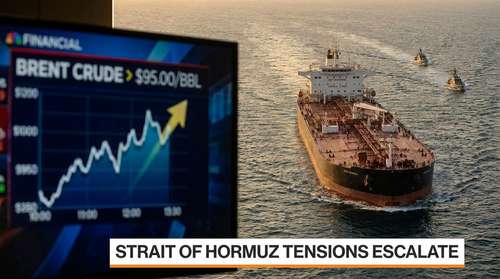
The impetus for this valuation spike is directly tied to the current global climate. With tensions in the Middle East reaching a boiling point, trading volumes on event contracts tied to geopolitical outcomes have skyrocketed. Institutional desks are increasingly using these platforms for Wall Street risk management, hedging multi-billion dollar portfolios against specific outcomes such as regional escalations or supply chain disruptions.
"We are seeing a fundamental repricing of how risk is measured," says a fintech analyst at a major investment bank. "When traditional volatility indices lag, prediction market trends offer real-time, crowd-sourced probability data that is proving indispensable for navigating the current crisis."
The "War Betting" Controversy
This utility, however, has drawn sharp regulatory scrutiny. The surge in contracts predicting military outcomes—such as the likelihood of a U.S. strike or leadership changes in Iran—has alarmed lawmakers. U.S. Representatives Blake Moore and Salud Carbajal recently introduced legislation aimed at curbing event contracts trading on sensitive war-related topics, arguing that monetizing conflict sets a dangerous precedent.
Mainstream Integration: The Robinhood and ICE Effect
The race to $20 billion is also being fueled by deep integration into the traditional financial system. Kalshi’s partnership with Robinhood, which brought federally regulated event contracts to millions of retail retail accounts in late 2025, has been a key driver of its annualized revenue run rate, now estimated at over $1.5 billion.
Conversely, Polymarket has solidified its institutional credibility through its backing by ICE, the parent company of the New York Stock Exchange. Despite historically restricting U.S. users, Polymarket is reportedly accelerating plans for a fully regulated domestic offering this year, a move that would place it in direct competition with Kalshi for the lucrative American institutional market.
The Future of Event Contracts
As Polymarket business news 2026 continues to dominate headlines, the sector stands at a crossroads. The potential $20 billion valuations signal that the market believes these platforms are the future of information discovery. Whether they can navigate the tightening regulatory net while maintaining their explosive growth remains the definitive question for investors. For now, however, the "wisdom of the crowd" is commanding a premium that few on Wall Street can ignore.