The relentless expansion of artificial intelligence infrastructure hit a massive regulatory wall this week. On July 14, 2026, the state government enacted a historic New York data center moratorium, effectively halting the development of new massive server farms. The landmark move aims to pump the brakes on the explosive growth of AI facilities that have increasingly threatened local resources. By signing Executive Order No. 62, the state has become the first in the nation to place a statewide one-year pause on environmental permits for hyperscale computing sites.
Decoding Kathy Hochul Executive Order 62
The rapid rollout of cloud computing and generative AI has driven tech giants to seek out immense plots of land and cheap electricity across the Northeast. Under Kathy Hochul Executive Order 62, New York is explicitly targeting "hyperscale" facilities—defined as those requiring 50 megawatts of power or more. To put that immense scale into perspective, 50 megawatts is roughly enough electricity to power 50,000 average homes.
State regulators will utilize this crucial 12-month window to develop a Generic Environmental Impact Statement (GEIS) alongside a nation-leading regulatory framework. The overarching goal is to establish strict baseline standards detailing how these facilities consume resources, interact with local municipalities, and ultimately affect residents. The state legislature previously passed a similar bill focusing on 20-megawatt facilities, but the governor opted to issue an executive order to swiftly implement protections while reviewing that specific legislation.
Addressing Critical AI Power Grid Strain
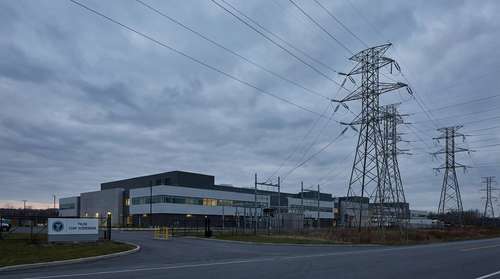
At the heart of this sweeping policy decision is the undeniable AI power grid strain generated by these colossal server clusters. State energy officials noted that the New York Independent System Operator interconnection queue already faces approximately 12 gigawatts worth of data center load requests. Over 8 gigawatts entered the lineup last year alone, triggering severe alarms about the grid's capacity to handle ordinary peak demands. If left completely unchecked, this skyrocketing artificial intelligence energy demand could soon compromise basic energy reliability for hospitals, schools, and millions of households across the state.
Preventing Spikes in Utility Rates AI Infrastructure
A primary concern driving this regulatory shift is the potential financial burden placed on everyday citizens. Building out transmission lines, upgrading electrical substations, and expanding generation capacity to support these massive tech hubs costs billions of dollars. Historically, those infrastructure expenses quietly trickle down to the average consumer. By enacting the moratorium, officials stated clearly that they refuse to let unchecked data center expansion hike up the utility rates AI infrastructure developers should be responsible for covering.
"The bottom line is that progress shouldn't arrive with a higher utility bill," Hochul remarked during her Brooklyn signing ceremony, emphasizing that technology firms must give back to the communities that physically host their operations. The newly minted executive order closely aligns with a proposed Community Investment Framework. This initiative is deliberately designed to ensure localities can unlock millions in financial benefits from tech developments, rather than just footing the massive infrastructure bill.
Analyzing the Data Center Environmental Impact
Beyond local electricity consumption, the broader data center environmental impact extends deeply into natural resource depletion. Keeping tens of thousands of continuous-running servers cool requires millions of gallons of water. In regions already grappling with municipal water supply constraints, dropping a hyperscale cooling facility into the local ecosystem can be ecologically devastating.
Environmental advocates, such as the organization Food & Water Watch, publicly praised the decisive executive action. They argue that the unregulated proliferation of these massive facilities not only drains critical water supplies but also generates significant noise pollution from industrial cooling fans operating around the clock. The mandated hyperscale data center freeze guarantees that before any more ground is broken, rigorous ecological and health safeguards will be firmly in place.
The Economic Debate Surrounding the Hyperscale Data Center Freeze
While environmentalists and consumer advocates celebrate, the technology sector is sounding a loud alarm. The sudden freeze has sparked a fierce national debate over economic competitiveness. Trade associations and industry representatives caution that artificial intelligence developers operate on razor-thin timelines. Delaying facility permits for up to a year might force these lucrative companies to abandon the Empire State entirely, taking high-paying construction and specialized engineering jobs to neighboring states. Financial markets reacted swiftly to the news, as shares of major digital infrastructure companies experienced noticeable dips shortly after the official announcement.
National political figures have also weighed in on the controversy, warning that stalling American AI buildouts could inadvertently grant a strategic advantage to foreign competitors. Despite the intense industry pushback, the moratorium strictly applies only to new hyperscale projects; previously approved developments and smaller, essential data hubs supporting hospitals and universities will proceed without interruption. New York's bold regulatory maneuver undoubtedly sets a profound precedent. As other states closely monitor the ensuing economic and environmental fallout, this temporary halt might just spark a long-overdue nationwide reckoning on how to responsibly power the rapidly approaching future of artificial intelligence.