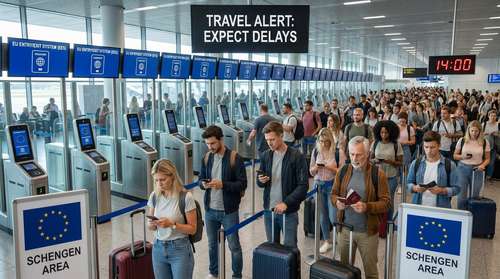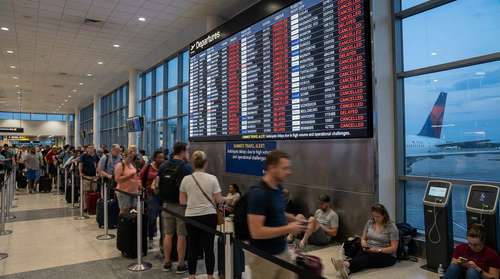
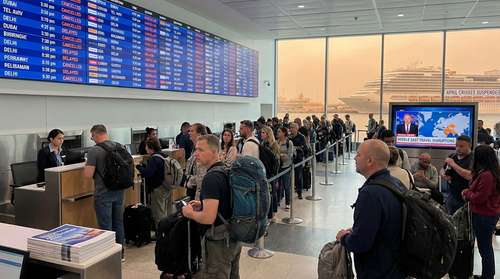
Escalating geopolitical hostilities have triggered unprecedented Middle East travel disruptions 2026, leaving tens of thousands of international passengers scrambling for alternatives. As of Wednesday, April 1, 2026, a potent combination of emergency airspace closures, mounting port security concerns, and localized airport incidents has heavily impacted global transit networks. Travelers are currently facing sweeping April cruise cancellations, sudden flight diversions, and a frantic search for updated entry protocols.
Adding another layer of complexity to an already volatile day for aviation, tourists heading to South Asia must now navigate the mandatory launch of the India e-Arrival card requirements. With major transit hubs overwhelmed and travel corridors shifting by the hour, here is everything you need to know about the unfolding crisis and how to protect your upcoming international travel plans.
Widespread Airspace Closures and Airline Rerouting News
The intensifying conflict in the Middle East has prompted sweeping airspace restrictions across Iran, Iraq, and parts of the Arabian Gulf, forcing commercial aviation into a severe logistical bottleneck. Major international carriers are actively scrambling to adjust their networks, resulting in a continuous wave of airline rerouting news. Airlines such as Air Canada, British Airways, and KLM have suspended various routes through the region entirely, extending cancellations into late April and May to ensure passenger safety.
For those relying on major Middle Eastern transit hubs to connect between Europe, Asia, and Africa, the situation remains highly fluid. Passengers seeking Dubai flight status updates are finding a heavily reduced and frequently altered schedule. The operational chaos in Dubai was further compounded earlier this week when a drone-related fire near Dubai International Airport (DXB) temporarily halted all flight movements, creating a massive backlog. Airlines, including Emirates and IndiGo, are strictly advising travelers not to head to the airport unless they hold a confirmed departure time.
If your itinerary involves a Gulf connection, you should anticipate significantly longer flight times, potential layover delays, and abrupt schedule adjustments as carriers bypass restricted air corridors in favor of safer, albeit longer, routes.
April Cruise Cancellations: Ships Stranded in the Arabian Gulf
The maritime tourism sector is taking a massive operational hit as security risks effectively close the Strait of Hormuz to civilian shipping. Several major global cruise operators have enacted full April cruise cancellations. Cruise lines like Celestyal and MSC Cruises have been forced to scrap their spring Mediterranean repositioning voyages entirely because their vessels remain held in ports across Dubai, United Arab Emirates, and Doha, Qatar.
Redeployment and Passenger Refunds
Ships such as the Celestyal Discovery and the MSC Euribia are currently fully operational but confined to the Gulf under strict maritime safety guidance from international authorities. Consequently, operators are issuing full refunds or future cruise credits to all impacted passengers. With the traditional winter Middle East sailing season ending abruptly, companies are aggressively pivoting to alternative regions.
MSC Cruises, for example, is shifting its focus toward the French Antilles and the broader Caribbean. These alternative regions are quickly emerging as highly sought-after safe travel destinations 2026 for cruisers looking to salvage their spring vacations without the looming threat of itinerary disruptions.
Navigating the New India e-Arrival Card Requirements
While the Middle East grapples with unprecedented transit bottlenecks, international travelers flying into India face a major bureaucratic shift that officially takes effect today, April 1, 2026. The Indian government has permanently phased out traditional paper disembarkation forms, replacing them with strict, digitized India e-Arrival card requirements.
All foreign nationals and Overseas Citizen of India (OCI) cardholders must now submit their digital arrival declaration within 72 hours prior to their scheduled flight. Authorities implemented this fully digital system to streamline border processing and cut immigration wait times by up to 40% at major hubs like New Delhi and Bengaluru. However, amid the current flight rerouting and delay chaos sweeping through connecting airports, forgetting this critical pre-boarding step could result in denied boarding at your departure gate. Travelers should complete the digital form on their smartphones the moment their modified flight schedules are confirmed.
Monitoring International Travel Advisories and Next Steps
With the security situation evolving by the hour, government agencies worldwide are continuously updating their international travel advisories to reflect the heightened risk in the region. Flexibility is no longer just a recommendation; it is an absolute necessity for international transit this spring.
If you have upcoming travel plans, contact your airline or travel agent immediately to verify your routing. Ensure your travel insurance policy explicitly covers conflict-related schedule disruptions, noting that standard policies often exclude acts of war. While the Middle East transit corridor remains compromised, aviation authorities stress that alternative flight paths through Asia and Europe remain secure and fully operational. By staying informed, utilizing verified booking portals, and remaining adaptable, you can safely navigate the complexities of this spring's turbulent travel landscape.