JPMorgan Chase CEO Jamie Dimon released his highly anticipated Jamie Dimon shareholder letter 2026 on Monday, April 6, delivering a sobering assessment of the global economy. Amidst escalating conflicts in the Middle East, the banking executive cautioned that a potential global energy shock could severely disrupt supply chains and reignite stubborn inflation. In the comprehensive JPMorgan Chase annual report, Dimon painted a picture of a resilient yet fragile consumer base, warning that markets are actively mispricing the cascading fallout from geopolitical instability.
The "Skunk at the Party" and Escalating Stagflation Risks
Dimon specifically pointed to the Iran war economic impact as a critical flashpoint for commodity markets. While equity markets have remained somewhat buoyant through the first quarter, he characterized the potential for creeping inflation as the ultimate "skunk at the party" for the year. If inflation trends upward rather than continuing its expected gradual descent, it could dramatically reshape the US inflation forecast 2026.
The combination of massive government deficit spending—including the newly enacted $300 billion stimulus package—and severe geopolitical friction presents acute stagflation risks. Stagflation, a punishing economic environment defined by stagnant economic growth coupled with high inflation, threatens to erode corporate margins and consumer purchasing power simultaneously. Dimon warned that disruptions to shipbuilding, agriculture, and manufacturing are already materializing as traditional trade routes fracture under the weight of international sanctions and military posturing.
Global Energy Shocks and the Strait of Hormuz Flashpoint
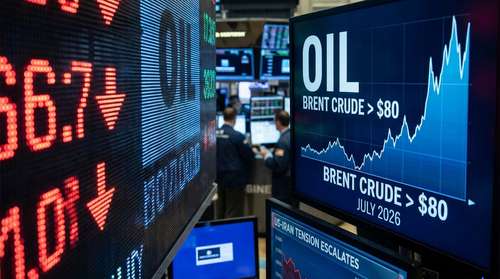
The centerpiece of Dimon’s geopolitical anxiety centers squarely on the Middle East. With escalating tensions and diplomatic ultimatums surrounding the Strait of Hormuz—a crucial maritime artery for global oil delivery—the threat of a severe global energy shock looms large over the macroeconomic landscape. The letter stressed that an abrupt spike in crude oil and natural gas prices would ripple immediately through the global economy, directly impacting everything from consumer gasoline costs to industrial production.
Dimon bluntly reminded investors that the outcome of these global hostilities may very well be the defining factor in how the future global economic order unfolds. An extended disruption in energy markets would force companies to rapidly reshape their supply chains. Businesses would likely pass those massive transition costs directly onto the end consumer, baking inflation deeper into the economic system for years to come.
Federal Reserve Interest Rate Hikes: Higher for Longer?
Perhaps the most jarring takeaway for Wall Street is Dimon's forecast regarding monetary policy. For months, market participants have aggressively priced in a dovish pivot, expecting central banks to ease borrowing costs. However, Dimon's letter suggests that entrenched inflation driven by war could force further Federal Reserve interest rate hikes, or at minimum, compel policymakers to hold rates higher for significantly longer than previously anticipated.
Rising interest rates act like "gravity" on almost all asset prices, Dimon noted. A sudden reversal in rate expectations could swiftly alter investor psychology, potentially triggering a massive flight to cash. If the Fed is forced to prioritize fighting an energy-driven inflation spike over supporting economic growth, equity markets and bond valuations could face intense downward pressure throughout the remainder of the year.
Shadow Risks in Private Credit
Beyond macroeconomic policy, the JPMorgan chief highlighted emerging vulnerabilities in the financial sector, specifically pointing to the $1.8 trillion private credit market. While he does not believe the sector poses a systemic threat, he cautioned that opaque valuations and loosening lending standards could lead to higher-than-expected losses when the credit cycle eventually turns.
On the technology front, Dimon addressed the massive capital expenditure flowing into artificial intelligence. He noted that while AI is not a speculative bubble and will ultimately drive massive productivity gains, the sheer volume of short-term spending on data centers and infrastructure could actually add to current inflationary pressures before its deflationary benefits are realized.
An Uncertain Path Forward for the U.S. Economy
Despite the dire warnings, the JPMorgan CEO offered a balanced view of America's domestic footing. He noted that the U.S. economy remains fundamentally resilient for now, though he observed that consumer spending has shown recent signs of weakening as past stimulus effects deplete.
Ultimately, Dimon's 2026 assessment serves as a clear warning to policymakers and investors alike. Navigating the treacherous intersection of Middle Eastern conflicts, ballooning sovereign debt, and sticky price pressures will require immense caution. As the economic realities of war collide with domestic fiscal policy, the financial world must brace for a protracted period of volatility.