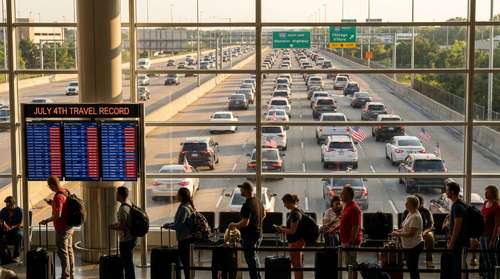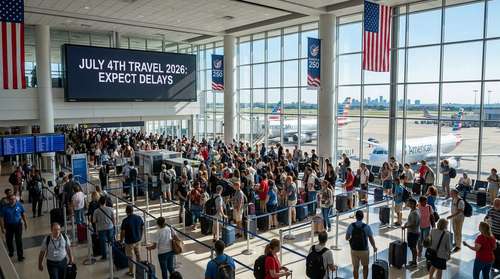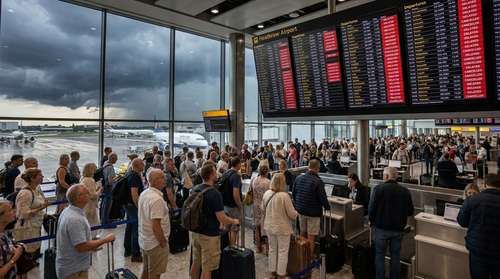
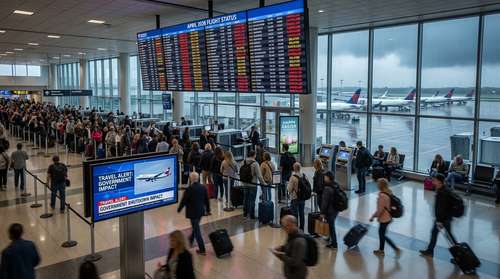
A "perfect storm" of severe spring weather and a devastating 47-day federal funding lapse has triggered unprecedented Easter travel chaos 2026. As millions of Americans head to the skies this holiday weekend, the national air travel system is buckling under the immense pressure. Major hubs across the country are grappling with massive gridlock, forcing passengers to endure grueling TSA security wait times and cascading operational breakdowns. If you are staring at your airport departure board bracing for flight cancellations today, you are far from alone in facing what industry experts are now calling a full-blown US aviation crisis.
The Core of the Crisis: The Government Shutdown Travel Impact
The root cause of this weekend's massive bottleneck isn't just passing thunderstorms; it is a structural breakdown driven by the Department of Homeland Security's partial shutdown, which has been ongoing since February 14. Classified as essential personnel, over 50,000 Transportation Security Administration (TSA) officers have been required to report to work without pay for nearly seven weeks.
The financial strain has predictably decimated workforce morale. Over 500 officers have officially resigned since the lapse in funding began, and daily absence rates have skyrocketed. At heavily impacted hubs, absentee rates have hovered near 40%, leaving bare-bones security crews to manage the highest daily passenger volumes ever recorded in American aviation history. The resulting government shutdown travel impact has created dangerous overcrowding in terminal lobbies nationwide.
Staggering TSA Security Wait Times Emerge Across Major Hubs
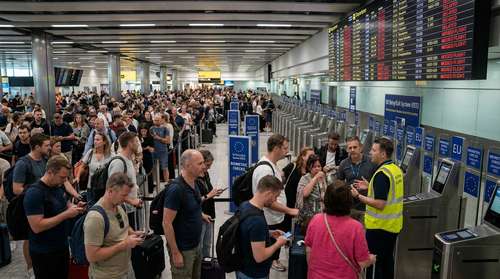
The most visible symptom of this Easter travel collapse is the alarming wait at security checkpoints. At major facilities like Houston's George Bush Intercontinental Airport (IAH), officials warned passengers that TSA security wait times could easily stretch up to four hours. Because of the severe staffing crisis, airport administrators have been forced to shutter entire security terminals just to consolidate their remaining workers.
Furthermore, expedited screening lanes such as TSA PreCheck and CLEAR are experiencing unpredictable, intermittent closures. This unpredictability forces thousands of pre-vetted travelers to funnel into standard screening lines that are already snaking through ticketing halls and spilling out into baggage claim areas. Travelers arriving the standard two hours prior to departure are finding themselves missing flights simply because they cannot physically reach the gate in time.
Severe Weather Amplifies DFW Airport Flight Delays
While the staffing shortage cripples the ground operation, severe spring storms sweeping across the central and eastern United States have thoroughly disrupted the skies. Dallas and Chicago are feeling the heaviest brunt of this volatile weather pattern. DFW airport flight delays have surged into the thousands over the past 48 hours, causing a ripple effect that delays inbound aircraft from coast to coast.
At Chicago O'Hare and Miami International, airlines are reporting rolling cancellations that threaten to strand passengers for days. Adding fuel to the fire, a sudden surge in global jet fuel prices—now hovering over $4.50 a gallon following geopolitical tensions—has forced airlines to quietly trim their flight capacity. With fewer planes in the air, there are almost no empty seats left to accommodate and rebook stranded travelers.
Unprecedented Demand During the Spring Break 2026 Travel Rush
Airlines originally prepared for a record-breaking spring break 2026 travel rush, projecting a staggering 171 million passengers between March and April—a 4% increase from last year. Industry analysts note that during typical peak travel times, airlines have enough operational slack to recover from storms within 24 hours. However, under the current systemic strain, a single canceled route creates a domino effect. Passengers grounded this Easter Sunday are finding that alternative flights on major carriers are entirely sold out until midweek.
Coping with Flight Cancellations Today: What Travelers Can Do
If you must navigate this historic disruption, preparation, flexibility, and extreme patience are your best tools. Airports and travel experts are urging passengers to arrive at least four hours before any domestic departure. Because staffing fluctuates hour by hour, never assume your usual security lane will be operational.
Keep a close eye on your airline's official mobile app for sudden gate changes, real-time wait times, and immediate rebooking options, as traditional customer service phone lines are currently overwhelmed with multi-hour holds. Additionally, make sure to pack essential items, medications, and extra snacks in your carry-on luggage. In this volatile environment, preparing for the worst-case scenario is the only surefire way to ensure you eventually make it to your destination safely.