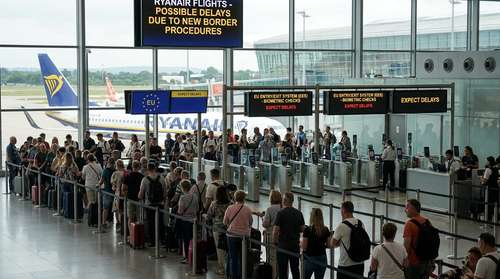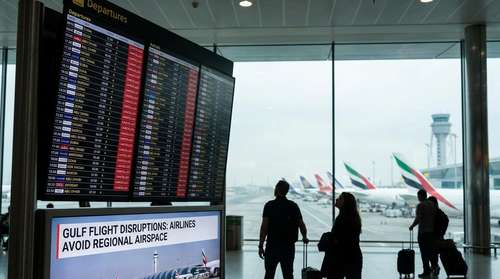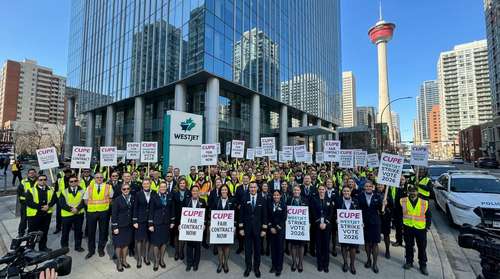
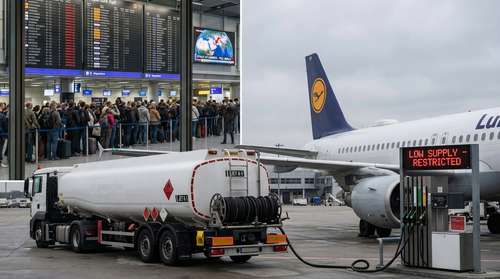
An unprecedented storm is battering the commercial aviation sector this week, bringing international mobility to a grinding halt. Travelers are facing a perfect storm of soaring costs and logistical nightmares as the jet fuel shortage 2026 collides with major labor disputes. A prolonged geopolitical crisis in the Middle East has severed critical energy supply lines, while massive flight cancellations today across Europe are leaving tens of thousands of passengers stranded. With ticket prices skyrocketing and capacity shrinking, the industry is bracing for one of its most turbulent summer seasons on record.
Strait of Hormuz Conflict Sparks Aviation Fuel Crisis
The root of the current chaos stems from the ongoing military conflict that has effectively sealed off the Strait of Hormuz since late February. Normally, this vital maritime chokepoint facilitates the transit of roughly 40 to 50 percent of Europe's jet fuel imports. Following the collapse of high-level diplomatic talks in Islamabad over the weekend, the prospect of restoring these crucial shipping lanes has evaporated. Negotiators failed to reach an agreement on core disagreements, including nuclear weapons and maritime control, leaving a fragile ceasefire hanging by a thread and sending shockwaves through the global energy market.
The Strait of Hormuz fuel impact is already devastating airport operations. Benchmark European jet fuel prices have more than doubled since the conflict began, peaking at a staggering $1,838 per tonne. In response to dwindling reserves, Airports Council International (ACI) Europe Director General Olivier Jankovec issued a stark warning to the European Commission. Jankovec cautioned that unless passage through the strait resumes steadily within the next three weeks, a systemic jet fuel shortage will cripple European aviation. The strain is no longer theoretical; at least seven Italian airports have already begun rationing fuel access to manage their rapidly depleting stocks.
Lufthansa Pilot Strike April 13 Deepens the Mayhem
As airlines struggle to secure kerosene, travelers attempting to fly through major European transit hubs are facing immediate operational meltdowns. The situation was severely compounded by the Lufthansa pilot strike April 13, which initiated a massive 48-hour walkout across the German carrier's network. Organized by the Vereinigung Cockpit (VC) union over unresolved wage and pension disputes, the industrial action grounded operations starting just after midnight on Monday.
The strike encompasses the core Deutsche Lufthansa brand, alongside Lufthansa Cargo and CityLine, while the low-cost subsidiary Eurowings is participating in the walkout on Monday exclusively. Frankfurt and Munich airports are bearing the brunt of the disruptions, with over 500 flights scrapped and upwards of 50,000 passengers affected so far. According to union representatives, management has failed to present a viable company pension scheme or an acceptable new contract for CityLine staff, leading to this severe escalation. For an airline already battered by a cabin crew walkout last week and previous pilot strikes in March, this third major labor stoppage in a month highlights a deep fracturing within the company. Passengers caught in the crossfire are finding little recourse, as alternative flights are exceptionally scarce due to broader network capacity cuts.
Massive Aviation Fuel Surcharges Hit Consumers
The financial toll of the airline industry crisis 2026 is being swiftly passed down to passengers. Desperate to offset the meteoric rise in operational costs, carriers worldwide are implementing steep aviation fuel surcharges and increasing baggage levies. With traditional fuel hedging strategies offering minimal protection against such sudden geopolitical shocks, executives warn that elevated ticket prices are here to stay for the foreseeable future.
Industry leaders emphasize that relying purely on market forces is no longer viable. The current bottleneck underscores a glaring over-reliance on imported refined energy products, exposing the fragile nature of global air transport networks. Some industry officials are using the crisis to advocate for accelerated investments in Sustainable Aviation Fuel (SAF) to build domestic resilience, but such infrastructure takes years to scale. For families booking summer vacations and business travelers trying to secure last-minute itineraries, these new surcharges often rival the base fare of the ticket itself.
Navigating Global Travel Disruptions
For those navigating these global travel disruptions, proactive planning is absolutely essential. Passengers scheduled to fly through Germany over the next 48 hours should verify their flight status directly via airline apps before heading to the terminal, as walk-up rebooking options are nearly non-existent. If your flight is impacted by the Lufthansa dispute, European regulations mandate that the carrier must offer a refund or rerouting under comparable transport conditions.
Looking ahead, travelers must brace for a volatile summer. With the twin threats of labor instability and an acute fuel supply bottleneck, last-minute cancellations and route suspensions will likely become a recurring theme. Securing comprehensive travel insurance and maintaining maximum flexibility in your itinerary are the best defenses against an aviation ecosystem that remains firmly on edge.