
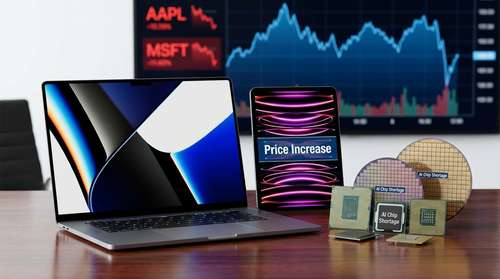
The consumer electronics market just experienced a seismic shift. In an unprecedented move, the Apple price increase of June 2026 has shocked buyers, pushing the cost of its flagship devices up by as much as 25 percent. The massive MacBook iPad price hike comes as a direct result of an escalating AI memory chip shortage that is fundamentally rewriting the economics of global tech manufacturing. As artificial intelligence data centers devour the global supply of silicon, everyday consumers are now footing the bill for the industry's new obsession.
Microsoft Confirms Xbox Console Price Rise for August
Gamers hoping to upgrade their entertainment setups this summer will need to act fast. Following Apple's pricing overhaul, Microsoft announced that starting in August 2026, baseline Xbox consoles will see a significant retail jump. The gaming division has reportedly struggled for months to absorb the manufacturing premiums associated with soaring DRAM storage costs, which have effectively doubled since the end of last year.
Industry analysts note that Microsoft attempted to delay the inevitable to maintain a competitive edge, but the sheer volume of capital flowing into enterprise AI infrastructure left them with zero alternatives. Retailers are already seeing a rush on current Xbox inventory as budget-conscious buyers attempt to secure hardware before the new Xbox console price rise takes full effect late this summer.
The Root Cause: An Unprecedented AI Memory Chip Shortage
Why are the devices we rely on suddenly so much more expensive? The answer is quietly humming inside massive server farms. The explosive, unyielding growth of large language models and generative AI platforms requires staggering amounts of high-bandwidth memory. Global chipmakers have aggressively shifted their fabrication lines away from standard consumer electronics to prioritize these lucrative, high-margin AI data center orders.
This massive reallocation of resources has created a severe bottleneck for traditional consumer hardware. Apple explicitly cited these skyrocketing component premiums when justifying the sudden markup across almost its entire Mac and iPad lineup.
The Double Impact of DRAM and NAND Flash Shortages
The crisis is two-fold, impacting both temporary memory and long-term storage. With NAND flash and DRAM spot prices up well over 100 percent year-over-year, absorbing the difference was no longer financially viable. Even for a corporation with Apple's legendary supply chain leverage and bulk-purchasing power, the math simply stopped working. The ongoing AI memory chip shortage means that until new fabrication plants come online, supply will remain heavily constrained.
Wall Street Reacts: Apple Stock Drops on Price Hikes
Investors are notoriously skittish about sudden consumer-facing adjustments, and Wall Street's response to the tech giant's pricing strategy was unforgiving. Markets opened this week to immediate Apple stock drops; price hikes of this magnitude terrified institutional investors who fear a sudden and severe cooling of consumer demand. While the company's profit margins might remain insulated on a per-unit basis, financial analysts worry that slapping a 25 percent premium on a new MacBook Pro or iPad Air will simply price mainstream buyers out of the current upgrade cycle.
This dynamic creates a precarious balancing act for tech CEOs. Passing the burden of soaring DRAM storage costs onto the average consumer risks a massive slump in back-to-school and holiday sales. Conversely, eating the component cost would obliterate quarterly earnings reports. The current dip in valuation indicates that the market is not fully convinced Apple has found the right middle ground.
Navigating the New Era of Consumer Tech Price Inflation
We are officially entering a highly volatile era of consumer tech price inflation, where enterprise artificial intelligence dictates the cost of everyday gadgets. The recent Apple markup and upcoming Microsoft adjustments are likely just the opening salvos. PC manufacturers, smartphone brands, and smart home developers all pull from the exact same constrained pool of memory components.
Strategic Buying Advice for 2026
If you are currently in the market for a new laptop, tablet, or gaming console, the window for competitive pricing is closing at an alarming rate. Technology advocates strongly suggest securing necessary hardware immediately before the late-summer rush exacerbates the existing retail shortages. Shoppers should actively monitor authorized third-party retailers, as many have not yet updated their existing inventory pricing to match the newly mandated manufacturer rates. Until memory fabricators can rebalance the global supply chain, everyday gadget enthusiasts will be paying a steep premium for the foreseeable future.