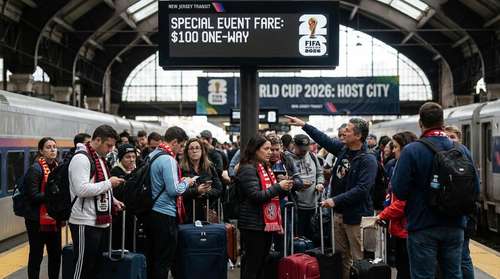
With the tournament less than 60 days away, international fans are facing a massive 2026 World Cup travel crisis. With 48 teams competing across three nations, the logistical footprint of this event is unprecedented. North American destinations are seeing extreme demand, creating a double-digit surge in World Cup host city bookings. While accommodation and flight prices soar, a localized conflict over transit costs in New Jersey has ignited a national debate over the affordability of the sport's biggest showcase.
According to mid-April reports, local authorities are modeling prices that would charge attendees more than $100 for a round-trip train ticket from New York City to MetLife Stadium. The revelation has sparked immediate backlash from fans who are already struggling with skyrocketing World Cup hotel prices 2026 and heavily restricted flight availability.
New Jersey World Cup Transport: The $100 Train Ticket Controversy
The most striking element of the current controversy centers on the 18-mile rail journey between Penn Station in Manhattan and the Meadowlands. Under normal circumstances, this round-trip event ticket costs just $12.90. However, according to recent leaks and internal modeling, NJ Transit World Cup fares are expected to increase roughly 675 percent. The proposed pricing structure would implement a flat blanket rate, offering no standard fare discounts for seniors, children, or passengers with disabilities.
This dramatic spike is deeply tied to the immense logistics of hosting eight matches, including the highly anticipated July 19 final. NJ Transit estimates that deploying dedicated rail services and managing infrastructural disruptions for the tournament will cost the agency approximately $48 million. New Jersey Governor Mikie Sherrill addressed the situation directly this week, emphasizing that local commuters shouldn't foot the bill.
"One of the key things I wanted to make sure of was that we were not going to be paying for moving people who were viewing the World Cup on the backs of New Jersey taxpayers and New Jersey commuters," Sherrill stated.
Across the Hudson River, the proposed transit fees have drawn sharp criticism. New York Governor Kathy Hochul publicly pushed back against the steep fare hikes, stating, "The World Cup should be as affordable and accessible as possible. Charging over $100 for a short train ride sounds awfully high to me". She quickly added that New York's MTA would not be participating in such aggressive price surging.
Surging World Cup Host City Bookings Add to Fan Burden
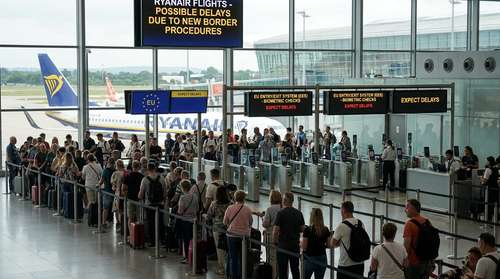
The transit shock in New Jersey is only one component of a broader affordability issue facing fans organizing their summer travel 2026. Across all 16 North American host cities, a dramatic surge in demand has drastically inflated costs. International travelers looking for FIFA World Cup flights are finding limited nonstop availability, forcing many to piece together complex itineraries through secondary hubs just to secure a seat.
Simultaneously, regional hospitality sectors are capitalizing on the captive audience. Standard hotel rooms in major metropolitan areas like New York, Los Angeles, and Miami are booking out at triple their usual summer rates. Data from the hospitality industry shows that properties within a 50-mile radius of host stadiums are reaching near-capacity. With the most expensive "Category 1" tickets to the final match now trading at nearly $11,000, the combined cost of admission, transit, and lodging is pushing the event out of reach for the average supporter.
Parking Pricing Parallels the Chaos
For fans opting to skip the train and drive to the stadium, the financial reality isn't much better. At the New York/New Jersey MetLife Stadium, official tournament parking platforms are listing spots for group stage matches at a staggering $225. If you are looking to park for a Round of 16 match, expect to pay around $300, and prices for the ultimate final have yet to be announced.
A Nationwide Pattern of Escalating Fares
This pricing phenomenon is not isolated to the Tri-State area. The rising costs of New Jersey World Cup transport mirror similar municipal transit decisions happening across the United States. In Massachusetts, the MBTA recently confirmed that round-trip train travel from Boston to Foxborough's Gillette Stadium will spike from $20 to $80 for tournament ticket holders. Furthermore, a dedicated alternative bus service to the Massachusetts venue is set at $95 per seat.
These dramatic increases mark a sharp departure from recent international tournaments. During the 2022 event in Qatar and the 2024 European Championship in Germany, match tickets frequently included complimentary or heavily subsidized public transit access on game days. In contrast, the North American strategy clearly places the infrastructural burden squarely on the visiting tourists.
Navigating the Financial Realities of Summer Travel 2026
As the clock ticks down to the opening kickoff, transportation agencies and local governments are finalizing their logistical plans. While a spokesperson for NJ Transit indicated that match day travel prices have not been fully confirmed, the sheer financial scope of the tournament makes steep commuter costs highly likely.
For attendees, successfully navigating this historic North American tournament will require careful financial planning. To survive the impending travel crunch, consider the following strategies:
- Book Transit Early: Secure any available rail or bus passes the moment official transit portals open to avoid secondary market markups.
- Explore Regional Airports: Widen your search for FIFA World Cup flights to include smaller regional hubs to bypass primary airport congestion.
- Share the Burden: Coordinate ride-shares and group accommodations to split the heavily inflated costs of World Cup hotel prices 2026.
Whether you are catching a group stage match or the final itself, securing early reservations and remaining flexible will be vital. The matches on the pitch will undoubtedly be spectacular, but simply getting to the stadium is shaping up to be a fiercely expensive competition.