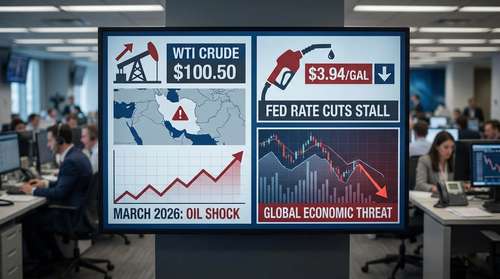
The global economy is facing a critical juncture this week as crude oil prices officially breached the historic $100-per-barrel mark. Driven by rapidly escalating conflict in the Middle East, this unprecedented price surge is evolving into a full-scale global energy crisis 2026. With the Strait of Hormuz heavily restricted and major production facilities sustaining severe damage, nearly 20% of the world's natural gas supply is currently disrupted. The ripple effects are immediate. The national average for gas prices hit $3.94 per gallon this Sunday, effectively neutralizing the relief from recent tax cuts. Consequently, the Federal Reserve is being forced to scrap its scheduled rate cuts, casting a dark shadow over the projected economic recovery. Here is a breakdown of the oil prices March 2026 landscape and what it means for consumers and investors alike.
The Middle East Conflict and Supply Chain Paralysis
Geopolitical instability remains the primary catalyst for the current energy shock. Over the past three weeks, retaliatory strikes between Israel and Iran have systematically targeted vital energy infrastructure. The Iran conflict economic impact became undeniably severe when Tehran directed attacks at major energy facilities across the Persian Gulf. This includes significant damage to Qatar's Ras Laffan, widely known as the world's largest LNG plant.
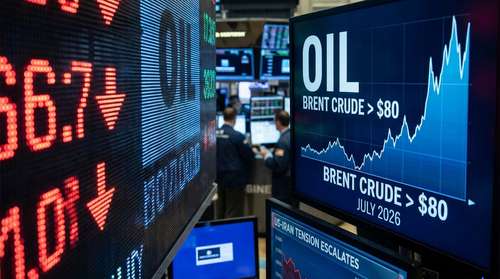
Simultaneously, commercial transit through the Strait of Hormuz has been nearly paralyzed. Because roughly one-fifth of the world's oil and liquefied natural gas flows through this narrow waterway, the supply chain bottleneck is devastating. Markets reacted violently over the weekend, sending Brent crude skyrocketing past $112 while pushing WTI crude $100 past the psychological breaking point. Analysts from Goldman Sachs warn that without swift diplomatic intervention, the risk premium on oil will only continue to expand.
Gas Prices Today News: Consumers Feel the Squeeze at the Pump
For American households, the geopolitical strife translates into immediate financial pain at the fuel pump. According to the latest AAA data released on March 22, the national retail average for a gallon of regular gasoline reached $3.94. That represents a staggering spike of over $1 compared to just a month ago.
Regional disparities make the situation even more dire. California drivers are facing prices north of $5.53 per gallon, while diesel fuel—the lifeblood of the American freight industry—jumped to a national average of $5.25. This surge in transportation costs is rapidly trickling down to consumer goods. Aviation is taking a massive hit as well; with jet fuel prices soaring above $200 a barrel, commercial airlines are canceling flights and passing aggressive surcharges onto travelers. As citizens search for gas prices today news, the reality is that the energy spike is erasing the discretionary income gains that recent federal tax cuts were designed to provide.
Federal Reserve Interest Rates 2026: Rate Cut Hopes Dashed
Perhaps the most significant casualty of the commodity surge is the broader macroeconomic recovery plan. Entering the year, financial markets had confidently priced in a dovish pivot from the central bank. However, the Federal Reserve interest rates 2026 trajectory has been violently derailed by the sudden shock to the system.
Energy costs permeate every layer of the economy, from agricultural production to retail logistics. As a result, the indicators the central bank relies upon are heating up again. Officials are now forced to maintain elevated interest rates to prevent runaway inflation, officially ending any realistic hope for a scheduled rate cut in early 2026. This prolonged high-interest-rate environment threatens to stifle corporate borrowing, slow housing market momentum, and suppress the overarching economic growth that policymakers had anticipated.
Navigating the Inflation Forecast 2026
Looking ahead, the longevity of this energy-driven inflation will largely depend on how quickly global supply chains can adapt to the Middle Eastern disruptions. The U.S. administration's efforts to stabilize the market through strategic petroleum reserve releases have so far shown limited effectiveness against the sheer scale of the shortfall.
Investors and consumers must brace for a turbulent second quarter. The revised inflation forecast 2026 suggests the cost of living will remain elevated for the foreseeable future. Businesses will need to rapidly adapt their operational budgets to account for prolonged fuel expenses, while households may be forced to curtail discretionary spending further. Ultimately, this crisis serves as a stark reminder of how deeply intertwined geopolitical stability is with domestic economic prosperity.