
The global economy is facing a historic dual shock. This week, the administration officially launched sweeping US trade investigations 2026, targeting 16 major economies over alleged manufacturing overproduction. This aggressive shift in international commerce arrives at a precarious moment, colliding directly with a severe global energy crisis in March 2026. As Washington moves to aggressively reshape supply chains, intense conflict in West Asia has choked off critical shipping routes, sending energy markets into a tailspin and threatening a massive resurgence in global inflation.
The Industrial Overcapacity Trade Probe
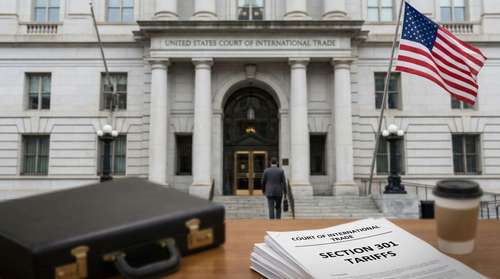
Under the direction of U.S. Trade Representative Jamieson Greer, the White House initiated a sprawling Section 301 inquiry aimed at curbing what it calls "structural excess capacity". The industrial overcapacity trade probe targets a diverse roster of 16 trading partners, including China, the European Union, Mexico, India, Japan, South Korea, and Taiwan. Officials argue that these nations are producing far more goods than domestic and global demand can naturally absorb. This practice effectively exports surplus inventory to the United States, which the administration claims suppresses domestic manufacturing wages and discourages factory investment.
The timing of this legal maneuver is highly strategic. Following a February 20 Supreme Court ruling that struck down the administration's earlier global tariff program, the White House was forced to find a new mechanism to penalize trade imbalances. A temporary 10% tariff is currently holding the line, but by focusing on structural overcapacity, subsidized lending, and state-directed industrial policies, the USTR is laying the groundwork to impose fresh, targeted tariffs by mid-summer. Public hearings are already scheduled for early May to expedite the process.
Strait of Hormuz Shipping Impact and Oil Market Volatility
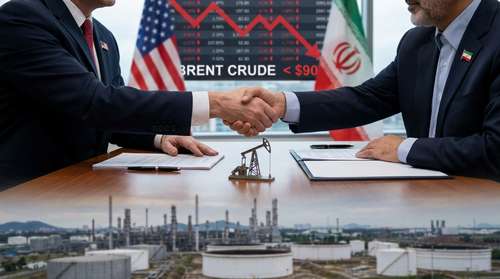
While trade officials scrutinize factory output, a parallel crisis is paralyzing the international energy sector. Following joint U.S. and Israeli airstrikes on Iranian targets on February 28, commercial maritime traffic through the Middle East has ground to a near halt. The resulting Strait of Hormuz shipping impact has been catastrophic for global supply chains, effectively cutting off a corridor that historically handles one-fifth of the world’s traded oil and liquefied natural gas.
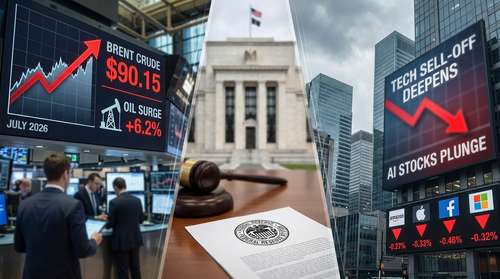
According to the International Energy Agency’s latest emergency report, the bottleneck has triggered unprecedented oil market volatility. With export terminals unable to load cargoes and regional storage tanks filling to the brim, major Gulf producers have been forced to slash output by an estimated 10 million barrels per day. The IEA projects that global oil supply will plunge by a staggering 8 million barrels per day this month. Brent crude futures briefly skyrocketed near $120 per barrel before settling in the high $90s. In response, IEA member countries unanimously agreed on March 11 to release 400 million barrels from emergency reserves to stabilize the market.
Navigating US Trade Policy 16 Partners Deep
Executing a hardline US trade policy 16 partners deep is fraught with diplomatic and economic hurdles. Mexico's inclusion in the investigation is particularly contentious. Commerce between the U.S. and Mexico reached $872.83 billion in 2025, cementing Mexico as America's top trading partner. Investigating Mexican industries for dumping excess supply complicates the delicate United States-Mexico-Canada Agreement (USMCA) just days before its formal review process is scheduled to begin.
Similarly, targeting allied nations in Europe and Asia while the West navigates a geopolitical powder keg presents a massive challenge. South Korean and Taiwanese officials have already indicated they will actively negotiate to protect their export sectors. Meanwhile, China remains the central focus of Washington's push to reindustrialize the American heartland, with officials actively probing whether heavy state subsidies are artificially deflating Chinese export prices.
The Threat to Inflation and Energy Prices 2026
The convergence of these two monumental events creates a perfect storm for consumers and manufacturers alike. The prospect of broad tariffs on imported manufactured goods threatens to raise retail costs, just as the squeeze on petroleum sends fuel and logistics expenses soaring. Economic analysts are raising alarms about the trajectory of inflation and energy prices 2026, warning that the compounding effects of a fractured supply chain and a massive global oil deficit will inevitably trickle down to the checkout counter.
More than 400 tankers currently sit idle in the Persian Gulf, and energy infrastructure across the region remains under elevated threat. If maritime access is not rapidly restored, the prolonged absence of refined products—including diesel and aviation fuel—will further paralyze the freight networks necessary to move whatever goods survive the impending tariff wave. Retailers are already bracing for a volatile summer, as the dual squeeze of trade restrictions and energy scarcity threatens to upend a fragile global economic recovery.