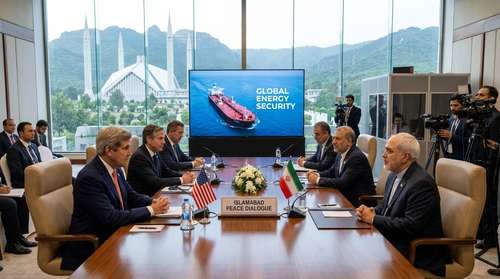
The avenues of Pakistan’s capital remain under a stringent lockdown, largely deserted except for heavy military checkpoints and glowing digital billboards branding the upcoming diplomatic engagement as "The Islamabad Talks". Ahead of the critical Islamabad summit Saturday, the fragile US-Iran ceasefire 2026 is already showing deep fractures. Brokered rapidly on Tuesday night by Pakistani and Chinese mediators, the tenuous two-week pause in hostilities faces severe pressure from ongoing regional military strikes and a stubborn global economic crisis.
For the Trump administration, the stakes of the weekend negotiations extend far beyond the Middle East. The sweeping geopolitical conflict, which ignited in late February with coordinated U.S. and Israeli strikes, has triggered a massive Iran war price shock. As negotiators arrive in South Asia, global markets are watching closely, desperate for a permanent end to the hostilities that have paralyzed international trade and energy networks.
High-Stakes Diplomacy at the Islamabad Peace Talks
Few could have initially predicted Pakistan's starring role as the primary mediator between Washington and Tehran. Yet, leveraging deep historical ties with Iran and substantial strategic backing from China, Islamabad successfully initiated a temporary diplomatic off-ramp. Prime Minister Shehbaz Sharif has spent the week in intense backchannel communications, attempting to ensure the ceasefire holds long enough for delegates to formally sit at the negotiating table.
The diplomatic rosters highlight the undeniable gravity of the Islamabad peace talks. Vice President JD Vance is leading the American delegation, flanked by special envoys Steve Witkoff and Jared Kushner. They will meet a high-level Iranian contingent that includes Foreign Minister Abbas Araghchi and Parliament Speaker Mohammad Bagher Ghalibaf. Vance has already signaled a hardline approach, telling reporters en route that if Iranian officials "try to play us, then they're going to find that the negotiating team is not that receptive".
The Chinese government’s quiet but substantial support for Pakistan’s mediation efforts materialized through a diplomatic initiative drafted by Chinese officials. By empowering Islamabad as the diplomatic face of the negotiations, Beijing has managed to safeguard its vital economic investments in the region—such as the massive China-Pakistan Economic Corridor—while avoiding direct confrontation with American naval forces. The success of Pakistan’s mediation rests on an unusually broad diplomatic network, leveraging its position as home to the world's second-largest Shia Muslim population and its historical ties with Tehran.
The Disconnect on Lebanon and Nuclear Ambitions
A primary obstacle threatening the negotiations before they even begin is the differing interpretation of the truce's scope. Iran and Pakistani mediators announced the ceasefire extended to Lebanon. However, Israeli Prime Minister Benjamin Netanyahu has outright dismissed this narrative, continuing the heavy bombardment of Hezbollah positions and declaring there is "no ceasefire in Lebanon". Iranian President Masoud Pezeshkian warned that diplomacy is functionally meaningless while bombs continue to fall on their regional allies.
Underneath the immediate logistical disputes over regional proxies lies the core geopolitical standoff. Washington’s framework for the talks includes a stringent 15-point proposal that mandates the complete cessation of uranium enrichment and the total dismantling of Iranian nuclear facilities. Tehran, conversely, brings a 10-point framework to the table, demanding absolute recognition of its sovereign right to nuclear enrichment and the immediate, full lifting of sweeping economic sanctions.
The Strait of Hormuz Energy Crisis
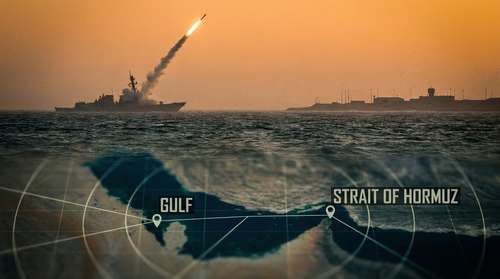
The most immediate global fallout from the conflict remains the Strait of Hormuz energy crisis. In retaliation to the initial late-February strikes, Tehran effectively blocked the critical shipping lane, choking off approximately 20 percent of the world’s seaborne oil supply. The resulting supply constraints have caused immense financial pain, manifesting in the latest 2026 US inflation news, which shows consumer prices rising aggressively on the back of skyrocketing domestic fuel costs.
Despite the ceasefire agreement mandating the immediate, safe reopening of the waterway, marine transit data reveals a different reality. Only about a dozen ships passed through the strait in the first 48 hours of the truce—a mere fraction of the normal pre-war traffic. Furthermore, Iranian military-linked agencies have threatened to impose new maritime tolls or restrict transit altogether in response to Israel’s ongoing military actions.
Trump Iran Strategy Meets Economic Reality
The compounding economic turbulence represents a significant domestic challenge for the White House. The Trump Iran strategy initially leaned heavily on maximum military pressure, culminating in the president’s stark public warning earlier this week that "a whole civilization will die" if Tehran failed to safely reopen the shipping strait. Now, with the administration attempting to pivot toward a negotiated settlement to stabilize the economy, the president's frustration is spilling out into public view.
In a late-night Truth Social post on Thursday, Trump accused Iran of doing a "very poor job, dishonorable some would say," of allowing oil to flow, directly stating, "That is not the agreement we have!". The administration now faces the difficult balancing act of enforcing its rigid disarmament demands while preventing a complete collapse of the global energy sector.
As Friday bleeds into the weekend, the security perimeter around the luxury hotel hosting the delegates in Islamabad grows tighter. With neither side agreeing on the fundamental terms of the existing ceasefire, the upcoming negotiations are poised to be a volatile test of international diplomacy. Whether this fragile pause translates into a durable peace—or merely serves as a tactical break before a wider, more devastating regional war—will be decided in the coming 48 hours.