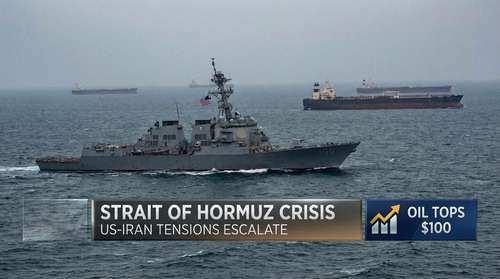
In a drastic escalation that has sent shockwaves through global energy markets, a Trump naval blockade of the Strait of Hormuz is officially underway. The extraordinary military maneuver was ordered following a dramatic weekend of failed diplomatic negotiations in Pakistan. With the US Iran peace talks deadlocked, the resulting geopolitical fallout has immediately pushed oil prices $100 a barrel, reigniting fears of a prolonged global economic crisis and a broader war.
The Iran Ceasefire Collapse and Failed Islamabad Talks
The catalyst for this unprecedented military maneuver was the sudden breakdown of high-stakes negotiations in Islamabad over the weekend of April 11-12. Led by U.S. Vice President JD Vance and Iranian officials, including parliamentary speaker Mohammad Bagher Ghalibaf, the marathon 21-hour discussions failed to produce a lasting peace agreement. The primary sticking point remained Iran's nuclear program and its highly enriched uranium stockpile, which Washington demanded be permanently dismantled or surrendered to international oversight.
With the Iran ceasefire collapse now a grim reality, a fragile two-week truce brokered earlier in April by Pakistani mediators is hanging by a thread. Vice President Vance noted that while the United States remains open to diplomacy, Iran's refusal to concede its nuclear ambitions and its continued demands for transit tolls forced the administration's hand. Analysts warn that the collapse of these US Iran peace talks effectively closes the immediate diplomatic window, paving the way for severe Middle East military escalation.
Executing the Trump Naval Blockade
Taking to his Truth Social platform, President Trump announced that the U.S. Navy would begin blockading any ships trying to enter or leave the Strait of Hormuz that are engaging with Iranian ports or paying transit tolls to Tehran. He characterized Iran's taxation of the vital waterway as illegal extortion, asserting a rigid Donald Trump foreign policy stance meant to maximize economic pressure.
The Mechanics of the Embargo
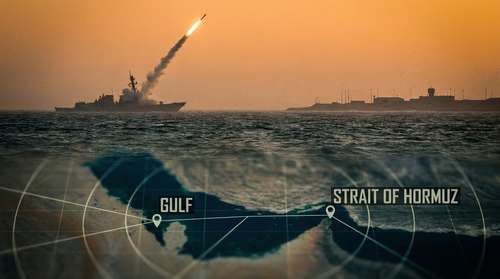
According to CENTCOM, the blockade is being enforced impartially against vessels of all nations entering or departing Iranian coastal areas, including those in the Arabian Gulf and the Gulf of Oman. However, the U.S. military clarified that it will not impede the freedom of navigation for commercial vessels transiting the strait to and from non-Iranian ports. U.S. forces have also been instructed to systematically destroy naval mines laid by Iran and interdict any vessel that has paid a toll to the regime. This presents a massive compliance challenge for global shipping companies, many of which had temporarily paid the tolls to safely exit the heavily contested waters.
Global Markets Panic: Oil Prices $100 a Barrel
The financial response to the Strait of Hormuz crisis was instantaneous and severe. Energy markets, already volatile from weeks of conflict, saw prices shatter the psychological threshold of oil prices $100 a barrel within hours of the blockade's announcement. Brent crude futures surged above $103 per barrel, rising nearly 9% in early Asian trading, while U.S. West Texas Intermediate (WTI) jumped past $104.
The economic implications of blockading Iranian oil exports are staggering. Experts estimate that approximately 7 million barrels of crude oil and 4 million barrels of refined products are currently trapped in the Gulf. Because the Strait of Hormuz historically facilitates roughly 20% of the world's global oil supply, an extended closure could plunge the global economy into a recession. Beyond energy, the shipping chokepoint threatens vital international supply chains for commodities like aluminum, helium, and agricultural fertilizers.
Political and Global Reactions to the Blockade
The swift implementation of the embargo has drawn mixed reactions internationally. While domestic supporters praise the aggressive action as a necessary step to secure international waters, critics argue that the abrupt end to diplomatic efforts risks pulling the United States into an unwinnable, protracted conflict. The Donald Trump foreign policy doctrine of maximum pressure is now being tested on a global stage, with European allies scrambling to assess the fallout on their own energy security.
Furthermore, China and Pakistan, who were deeply involved in brokering the initial five-point peace initiative and the temporary ceasefire, find their diplomatic efforts entirely sidelined. Chinese vessels, which frequently dock at Iranian ports, now face the unprecedented risk of interception by the U.S. Navy, raising the terrifying specter of a secondary geopolitical clash between Washington and Beijing.
What is Next for Middle East Military Escalation?
The Trump naval blockade represents one of the most perilous moments in modern naval history. The narrow geography of the Strait of Hormuz forces American warships into confined maritime corridors, potentially exposing them to Iranian asymmetric warfare tactics, including shore-based missiles, swarming attack drones, and naval mines.
In response to the U.S. embargo, Iran's military and the Islamic Revolutionary Guard Corps (IRGC) have issued stern warnings. Tehran stated that if its own ports are obstructed, it will ensure that no port in the entire Gulf region remains safe, denouncing the U.S. actions as maritime piracy. As warships take their positions and commercial tankers turn back, the world watches nervously to see if the Iran ceasefire collapse will eventually force Tehran back to the negotiating table, or ignite a devastating regional war.