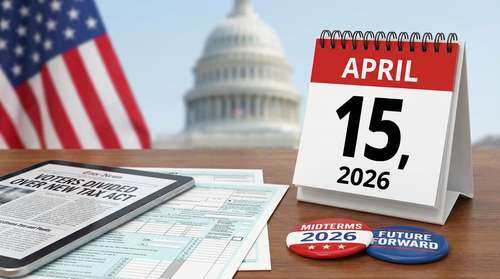
Millions of Americans are rushing to finalize their paperwork today as the IRS filing deadline 2026 officially arrives. But this year's ritual carries far more weight than usual. Today marks the very first time taxpayers are confronting the realities of the sweeping One Big Beautiful Bill Act (OBBBA), signed into law last July. While the White House spent the weekend touting higher refunds for working families, a glaring disconnect has emerged. Fresh polling released just yesterday reveals that an overwhelming 70% of voters still feel their tax burden is too high. This stark polarization over the new tax code is setting the stage for a fiery showdown ahead of the 2026 Midterm Elections.
Unpacking the First Returns Under the OBBB Act
The passage of the OBBBA was hailed by proponents as a monumental shift in American economic policy. Often categorized as the cornerstone of Trump tax reform 2026, the legislation permanently locked in the 2017 Tax Cuts and Jobs Act provisions while adding targeted populist measures. For many service industry workers, the highly publicized No Tax on Tips deduction—which allows up to $25,000 in tax-free tip income for eligible occupations—has been a welcome relief at the filing desk. Similarly, the new $12,500 deduction for overtime pay directly targets blue-collar demographics previously squeezed by stagnant wage growth.
Taxpayers in high-tax states are also navigating the expanded $40,000 cap on State and Local Tax (SALT) deductions, a significant jump from the previous $10,000 limit that caused immense friction during the previous decade. Yet, despite these structural changes designed to leave more money in workers' pockets, the broader macroeconomic picture complicates how voters actually perceive these benefits when calculating their bottom line.
A Closer Look at Tax Refund Trends 2026
Early tax refund trends 2026 indicate a slight bump in average returns for specific middle-income brackets. The administration recently highlighted internal data pointing to an increase in the average refund size for working-class households. Much of this is driven by newly implemented deductions like the vehicle loan interest write-off, which allows buyers to deduct up to $10,000 in interest for cars assembled in the U.S.. However, for high earners navigating the complex phase-outs tied to these new deductions, the returns have been unexpectedly flat. The promised windfall has not materialized equally across all tax brackets.
Why 70% of Voters Remain Frustrated
If the numbers look better on paper for certain demographics, why are so many Americans angry? The answer lies in the persistent gap between federal tax policy and daily cost-of-living realities. According to Monday's definitive polling data, seven in ten Americans believe they are still paying too much to the federal government. The psychological weight of inflation has heavily muted the celebratory tone the administration hoped to establish this week.
Taxpayers view their financial health holistically. Even with new incentives like the Trump Accounts—which offer up to $5,000 in tax-free growth contributions for children under 18—the sheer cost of groceries, housing, and healthcare overshadows the marginal tax savings. Voters expected a dramatic, life-altering windfall. Instead, many found that their slightly larger refund barely covers a single month of inflated utility and insurance bills.
The House GOP Midterm Strategy
With control of Congress hanging in the balance, Republicans are aggressively leaning into the OBBBA as their primary legislative achievement. The House GOP midterm strategy relies almost entirely on framing the current tax code as a massive rescue operation for the working class. Lawmakers spent the last 48 hours blanketing morning news shows, pointing to the elimination of taxes on tips and overtime as irrefutable proof of their commitment to family-centric economics.
Strategists believe that by hammering home the practical benefits of these targeted cuts, they can secure pivotal swing districts in November. Yet, they face a fiercely coordinated opposition. Democratic challengers have rapidly mobilized around the deficit impact of the bill, arguing that the long-term structural costs and national debt accumulation far outweigh the immediate benefits handed to everyday Americans. This intense tug-of-war over economic messaging will undoubtedly dominate campaign ads through the fall.
Navigating Today's IRS Filing Deadline 2026
Politics aside, the immediate focus for millions of procrastinators is simply getting across the finish line. Tax Day 2026 is officially here, and the cutoff hits precisely at 11:59 p.m. tonight in your local time zone. Tax professionals are warning clients not to let the noise of the 2026 Midterm Elections distract them from strict IRS compliance. Missing the April 15 cutoff without filing Form 4868 for an automatic extension to October 15 can trigger immediate late fees and accrued interest.
For those submitting their paperwork today, financial experts recommend double-checking eligibility for the newly implemented OBBBA deductions. Many tax software platforms updated their systems at the last minute to accommodate the complex MAGI phase-outs tied to the new tip and overtime exemptions. Whether you view this year's tax season as a triumphant realization of tax reform or a frustrating reminder of financial strain, one thing is certain: the financial data submitted tonight will irrevocably shape the political rhetoric for the rest of the year.