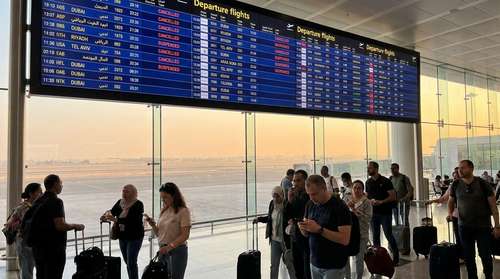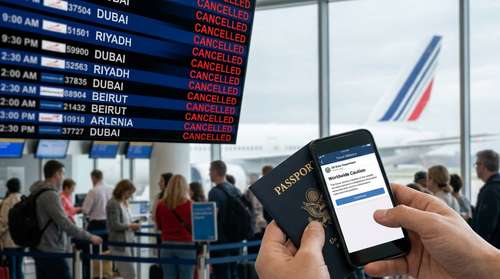
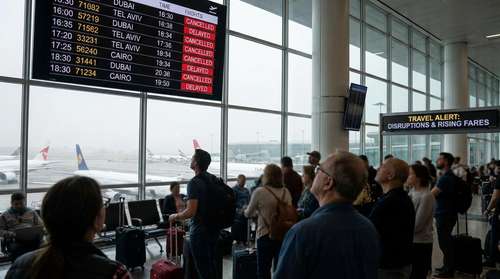
The global travel industry is facing unprecedented pressure as geopolitical tensions escalate into a full-blown Middle East travel crisis. What began in late February 2026 has rapidly deteriorated, sparking a cascade of international flight cancellations and forcing widespread airspace closures. According to aviation analytics firm Cirium, over 46,000 flights have been scrapped since the conflict intensified on February 28. With crucial transit hubs paralyzed, passengers are facing surging airfare prices and forced detours just ahead of the high-traffic spring break season.
Global Aviation Disruption and Mass Route Closures
The Middle East serves as a vital artery for international transit, ordinarily handling approximately 40 million passengers annually traveling between Asia, Europe, and Africa. That critical corridor has now been effectively severed. Data from OAG Aviation indicates that flight suspensions by regional heavyweights like Emirates, Qatar Airways, and Etihad have erased more than 10% of daily international aviation capacity.
Airports in Dubai, Abu Dhabi, and Doha—which typically manage upwards of 526,000 passengers a day—have been hit with severe operational standstills. This drop in available seat kilometers represents the most severe global aviation disruption since the peak of the COVID-19 pandemic. Carriers worldwide, including Lufthansa, KLM, Air Canada, and Delta Air Lines, have aggressively suspended operations in the region. Aircraft are now forced to reroute via longer, alternative paths, which adds hours to journey times and drastically increases fuel consumption.
Surging Airfare Prices and New Fuel Levies
For consumers, the immediate consequence of this capacity crunch is a sharp increase in ticket costs. An analysis of Google Flights data from mid-March reveals that economy-class fares on major routes, such as Sydney to London, have surged by more than 80% in just two weeks. Some travelers have encountered price hikes of up to 900% for one-way tickets out of Europe to Asia as they attempt to bypass the conflict zone. In extreme cases, a round-trip business-class seat from Sydney to London on Cathay Pacific has priced as high as $28,000 due to a severe supply-and-demand imbalance.
Compounding the problem is the highly volatile oil market. With jet fuel prices climbing by more than 50% since late February, carriers are passing the financial burden directly to passengers. We are seeing a wave of airline fuel surcharges 2026 rolling out across the industry. Air India, for instance, has already implemented domestic levies and plans to add up to $200 in surcharges for North American routes starting March 18. Similar pricing adjustments have been formally announced by Qantas, Air New Zealand, and Hong Kong Airlines.
WTTC Tourism Report Reveals Deep Economic Scars
The financial strain extends far beyond the airlines. According to a grim WTTC tourism report, the Middle East is losing approximately $600 million every single day in international visitor spending. Gloria Guevara, president of the World Travel and Tourism Council, emphasized that even brief periods of instability can inflict severe economic damage on regional destinations and hospitality workers.
The collapse in traveler confidence has been particularly devastating for local economies that rely heavily on luxury tourism. In Dubai alone, over 80,000 short-term rental bookings on platforms like Airbnb and Vrbo were canceled in a single week. Physical risks have also rattled tourists, with reports of intercepted missile debris falling near luxury properties like the Burj Al Arab and Fairmont The Palm. Prior to this unrest, the WTTC had forecasted that foreign tourists would inject over $207 billion into the Middle Eastern economy this year—a projection that is now rapidly unraveling.
Navigating Travel Alerts March 2026
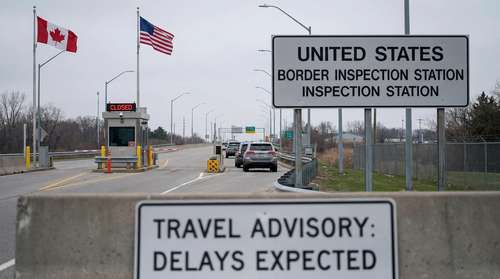
As the situation remains highly volatile, government agencies have issued urgent travel alerts March 2026, advising citizens to reconsider transit through affected areas. If you have upcoming international flights, experts recommend maintaining direct contact with your carrier and closely monitoring airspace reopening timelines.
Strategies for Affected Passengers
For those determined to travel, flexibility is essential. Consider the following strategies to mitigate the impact of the ongoing crisis:
- Seek alternative transit hubs: Look for routing through Southeast Asia or European hubs that do not rely on Gulf airspace, though be prepared for premium pricing.
- Lock in fares early: With airline fuel surcharges 2026 expected to climb further as crude oil markets react, booking confirmed tickets sooner rather than later can protect you from subsequent price hikes.
- Monitor official channels: Stay updated with real-time aviation alerts and regional travel advisories to avoid last-minute terminal chaos.
While history suggests the travel sector can recover rapidly once stability returns, the current reality requires passengers to navigate a complex maze of inflated costs and operational hurdles. As airlines continue to adapt their global networks, the shockwaves of this geopolitical event will likely reshape international travel logistics well into the summer season.