As the global community watches closely, the definitive Iran-US war update 2026 hinges on a rapidly closing window for diplomacy. Tensions have reached a boiling point today, April 21, 2026, marking Iran war day 53 with no clear end in sight. The Trump administration's fragile ceasefire agreement is officially expiring, and international diplomatic efforts remain completely stalled. Meanwhile, the domestic fallout has reached the very heart of Washington, D.C., where a wave of Capitol war protest arrests dominated morning headlines. With veterans demonstrating against the prolonged conflict and upcoming elections casting a long shadow, the geopolitical and domestic landscape remains highly volatile.
Iran War Day 53: The Trump Iran Ceasefire Deadline Approaches
The conflict, which escalated dramatically in late February, has now entered a critical and uncertain phase. The highly anticipated Trump Iran ceasefire deadline officially arrives today, putting immense pressure on both military leaders and diplomats. Over the last few weeks, this temporary pause in hostilities has barely held, marred by maritime standoffs in the Strait of Hormuz and mutual accusations of bad faith.
President Trump has maintained a hardline stance, warning that any failure to reach a lasting agreement could result in massive infrastructure strikes against Tehran. On the ground, the military buildup continues unabated. Global markets are reacting nervously to the potential of a massive disruption in oil supplies, as regional actors caution against further escalation. Without an immediate extension of the ceasefire, defense analysts predict a swift return to the heavy aerial bombardments and naval skirmishes that defined the first month of the war.
Islamabad Peace Talks Latest: Diplomacy on the Brink
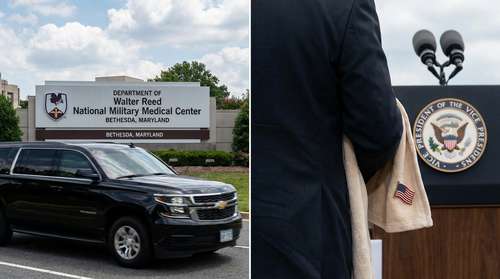
The international community had pinned its hopes on the recent diplomatic summit moderated by Pakistan. However, the Islamabad peace talks latest developments reveal a severe collapse in negotiations. The initial summit held on April 11-12, led by U.S. Vice President JD Vance and Iranian Parliament Speaker Mohammad Bagher Ghalibaf, ended abruptly after 21 hours of intense, face-to-face negotiations.
Iran officially pulled out of the follow-up rounds this week, citing insurmountable disagreements over comprehensive sanctions relief, frozen assets, and maritime control of the Persian Gulf. Iranian Foreign Ministry officials accused the U.S. delegation of demanding "maximalist" concessions and constantly shifting goalposts. With Pakistani mediators scrambling to salvage the 10-point diplomatic framework, the odds of extending the current pause in fighting have plummeted. This diplomatic vacuum has only intensified anxieties back in the United States, leaving the door open for renewed hostilities.
US Veterans Capitol Protest Sparks Wave of Arrests
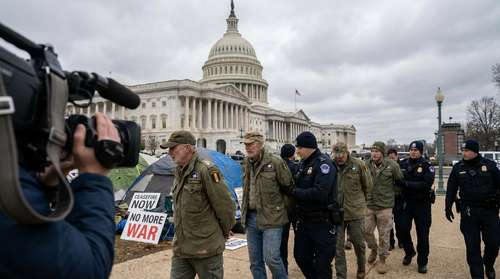
Frustration over the gridlocked peace talks has spilled over into the streets of Washington, D.C. Early this morning, a highly organized US veterans Capitol protest resulted in dozens of detentions inside the Cannon House Office Building. Military veterans, many wearing their service medals and carrying banners, staged a peaceful but disruptive sit-in to demand an immediate end to the conflict and the safe return of deployed servicemembers.
The ensuing Capitol war protest arrests have sent shockwaves through the political establishment. Capitol Police were forced to physically remove demonstrators who blocked the hallways and chanted anti-war slogans. The optics of American veterans being handcuffed while protesting a grueling foreign war have immediately become a rallying cry for anti-war advocacy groups nationwide. These powerful images are already shifting public sentiment, putting intense pressure on lawmakers who previously supported the military intervention to reconsider their stances.
Assessing the 2026 Midterm Election Impact
The convergence of a stalled war, expiring ceasefires, and domestic unrest is creating a political powder keg. The 2026 midterm election impact of this 53-day conflict cannot be overstated. Initially, the military campaign saw a brief surge of bipartisan backing, but prolonged economic disruptions—including skyrocketing gas prices, delayed shipments, and supply chain bottlenecks—have severely eroded that support.
Political strategists note that the images of veterans being hauled out of the Capitol will likely be weaponized by opposition campaigns across the country. Voters are increasingly weary of the financial and human costs associated with another overseas campaign. As candidates finalize their platforms for the upcoming primaries, their stance on the war is proving to be the ultimate litmus test. If the administration fails to secure a diplomatic breakthrough in Islamabad or prevent a wider regional war, the incumbent party could face a massive and historic backlash at the ballot box this November.