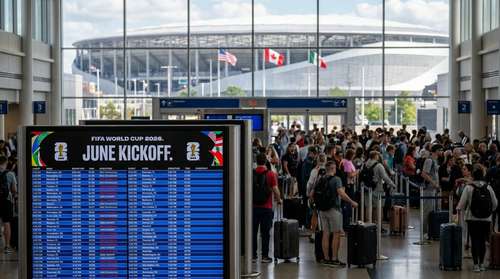
As the countdown to the June 11 kickoff enters its final weeks, the hospitality landscape across North America is experiencing an unprecedented shockwave. Planning for FIFA World Cup 2026 travel has officially reached a fever pitch. Recent data reveals that travel search volume for the 16 host cities has spiked by a staggering 60% in the last few days alone. What began as a cautious booking season has suddenly transformed into a frantic dash for accommodations, setting the stage for what may become the most lucrative sporting event in North American history.
With 48 national teams preparing to play a record 104 matches across the United States, Canada, and Mexico, the sheer scale of the logistical challenge is finally manifesting in consumer markets.
The 2026 World Cup Flight Surge and Changing Tourism Demographics
When tournament organizers initially mapped out the summer of 2026, they predicted a massive influx of overseas visitors. However, the reality of North America tourism trends 2026 has painted a slightly different, albeit equally intense, picture. Tourism boards and hoteliers are reporting highly "fragmented" international demand, dampened in part by global economic headwinds, rising baseline costs, and complex visa processes for travelers arriving from certain regions.
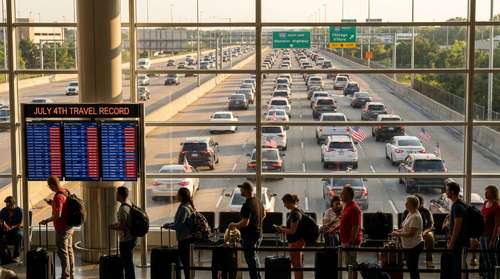
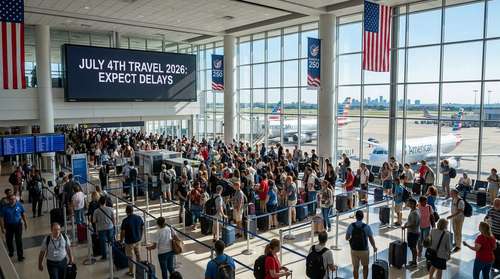
But nature—and the travel industry—abhors a vacuum. A massive wave of domestic fans has suddenly swept in to fill that void. Emboldened by late ticket releases and the growing realization that the biggest tournament in history is practically in their backyard, U.S. and Canadian soccer enthusiasts are mobilizing rapidly. This late-breaking domestic shift has triggered a massive 2026 World Cup flight surge, with domestic carriers scrambling to add capacity along major transit routes heading into key metropolitan hubs like Atlanta, Miami, and Los Angeles.
Record Hikes: World Cup 2026 Hotel Prices Reach New Peaks
The sheer volume of this domestic travel wave has created critical supply shortages, completely disrupting traditional accommodation models. When looking at World Cup 2026 hotel prices, the sticker shock is very real. Revenue managers have abandoned typical summer pricing algorithms in favor of aggressive rate anchoring—keeping early prices exceptionally high to prevent low-yield sell-outs before game day.
Texas markets, in particular, are bearing the brunt of this late-stage compression. With Dallas hosting nine matches at AT&T Stadium and Houston welcoming seven at NRG Stadium, hotel rates in these two mega-hubs have climbed over 50% compared to the same period last year. While cities like Vancouver still hold the crown for the tournament's costliest overnight stays—with peak game day prices reportedly hitting an average of $1,455 per night—the year-over-year rate acceleration in the American South is unmatched.
Even markets previously considered stable are feeling the pinch. Boston and Philadelphia, which reported softer numbers earlier in the spring, are suddenly experiencing drastic tightening as domestic travelers execute their final plans.
Tightening World Cup Host City Bookings Prompt Creative Solutions
As inventory vanishes from digital shelves, World Cup host city bookings are becoming increasingly difficult to secure for the average fan. Hoteliers who previously reported lower-than-expected early forecasts are now seeing their remaining room blocks evaporate in real-time. For fans who haven't yet secured a place to sleep, the traditional hotel route is quickly becoming an exclusive luxury reserved for corporate sponsors and elite travelers.
This tightening market has forced everyday fans to seek out alternative lodging. Short-term rentals on digital platforms are experiencing a simultaneous boom, but an even more fascinating trend has emerged in the outdoor hospitality sector. Recent hospitality data indicates that RV park and campground availability within 50 miles of U.S. host stadiums has more than tripled year-over-year. Astute fans are securing RV spots in Dallas and Kansas City for a fraction of hotel costs—sometimes averaging just $56 to $68 a night—turning parking lots and suburban campgrounds into makeshift festival villages.
The Essential Soccer Fan Travel Guide for the Final Weeks
If you are still finalizing your itinerary for the mid-June tournament window, agility is your best asset. The ultimate soccer fan travel guide for this summer relies on a willingness to expand your search radius. Keep these last-minute strategies in mind:
- Look Beyond the Core: Instead of fighting for an overpriced downtown suite, consider emerging suburban markets or adjacent transit hubs where rates haven't caught up to the urban core.
- Monitor Block Releases: As national federations finalize their base camps, unused contingency rooms are periodically dumped back into the public market by regional host committees.
- Beware of Scams: With prices this high, fraudulent third-party listings are inevitable. Stick to official channels and reputable travel agencies.
The summer of soccer is officially underway, bringing a record-breaking price tag and a uniquely North American flavor to the beautiful game. Whether you are flying into a major hub or driving an RV across state lines, the energy—and the cost—of the 2026 tournament will be historic.