Global energy markets are in turmoil following a major geopolitical escalation in the Middle East. The Trump Iran ship seizure 2026 has officially dismantled a delicate, weeks-old diplomatic pause, plunging the region back into profound uncertainty. Early Monday, April 20, the White House confirmed that American naval forces successfully intercepted and secured an Iranian-flagged container vessel. This decisive maneuver immediately triggered a massive global oil price surge April 2026, sending shockwaves through international financial hubs and raising urgent fears of an extended military conflict in the world's most critical energy corridor.
Anatomy of the US Navy Gulf of Oman Incident
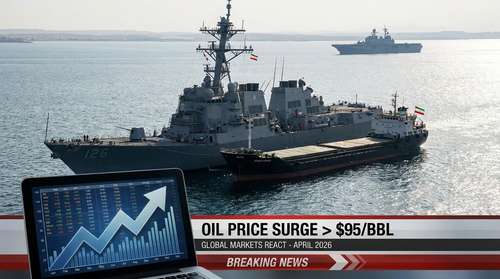
The fast-moving situation developed late Sunday evening before being formally acknowledged by Washington during a pre-dawn press briefing on Monday. According to preliminary defense statements, the US Navy Gulf of Oman incident involved a highly coordinated boarding operation by elite American maritime security forces. Defense officials assert the Iranian-flagged commercial vessel was operating in direct violation of international sanctions. While the specific inventory of the ship's cargo remains classified, military analysts suspect the interception targeted advanced weapons components or illicitly traded resources.
President Trump aggressively defended the maritime intervention, framing the operation as a non-negotiable measure to protect allied merchant fleets and project American deterrence abroad. However, this definitive action represents a severe Trump Iran ceasefire breach. Just weeks prior, complex diplomatic backchannels had successfully brokered a temporary pause in regional hostilities, allowing a brief resumption of normalized maritime traffic. That fragile diplomatic progress has now completely collapsed, replaced by a tense military standoff that threatens to draw neighboring powers into the fray.
The Strait of Hormuz Naval Blockade Paralyzes Trade
The immediate tactical fallout from the weekend's seizure is the rapid expansion of the Strait of Hormuz naval blockade. As of Monday morning, the strategic chokepoint—which historically facilitates the transit of roughly one-fifth of global daily oil consumption—is virtually closed to international commercial shipping. Commercial vessel operators are actively rerouting their tanker fleets, citing imminent fears of retaliatory seizures by Iran's Islamic Revolutionary Guard Corps (IRGC).
War risk insurance premiums for vessels operating anywhere near the Persian Gulf have skyrocketed to unprecedented, prohibitive levels. The tightening of this naval blockade essentially weaponizes maritime logistics, creating a massive bottleneck that threatens to starve global markets of essential energy supplies. United States fleet commanders in the region have reportedly been placed on maximum alert, preparing for potential asymmetric naval warfare, electronic jamming, or drone harassment from Iranian fast-attack craft maneuvering near the strait.
US-Iran Military Escalation News Sends Markets Reeling
The economic reaction to the latest US-Iran military escalation news was instantaneous and severe. Asian markets were the first to absorb the shock, with major indices experiencing immediate sell-offs. In the commodities sector, Brent Crude and West Texas Intermediate (WTI) both spiked violently at the market open. WTI crude is currently approaching $96 per barrel, representing a staggering jump of over 7% in just a few hours of aggressive trading.
Industry analysts warn that if the strait remains impassable for more than 48 hours, crude prices could easily eclipse the dreaded $100 threshold. Such a sustained price shock would severely complicate ongoing central bank efforts to contain global inflation, potentially forcing sudden shifts in monetary policy across Europe and North America.
Analyzing the Energy Crisis Political Impact 2026
Beyond the immediate military maneuvers and market chaos, the energy crisis political impact 2026 is already reshaping the domestic landscape. The sudden, violent spike in fuel prices presents a highly complex challenge for the Trump administration. While projecting absolute military dominance and enforcing strict maritime sanctions appeals to defense hardliners demanding a tough stance on Tehran, the resulting financial pain at the gas pump risks alienating American consumers just as the critical summer driving season approaches.
International allies are also expressing deep anxiety over the deteriorating security environment. European nations, still navigating the fragile restructuring of their own complex energy dependencies, are urgently calling for immediate diplomatic de-escalation. Yet, the White House remains firmly resolute. Administration officials argue that conceding the Gulf of Oman to unmonitored Iranian shipping poses a far greater long-term national security threat than temporary market volatility.
As the week unfolds, all eyes remain fixed on the volatile waters of the Middle East. Whether this bold maritime interception ultimately forces Tehran back to the negotiating table or acts as the catalyst for a sustained, catastrophic regional conflict remains the most pressing question facing the global economy today.